
TL;DR

Get cleaning gear delivered free — and shop member deals
- Fast, free delivery on millions of items
- Access to Prime Big Deal Days deals on October 6–7
- Prime Video, Amazon Music and more included
A Matter Alpha writer reports that two years of adding Matter-compatible devices to their home helped address five recurring household issues: leak alerts, lights left on, ceiling fans, humidity and uneven room temperatures. The examples are a personal account, not a controlled test; the writer says the setup also requires sensors, batteries and patience.
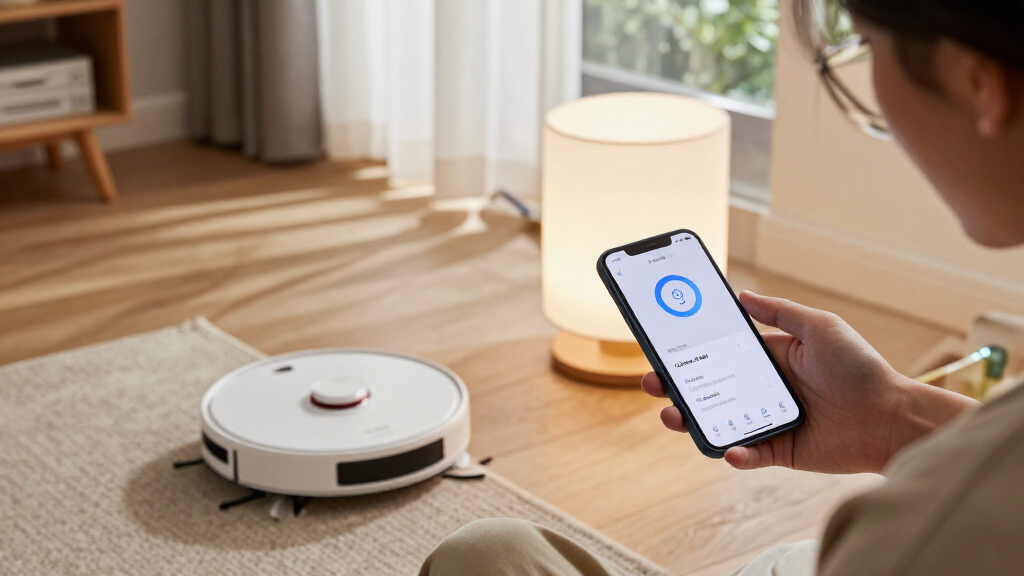
Matter Alpha has published a first-person account of how its writer used Matter-compatible devices and home automations to address five recurring problems: detecting leaks, switching off lights, operating ceiling fans, tracking humidity and spotting room-to-room temperature differences. The examples describe one household’s experience, rather than independently tested results, and show how connected sensors can extend a smart-home setup beyond voice-controlled lights.
For leak detection, the writer describes placing IKEA’s KLIPPBOK water leak sensor near a potential source of water. The sensor sounds an alarm when it detects water. The writer says connecting it to a smart-home platform through Matter, using a QR code, also enables phone notifications while away from home. The account does not say how quickly a notification arrives or describe a leak caught in practice.
For lighting, the writer set up a Homey Pro automation to switch off selected lights together, including while away from home. A presence sensor also turns off a pantry light when the space is unoccupied. In the same home, presence sensors control ceiling fans, turning them on or off based on whether someone is in a room. These examples rely on configured automations and compatible devices, not on Matter acting as an automatic household manager by itself.
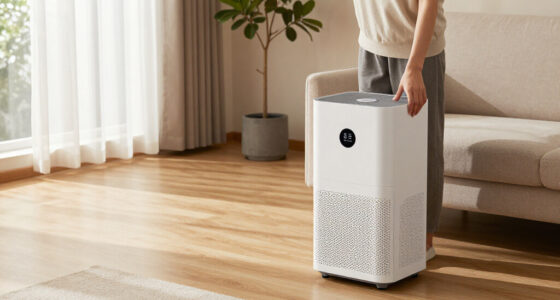
The remaining uses concern indoor conditions. The writer uses humidity sensors, including the SwitchBot Meter Plus and IKEA ALPSTUGA, to track moisture levels and says a compatible humidifier can respond to changes. Temperature sensors in different rooms provide readings that the hallway thermostat cannot, according to the account. Some sensors and platforms can also keep historical data. The report does not provide measured energy savings, costs or performance comparisons.
Where Sensors Add Household Value
The examples show a practical role for Matter: connecting devices from different parts of a smart home so sensors can trigger notifications or automations. A leak alert may give a resident a chance to respond before returning home, while presence-based lighting and fan controls can reduce repeated manual adjustments. Room-level temperature readings can also reveal conditions that a single hallway thermostat does not show.
These are potential conveniences, not proof of a financial return or prevention of damage. The report is useful as a set of concrete use cases, but whether they work well for another household depends on its devices, platform, network, placement and automation settings. The writer also flags the cost of buying several sensors and the recurring task of replacing batteries.
Matter-compatible water leak sensor
As an affiliate, we earn on qualifying purchases.
As an affiliate, we earn on qualifying purchases.
A Personal Matter Setup
Matter is a smart-home connectivity standard intended to help compatible devices work across supported platforms. In this account, the writer uses a Homey Pro to connect devices and configure automations. The report’s examples vary: the leak sensor can sound locally without Matter, while platform integration adds remote notifications; other uses depend on sensors, compatible devices and rules set up in an app.
The article describes the writer’s experience over roughly two years, but supplies no publication date, device-by-device compatibility record or test methodology. It also mentions possible data-history features and a Matter-compatible humidifier without identifying every product or platform combination. Readers should treat the piece as a personal report, not a guarantee that every listed device will work with every Matter-enabled system.
““I simply scan the QR code on the back of the device using my smart home platform app of choice.””
— Matter Alpha writer
Costs and Compatibility Still Vary
The report does not state how many devices the writer installed, the total cost, battery life, notification reliability or the amount of time saved. It provides no independent measurements of energy use, indoor humidity improvements or temperature balance. The account also does not name every device and platform pairing, so it cannot establish that all the described automations work across Matter products generally.
It remains unclear whether the writer encountered setup failures or network interruptions, and whether the humidity and temperature automations produced measurable changes. The report’s examples are anecdotal; results in another home may differ according to sensor placement, device support and the household’s chosen platform.
Check Device Support Before Buying
The report does not announce a product launch, trial or follow-up test. For readers considering similar setups, the immediate next step is to check that each sensor, hub and controlled device supports the needed Matter functions on the chosen platform, then confirm which automations are available. The writer’s account suggests starting with a specific recurring problem, rather than buying multiple sensors before deciding what they should do.
Any broader assessment would require additional reporting on price, installation and long-term reliability, along with measured results from more households. Until then, the five cases offer examples of possible uses, while the actual benefit and maintenance burden remain household-specific.
Key Questions
What five problems did the Matter devices address?
The writer describes leak alerts, lights left on, forgotten ceiling fans, changing humidity and temperature differences between rooms.
Does the IKEA leak sensor need Matter to sound an alarm?
According to the writer, the KLIPPBOK chimes when it detects water without Matter. Matter integration adds the option of receiving a phone notification through a connected smart-home platform.
Did the report show that Matter devices save money?
No. The article gives personal examples but provides no measured energy savings, total setup cost or financial return.
Will these automations work with every Matter device?
The report does not establish universal compatibility. Automations depend on supported devices, the smart-home platform and how the system is configured.
Source: rss
Fall Picks
fall essentials
As an affiliate, we earn on qualifying purchases.