
TL;DR

Get cleaning gear delivered free with Prime
- Fast, free delivery on millions of items
- Prime Video, Amazon Music and more included
- Member-only deals all year
A Livingetc interior stylist says two lamps are a useful starting point for most living rooms, but there is no fixed number. The recommendation is to add lamps according to room layout and activities, creating separate pools of light for reading, relaxing and entertaining.
Livingetc has published advice from a stylist who recommends starting with two lamps in most living rooms, then adjusting the number to suit the space and how it is used. The guidance rejects a fixed lamp count, emphasizing layered lighting that can make a room comfortable without relying on its overhead light.
The stylist says two lamps are a practical starting point, not a requirement. In a smaller living room with a ceiling light, one table lamp and one floor lamp may be enough. A larger or open-plan room, or one with separate areas for television and reading, may benefit from three or more. The recommendation is to choose lights that serve different purposes rather than add lamps simply to reach a number.
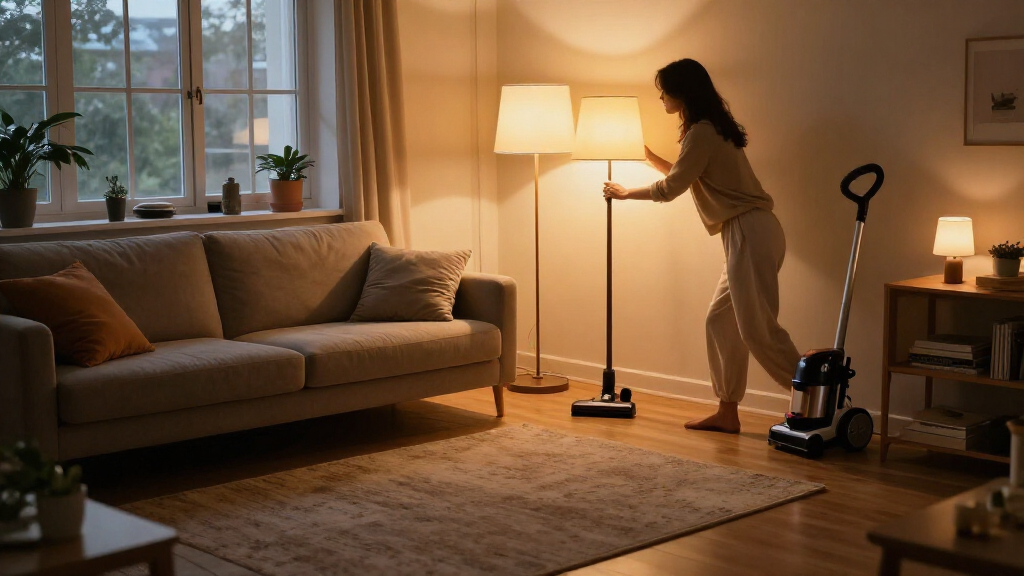
Placement should follow the room’s layout and daily routines. A table lamp near a sofa can provide softer evening light; a floor lamp beside an armchair can support reading; and a lamp on a console or sideboard can brighten a darker wall or highlight objects. Spreading light around the room and varying its height can make the overall scheme feel more balanced.
The report also advises considering a lamp’s function, scale and compatibility before buying. A shaded table lamp might provide ambient light, while an adjustable floor lamp can direct light onto a reading spot. Buyers are advised to check height, light reach, bulb type and dimmer compatibility, as well as how each lamp’s shape and materials fit with existing furnishings.
Lighting That Fits Daily Routines
The advice reframes lamp shopping as a question of comfort and function, rather than a decorating formula. Choosing lights for particular corners can make a living room work for different activities, including reading, watching television and hosting guests, while allowing occupants to switch off the main ceiling light.
It also offers a practical way to avoid buying unnecessary fixtures. A lamp count alone does not show whether a room has enough useful light: placement and purpose matter. For renters or people working with existing wiring, plug-in table and floor lamps can add separate light sources without requiring a renovation.
adjustable floor lamp for living room reading
As an affiliate, we earn on qualifying purchases.
As an affiliate, we earn on qualifying purchases.
From Room Plan to Lamp Placement
The Livingetc report presents lighting as part of a room’s design, not just a final decorative purchase. It cites Emma Deterding, founder and creative director of Kelling Designs and KDLoves, who advises planning around how people will use the space, including whether it needs to accommodate reading or a desk area. The report says planning early can help with decisions about outlets and switches during a renovation.
It also quotes Suzanne Duin, founder of lighting brand Maison Maison, on combining ambient, task and accent lighting. These describe different roles: general softer illumination, focused light for an activity, and light used to draw attention to a feature. The source offers this framework as a way to decide what a lamp should contribute, rather than treating a particular number as a design rule.
““Two is my comfortable starting point for most living rooms.””
— Livingetc stylist
No Fixed Count or Measurement
The report does not set a standard number of lamps for a particular room size, nor does it provide measurements for brightness, spacing or lamp height. Its guidance is stylist advice, not a technical lighting standard. The appropriate arrangement depends on the room’s layout, existing ceiling light, available outlets and the activities taking place there.
The source also does not identify a single lamp combination that will suit every home. Readers would need to assess their own furniture arrangement and lighting needs; the advice to start with two should not be read as a requirement to purchase two new lamps.
Plan Each Light Around Its Use
For readers applying the advice, the next step is to identify the places where light is needed and decide what each lamp should do. That may mean testing a lamp beside a sofa, adding a reading light near an armchair, or using a console lamp to brighten a darker part of the room. Before purchasing, check the fixture’s dimensions and bulb or dimmer compatibility.
People planning a renovation can factor outlets and switches into the room design, as Deterding advises. Those using the existing setup can consider plug-in lamps instead. The article provides no follow-up announcement or deadline; its guidance leaves the final arrangement to each room and household.
Key Questions
How many lamps does a living room need?
The Livingetc stylist recommends starting with two in most living rooms. The number can be lower or higher depending on the room’s size, layout, ceiling light and activities.
Can one table lamp and one floor lamp be enough?
Yes. The stylist says one table lamp and one floor lamp may be sufficient in a smaller room that also has a good ceiling light.
Where should living-room lamps go?
Place lamps where they meet a need: near a sofa for softer evening light, beside an armchair for reading, or on a console to brighten a dim wall. The report recommends spreading light around the room and varying its height.
What should I check before buying a lamp?
Check its height and light reach, and confirm that its bulb and any dimmer are compatible. Consider whether it provides ambient, task or accent light and how its scale and materials work with the room.
Source: rss
Halloween Picks
halloween
As an affiliate, we earn on qualifying purchases.