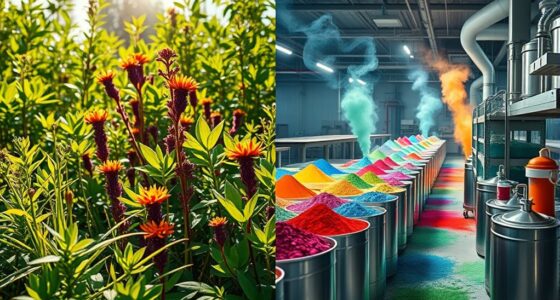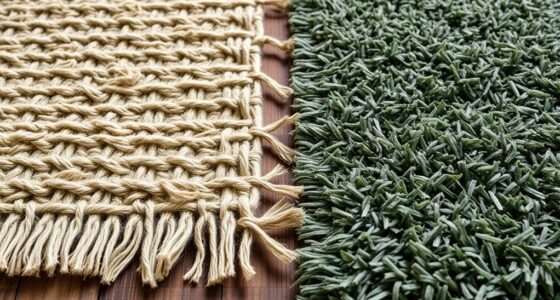
Understanding the environmental impact of rugs involves evaluating their entire life cycle, from raw material extraction to disposal. Choosing sustainable fibers like natural wool, jute, or recycled polyester can considerably reduce ecological footprints. Eco-conscious manufacturing methods, including energy-efficient processes and water recycling, further lower environmental harm. Certifications ensure responsible practices are followed. By considering each stage of a rug’s life, you make smarter, eco-friendly choices. Stay with us to discover how these factors shape a greener future for your home decor.

Get cleaning gear delivered free — and shop member deals
- Fast, free delivery on millions of items
- Access to Prime Big Deal Days deals on October 6–7
- Prime Video, Amazon Music and more included
Key Takeaways
- The life cycle assessment evaluates environmental impacts from raw material extraction to disposal, highlighting stages with the highest ecological footprint.
- Sustainable fibers like recycled polyester and natural wool reduce water use, chemicals, and greenhouse gas emissions compared to conventional materials.
- Eco-friendly manufacturing employs energy-efficient, water-saving, and emission-reducing processes, minimizing environmental harm.
- Certifications ensure rugs are produced with responsible practices, supporting transparency and eco-conscious consumer choices.
- Understanding each stage helps identify opportunities to improve sustainability and reduce the overall environmental impact of rugs.

Have you ever wondered about the environmental impact of the rugs in your home? It’s a good question, especially because rugs can considerably affect your household’s carbon footprint. When evaluating rugs, it’s vital to consider the entire life cycle, from raw material extraction to disposal. One essential aspect is the choice of sustainable fibers, which can reduce environmental harm compared to traditional materials. Sustainable fibers, like natural wool, jute, or recycled polyester, are often produced with fewer chemicals and less water, making them more eco-friendly. These fibers are renewable or recycled, helping to lower greenhouse gas emissions and lessen reliance on fossil fuels. The manufacturing processes behind these fibers also matter a lot. Eco-conscious manufacturing often involves energy-efficient methods, reduced water use, and minimal emissions. For example, some manufacturers use closed-loop systems that recycle water and chemicals, drastically reducing waste and pollution. Choosing rugs made with sustainable fibers produced through greener manufacturing processes can markedly decrease your ecological footprint. Additionally, selecting rugs with certifications or labels that verify environmentally responsible practices can further ensure that your choice supports sustainability goals. Understanding the entire life cycle assessment of rugs helps you make more environmentally conscious decisions and reduce your overall impact.
As an affiliate, we earn on qualifying purchases.
Frequently Asked Questions
How Does Rug Recycling Impact Overall Environmental Footprint?
Rug recycling markedly reduces your environmental footprint by diverting waste from landfills and conserving resources. Through upcycling techniques, you transform old rugs into new, useful items, minimizing waste. Participating in recycling programs makes it easier to recycle rugs responsibly, lowering environmental impact. By choosing recycling, you help decrease pollution, save energy, and promote sustainability, ensuring your actions positively influence the planet’s health and future.
What Are the Most Eco-Friendly Materials Used in Rug Manufacturing?
You should look for rugs made from natural fibers like wool, jute, and sisal, which are eco-friendly choices. These biodegradable materials break down naturally, reducing environmental impact. By choosing rugs with natural fibers, you support sustainable manufacturing and lessen pollution. These materials are renewable, durable, and less harmful to the environment, making them the most eco-friendly options for rug production.
How Can Consumers Reduce a Rug’s Environmental Impact?
To reduce your rug’s environmental impact, opt for eco-friendly cleaning methods like using natural, biodegradable cleaners instead of harsh chemicals. You can also practice rug upcycling by repurposing or donating your old rugs rather than discarding them. These actions help extend your rug’s life, minimize waste, and lessen environmental harm, making a significant positive difference in your home’s sustainability.
Are Organic Dyes More Sustainable Than Synthetic Dyes in Rugs?
Oh, because synthetic dyes are just so eco-friendly, right? Actually, organic dyes are more sustainable than synthetic dyes in rugs, since they come from natural sources and usually have a lower environmental footprint. While synthetic dyes might seem convenient with vibrant colors, they often involve harmful chemicals and energy-intensive processes. So, by choosing rugs dyed with organic dyes, you’re making a smarter, greener choice for the planet.
What Innovations Are Emerging in Sustainable Rug Production?
You’ll see innovations like biodegradable fibers and renewable sourcing in sustainable rug production. These advancements allow you to choose rugs that break down naturally, reducing waste and environmental harm. Manufacturers are now using plant-based materials and eco-friendly dyes, making rugs more sustainable from start to finish. By embracing these innovations, you help lower your ecological footprint and support a greener future through responsible, eco-conscious choices in your home decor.
Conclusion
By understanding the environmental impacts at each stage—from raw material extraction to disposal—you can make more sustainable choices. Recognize the importance of selecting eco-friendly fibers, supporting responsible manufacturing, and extending the lifespan of your rugs. When you prioritize sustainability, you reduce waste, conserve resources, and lessen pollution. Embrace mindful consumption, advocate for greener practices, and contribute to a healthier planet. Together, you and your rugs can leave a positive, lasting footprint on the environment.
Fall Picks
fall essentials
As an affiliate, we earn on qualifying purchases.