Switching to solar-powered rug manufacturing allows you to cut environmental impacts by reducing reliance on fossil fuels and lowering greenhouse gas emissions. It boosts your operational efficiency, providing a reliable renewable energy source that keeps production running smoothly and stabilizes energy costs. This shift also enhances your supply chain’s sustainability and builds your reputation as an eco-conscious business. Explore further to discover how this green approach can transform your manufacturing process and sustainability goals.
Key Takeaways
- Solar power reduces fossil fuel reliance, lowering greenhouse gas emissions in rug manufacturing.
- Integrating solar energy enhances operational efficiency and ensures continuous production.
- Solar adoption stabilizes energy costs and minimizes supply chain disruptions.
- Using renewable energy demonstrates environmental responsibility, attracting eco-conscious consumers.
- Solar-powered manufacturing supports sustainable industry practices and promotes long-term environmental preservation.
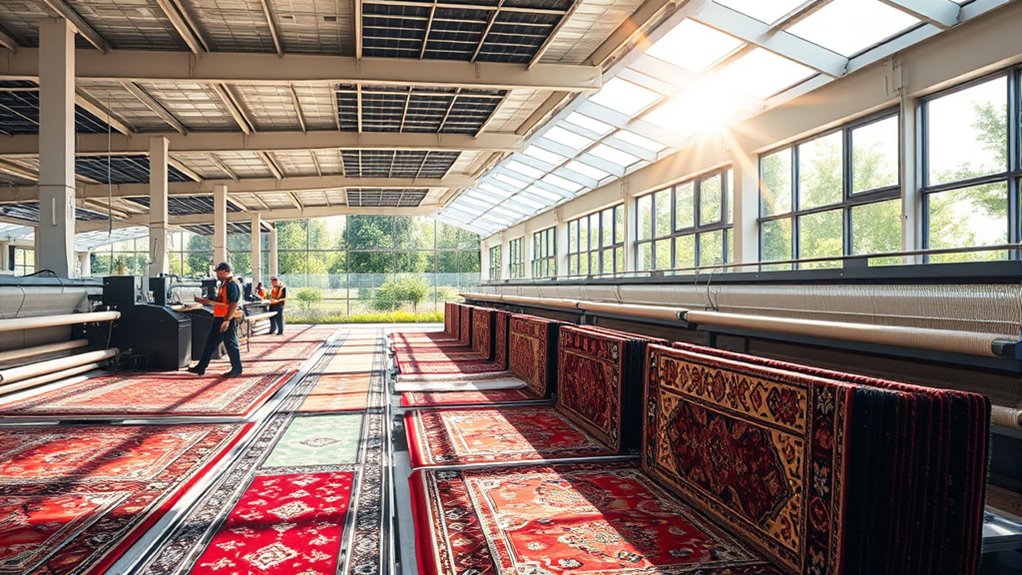
As sustainability becomes a top priority across industries, rug manufacturers are increasingly turning to solar power to reduce their environmental impact. This shift isn’t just about cutting energy costs; it’s about creating a more sustainable and resilient supply chain. By harnessing solar energy, you can considerably improve your operations’ energy efficiency, which directly benefits your bottom line and your brand’s reputation. Solar power offers a reliable, renewable source of energy that minimizes reliance on fossil fuels, helping you lower greenhouse gas emissions and reduce your carbon footprint. As you invest in solar infrastructure, you’re not only making your production process greener but also future-proofing your supply chain against volatile energy prices and regulatory pressures.
Implementing solar power in your manufacturing process enhances your supply chain sustainability in multiple ways. First, it reduces the environmental impact of your energy consumption, aligning your operations with global efforts to combat climate change. Second, it can improve your energy security by providing a stable, locally sourced power supply, which is essential during disruptions or energy shortages. With solar panels installed on your factory rooftops or in dedicated solar farms, you generate your own clean energy, decreasing dependence on external power grids that often rely on non-renewable sources. This independence not only assures continuous production but also positions your company as a responsible leader committed to sustainable practices.
Moreover, adopting solar technology can streamline your supply chain by reducing logistical complexities tied to energy procurement. You’re less vulnerable to fluctuations in energy prices and supply interruptions, ensuring your production schedules remain intact. This stability allows you to plan more accurately, optimize inventory management, and reduce overall operational costs. Over time, the savings on energy bills can be reinvested into other sustainable initiatives or innovation efforts, further enhancing your company’s eco-friendly footprint. Additionally, utilizing renewable energy sources can serve as a powerful marketing tool, showcasing your commitment to environmental responsibility and attracting eco-conscious consumers.
As consumer demand for ethically produced goods rises, showcasing your commitment to renewable energy and supply chain sustainability can also boost your market appeal and customer loyalty. In the end, integrating solar power into rug manufacturing isn’t just an environmental choice; it’s a strategic one. It elevates your energy efficiency, fortifies your supply chain, and demonstrates your dedication to a greener future. By taking these steps, you not only produce high-quality rugs but also contribute positively to the planet, aligning your business with the values of today’s eco-conscious consumers. Solar-powered manufacturing becomes a win-win scenario—benefiting both your company’s growth and the environment you’re helping to preserve.
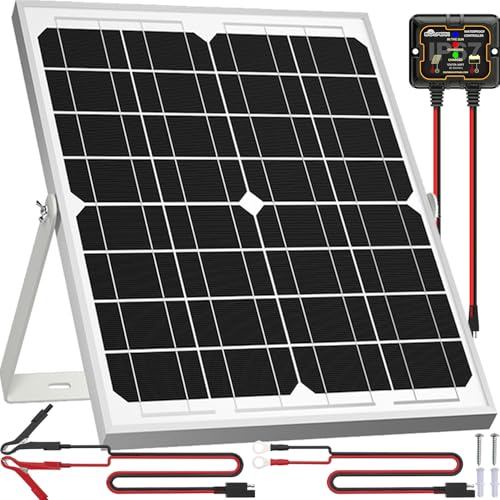
SOLPERK Solar Panel Kit 20W 12V Solar Battery Charger Maintainer+Controller
- High Conversion Efficiency: 21%-30% efficiency with monocrystalline cells
- Versatile Battery Compatibility: Charges various 12V rechargeable batteries
- Durable Weatherproof Design: Waterproof, rustproof, withstands harsh weather
As an affiliate, we earn on qualifying purchases.
As an affiliate, we earn on qualifying purchases.
Frequently Asked Questions
How Cost-Effective Is Solar Power for Rug Manufacturing?
Solar power is quite cost-effective for rug manufacturing when you do a thorough cost analysis. It reduces your energy expenses considerably and boosts energy efficiency, leading to long-term savings. Although the initial investment might seem high, government incentives and declining solar costs make it more affordable. Over time, you’ll notice lowered operational costs, making solar power a smart, sustainable choice that benefits your business financially and environmentally.
What Are the Challenges of Implementing Solar Technology at Scale?
You might find that scaling infrastructure and supply chain adaptation are the main challenges of implementing solar technology at scale. As you expand, you could encounter difficulties in upgrading facilities to accommodate solar systems and in sourcing reliable, affordable components. These issues require careful planning and investment, but overcoming them can lead to a more sustainable, cost-effective production process, ultimately aligning your operations with environmental goals and long-term profitability.
How Does Solar Energy Impact Rug Production Quality?
You’ll find that solar energy can enhance rug production quality by providing a stable, eco-friendly power source. It supports sustainable dyeing processes, reducing chemical use and environmental impact. Plus, solar power enables the use of eco-friendly adhesives, improving overall product safety and durability. With cleaner energy, you create rugs that are not only high-quality but also environmentally responsible, appealing to eco-conscious consumers and boosting your brand’s reputation.
Are There Environmental Benefits Beyond Energy Savings?
Switching to solar power drastically cuts your carbon footprint, but the benefits go further. You’ll help conserve water, as solar manufacturing reduces water use compared to traditional methods. This eco-friendly approach minimizes pollution and waste, making your rug production not just cleaner but more sustainable. By embracing solar energy, you’re leading the charge toward a healthier planet, proving that greener choices can transform entire industries.
What Future Innovations Could Enhance Solar-Powered Rug Manufacturing?
You could see future innovations like improved solar panel durability, making your manufacturing process more resilient and efficient. Advanced energy storage solutions might store excess energy for continuous production, even when sunlight is limited. These innovations will help you reduce costs, increase sustainability, and guarantee consistent operation. As technology advances, your solar-powered rug manufacturing can become even more eco-friendly and reliable, setting new standards in sustainable production.
Conclusion
By embracing solar-powered rug manufacturing, you’re weaving a future where sustainability shines bright like the sun. Each rug becomes more than just a product—it symbolizes your commitment to a greener world. As the sun fuels your production, it reminds you that small, conscious choices can illuminate the path toward a cleaner, brighter planet. Keep weaving hope and sustainability into every thread, and watch as your efforts bloom into a lasting legacy of environmental care.