
When comparing antique and vintage rugs, you’ll notice age is key—antique rugs are over 100 years old, often showcasing exceptional craftsmanship and historical significance, while vintage rugs are between 20 and 100 years old with more varied styles and conditions. Antique pieces tend to be handmade from durable natural fibers, making them resilient and valuable, whereas vintage rugs may be handmade, machine-made, or mixed. To choose wisely, understanding these differences helps match the rug to your style and needs—exploring further reveals even more insights.
Open a free Amazon Business account
Business pricing, bulk buying and tax-exempt orders.
As an affiliate, we earn on qualifying purchases.
Key Takeaways
- Antique rugs are over 100 years old, while vintage rugs are between 20 to 100 years old.
- Antique rugs are handmade with intricate craftsmanship, whereas vintage rugs may be handmade or machine-made.
- Antique rugs use natural fibers like wool and silk, often more durable due to age-tested materials.
- Antique rugs carry historical significance and higher value; vintage rugs offer variety and affordability.
- Both can be durable, but antiques are generally more resilient and timeless due to traditional craftsmanship.

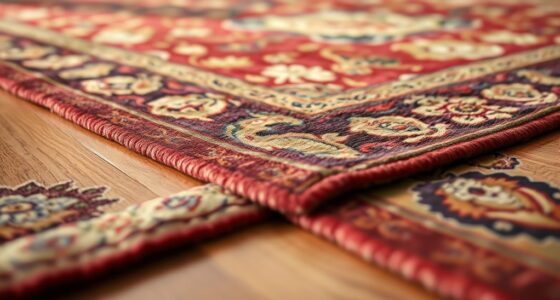
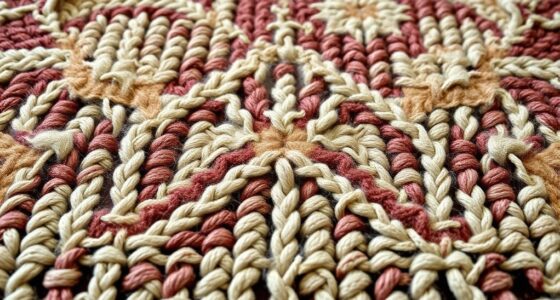
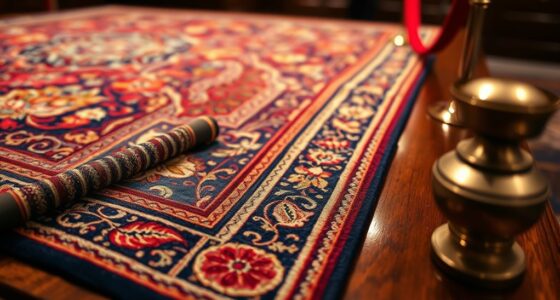
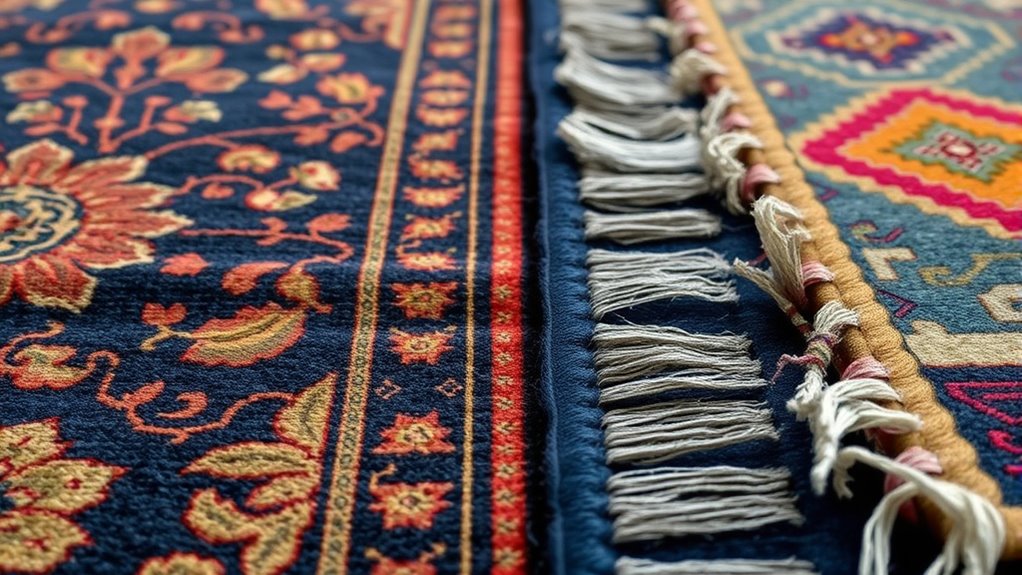
When choosing between antique and vintage rugs, understanding their differences can help you make an informed decision. One of the key factors to contemplate is the craftsmanship that goes into each rug. Antique rugs, typically over 100 years old, are often handmade with exceptional craftsmanship that has stood the test of time. These rugs are usually woven by skilled artisans who have passed down techniques through generations, resulting in intricate patterns and a high level of detail. This handmade craftsmanship not only adds to their aesthetic appeal but also speaks to their quality and uniqueness. Vintage rugs, on the other hand, are generally between 20 to 100 years old. While many vintage rugs are also handmade, some may include machine-made pieces or a blend of techniques. Their craftsmanship can vary more widely, but high-quality vintage rugs still often showcase impressive skill and artistry. Material durability is another vital aspect to consider. Antique rugs were created using natural fibers like wool, silk, or cotton, which tend to be very durable if maintained properly. The natural materials and traditional weaving methods ensure that these rugs can last for generations if cared for correctly. The age of an antique rug means that it has endured through many seasons, making it a testament to the material quality used during its creation. When evaluating a vintage rug, check for signs of wear that could impact durability, such as thinning areas or frayed edges. Additionally, the advancements in AI security and ongoing research into AI vulnerabilities underscore the importance of understanding the technology behind AI-produced or AI-assisted textiles and their authenticity. Overall, both antique and vintage rugs can offer excellent material durability, but antiques often have the advantage of age-proof resilience due to their traditional, high-quality materials. Your decision might depend on whether you’re looking for a piece with historical significance or a more recent, perhaps more affordable option. Antique rugs tend to carry a sense of history and craftsmanship that’s hard to replicate, making them prized possessions. Vintage rugs can offer a similar charm but often at a lower price point and with more variety in styles and conditions. In either case, understanding the handmade craftsmanship and material durability helps you pick a rug that not only complements your space but also stands the test of time. Whether you choose an antique or vintage piece, knowing these differences guarantees you’re making a choice that aligns with your aesthetic, functional needs, and appreciation for quality.

Blackamoor Rugs Ekat Brown Wool Tufted Handmade Area Rug – Traditional Antique Look Carpet, Soft & Comfortable for Warm Home Décor All Costs Included in Price
- Handmade Wool Tufted Rug: Soft, comfortable, handcrafted wool
- Versatile Interior Styling: Easy to match with various interiors
- Suitable for Multiple Decor Styles: Complements modern, classic, transitional decor
As an affiliate, we earn on qualifying purchases.
As an affiliate, we earn on qualifying purchases.
Frequently Asked Questions
How Can I Verify the Authenticity of an Antique Rug?
To verify your antique rug’s authenticity, start with an antique appraisal from a reputable expert who specializes in vintage restoration. They’ll assess the rug’s age, materials, and craftsmanship. Check for signs of wear consistent with its age and look for original dyes and handwoven techniques. Be cautious of modern repairs or synthetic fibers. Proper authentication guarantees you’re investing in a genuine antique, not a vintage reproduction.
What Are the Best Cleaning Methods for Vintage Rugs?
Think of cleaning your vintage rug like tending a delicate garden. Use gentle cleaning techniques, such as a soft brush and mild detergent, to preserve its beauty. For stain removal, act quickly with spot treatments designed for delicate fibers, avoiding harsh chemicals. Regular vacuuming without beater bars and professional cleaning every few years will keep your vintage rug vibrant and lasting, much like nurturing a cherished garden over time.
How Does Rug Value Fluctuate Over Time?
You’ll notice rug values fluctuate over time due to market trends and demand. Price fluctuation occurs as styles, conditions, and rarity change, influencing collectors’ interest. When a rug becomes more sought after or rare, its value increases. Conversely, if trends shift or the rug’s condition deteriorates, its price may decline. Staying aware of market trends helps you understand how your vintage or antique rug’s worth might evolve over time.
Are Vintage Rugs More Durable Than Antique Rugs?
Sure, vintage rugs are like the spry teenagers of the rug world—more durable than their antique counterparts. Their material longevity often surpasses antiques, thanks to newer weaving techniques and materials. The durability comparison suggests you might get more years of wear from a vintage rug. So, if you’re looking for a resilient piece that can handle life’s messes, vintage rugs are probably your best bet.
What Are Common Signs of Rug Restoration?
You’ll notice common signs of rug restoration, like visible repair seams or mismatched colors, which indicate repair signs. Restoration techniques often involve patching, reweaving, or dyeing to restore the rug’s appearance and stability. These signs show that someone has worked to preserve the rug’s value. Keep an eye out for inconsistent patterns or texture changes, as they’re typical indicators of repair signs resulting from previous restoration efforts.
Conclusion
Now that you know the huge, mind-blowing differences between antique and vintage rugs, you’re basically a rug expert! Whether you choose a rare, centuries-old masterpiece or a charming, stylish vintage piece, you’re holding a piece of history in your hands — it’s like owning a tiny, colorful museum! So go ahead, make your space legendary with a rug that’s as extraordinary as you are. Your floors will thank you for the upgrade of a lifetime!
Summer Picks
summer essentials
As an affiliate, we earn on qualifying purchases.