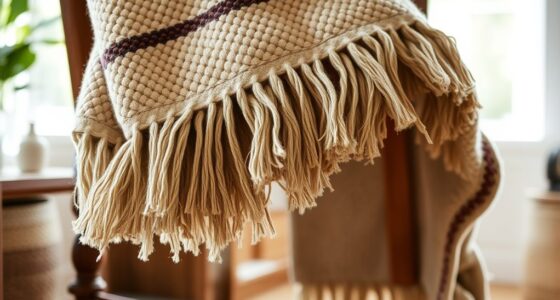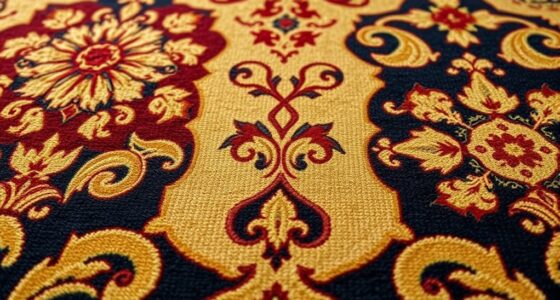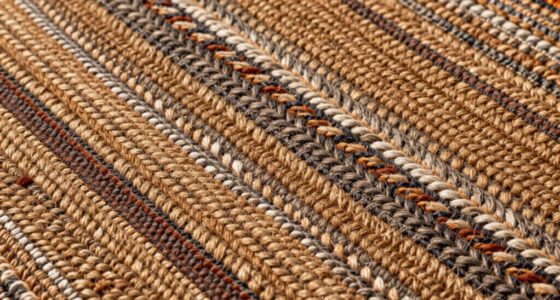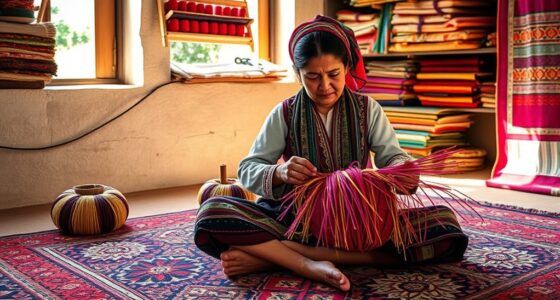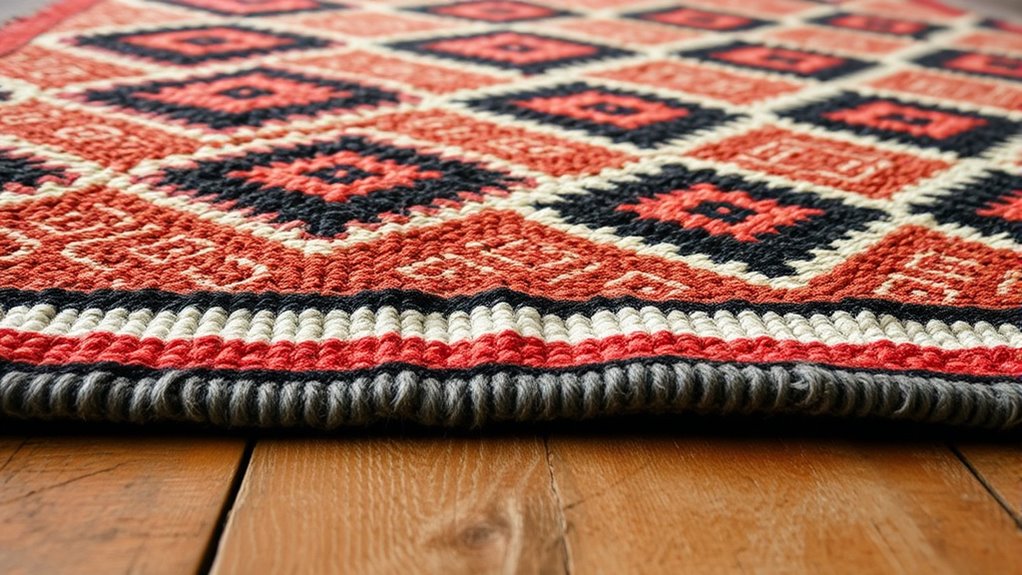

Moroccan Berber rugs feature unique patterns and vibrant colors that reflect cultural stories, beliefs, and traditions. You’ll notice geometric designs like triangles and diamonds symbolizing protection, while zigzags often represent water or fertility. Bright reds and natural dyes add meaning, linking to nature and spirituality. Each rug is a craftsmanship masterpiece with motifs carrying deep cultural significance. Exploring these patterns reveals rich history and symbolism—you’re about to uncover the fascinating stories behind them.

Get cleaning gear delivered free — and shop member deals
- Fast, free delivery on millions of items
- Access to Prime Big Deal Days deals on October 6–7
- Prime Video, Amazon Music and more included
Key Takeaways
- Moroccan Berber rugs feature intricate geometric patterns that convey cultural identity, protection, and storytelling.
- Unique motifs like triangles, diamonds, and zigzags symbolize protection, water, fertility, and spiritual beliefs.
- Colors such as red and black hold symbolic meanings, representing vitality, strength, and protection.
- Each rug reflects specific tribal or community traditions, embodying resilience and cultural heritage.
- Craftsmanship techniques like knotting and dyeing contribute to the rugs’ durability and deepen their cultural significance.

Moroccan Berber rugs are renowned for their bold patterns, vibrant colors, and rich cultural history. When you examine these rugs closely, you notice that their designs aren’t just random decorations—they’re a reflection of the weavers’ traditions, beliefs, and everyday experiences. The intricate weaving techniques used to create these rugs are passed down through generations, each one adding a layer of meaning and craftsmanship. These techniques involve knotting, dyeing, and finishing methods that give the rugs their durability and unique textures. As you run your hand over a Berber rug, you can feel the skill and patience woven into every inch, knowing that each pattern tells a story. Additionally, the weaving techniques embedded in these rugs often incorporate specific motifs that convey cultural significance and storytelling traditions.
The cultural symbolism embedded in Moroccan Berber rugs is deeply meaningful. Patterns and motifs often carry specific meanings, serving as visual language that communicates identity, protection, and spiritual beliefs. For example, certain geometric shapes like triangles and diamonds symbolize protection against evil spirits, while zigzag lines might represent water or fertility. When you choose a Berber rug, you’re not just adding a decorative piece to your space—you’re embracing a piece of Berber heritage. Each symbol was historically used by specific tribes or communities, making the rug a cultural artifact that connects you to the Berbers’ history and worldview.
The colors in these rugs also carry symbolic weight. Bright reds, for example, often symbolize life and vitality, while black can represent strength or protection. Natural dyes derived from plants, minerals, and insects give these rugs their stunning palette, and knowing the origins of these colors adds another layer of appreciation. As you study a rug’s design, you realize that every color choice was deliberate and meaningful, often linked to local beliefs or environmental factors.
In essence, Moroccan Berber rugs are more than just decorative items—they’re woven stories and symbols that encapsulate the Berber people’s cultural identity. When you bring one into your home, you’re not just adding a splash of color or pattern; you’re inviting a piece of history and tradition. The weaving techniques and cultural symbolism embedded in these rugs make each one a unique masterpiece—an artful expression of Berber resilience, spirituality, and community. Understanding the deeper meanings behind the patterns enhances your appreciation and connection to these remarkable textiles, turning a simple rug into a cherished cultural artifact.
Moroccan Berber rug geometric pattern
As an affiliate, we earn on qualifying purchases.
As an affiliate, we earn on qualifying purchases.
Frequently Asked Questions
How Are Moroccan Berber Rugs Traditionally Crafted?
You’re likely to see Moroccan Berber rugs crafted using traditional Berber weaving techniques, where artisans hand-weave the rugs on looms, creating intricate patterns. They often employ natural dyeing process methods, using plants and minerals to color the wool. This careful craftsmanship guarantees each rug is unique, blending functional design with cultural symbolism. Your rug’s patterns and colors reflect the artisan’s heritage and the community’s history, making it a truly authentic piece.
What Materials Are Commonly Used in Berber Rug Making?
Imagine walking into a Moroccan village and seeing a vibrant Berber rug. You’d find wool as the primary material, prized for its durability and softness. Artisans often use natural dyes from plants and minerals to color the wool, ensuring the rug lasts generations. Wool’s resilience combined with these natural dyes creates a beautiful, long-lasting piece that tells a story through its vibrant colors and sturdy fibers.
How Do Patterns Vary Among Different Berber Tribes?
You’ll notice that patterns vary among Berber tribes, reflecting their unique tribal symbolism. Each tribe uses specific motifs and geometric designs that carry deep pattern symbolism, representing things like protection, fertility, or spiritual beliefs. For example, the Aït Bou Ichaouen tribe often incorporates zigzags and diamonds, while the Beni Ourain tribe favors simple, abstract lines. These variations make each rug a meaningful piece of cultural storytelling.
What Is the Cultural Significance of Specific Motifs?
You’ll be amazed at how each motif on a Moroccan Berber rug holds powerful tribal symbolism, telling stories that span generations. These symbolic meanings aren’t just decorations; they’re life lessons, protection charms, and expressions of identity. Tribal symbolism is woven into every pattern, making each rug a vibrant tapestry of history, culture, and emotion. By understanding these motifs, you connect deeply with the rich heritage they represent.
How Should I Care for and Clean Berber Rugs?
To care for your Berber rug, vacuum it regularly to remove dirt and dust, and rotate it to prevent uneven wear. For stain removal, act quickly with gentle rug cleaning tips like blotting, avoiding harsh chemicals. Use a mixture of mild soap and water for spot cleaning, and always test in an inconspicuous area first. Keep it dry and avoid direct sunlight to preserve its colors and texture.
Conclusion
As you explore Moroccan Berber rugs, you’ll discover their rich history and meaningful patterns that tell stories of a bygone era. Each rug is a one-of-a-kind masterpiece, blending tradition with timeless beauty. Think of it as your own personal, cozy tapestry—like having a piece of history right in your living room. So go ahead, embrace the charm, and let these ancient designs add warmth and character to your modern life.
Fall Picks
fall essentials
As an affiliate, we earn on qualifying purchases.