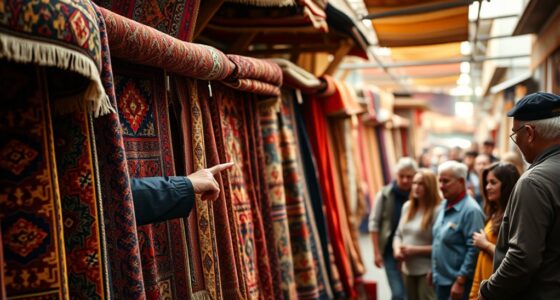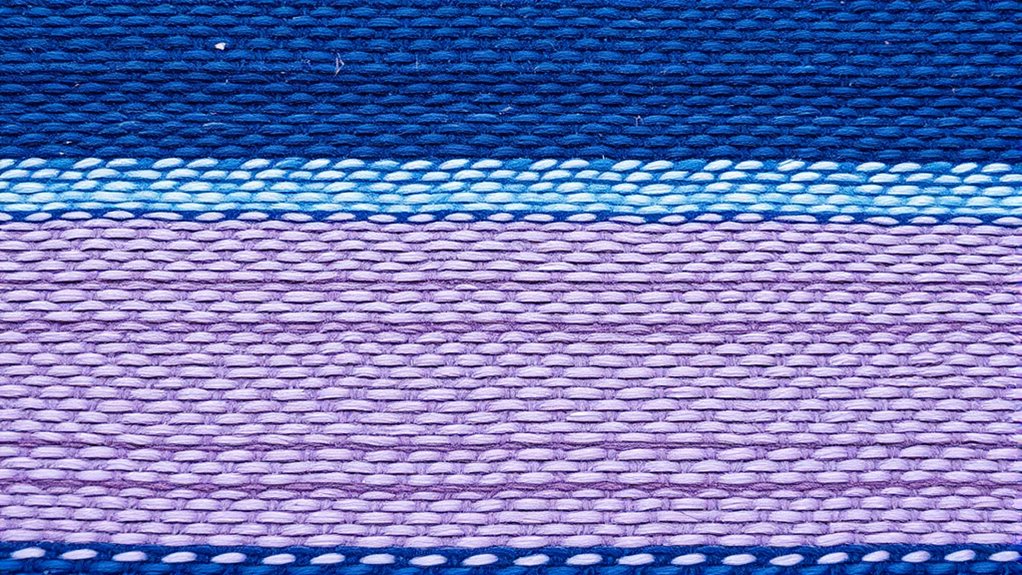
The colorfastness of your rug depends on the type of dye used and how it bonds with the fibers. Natural dyes often fade faster because they form weaker bonds, especially without proper mordants, while synthetic dyes are designed for stronger chemical bonds, making them more resistant to washing and sunlight. Factors like dye chemistry and finishing methods influence how well colors hold up over time. Keep exploring to discover how these science principles impact your rug’s lasting beauty.

Get cleaning gear delivered free — and shop member deals
- Fast, free delivery on millions of items
- Access to Prime Big Deal Days deals on October 6–7
- Prime Video, Amazon Music and more included
Key Takeaways
- Natural dyes tend to fade faster due to weaker bonds with fibers, especially under sunlight and washing.
- Synthetic dyes form stronger chemical bonds, making rug colors more resistant to fading over time.
- The choice of mordants and dyeing techniques significantly impacts natural dye colorfastness.
- Environmental factors like UV exposure and cleaning methods accelerate dye degradation in rugs.
- Proper finishing processes can enhance the durability and longevity of both natural and synthetic dyes on rugs.
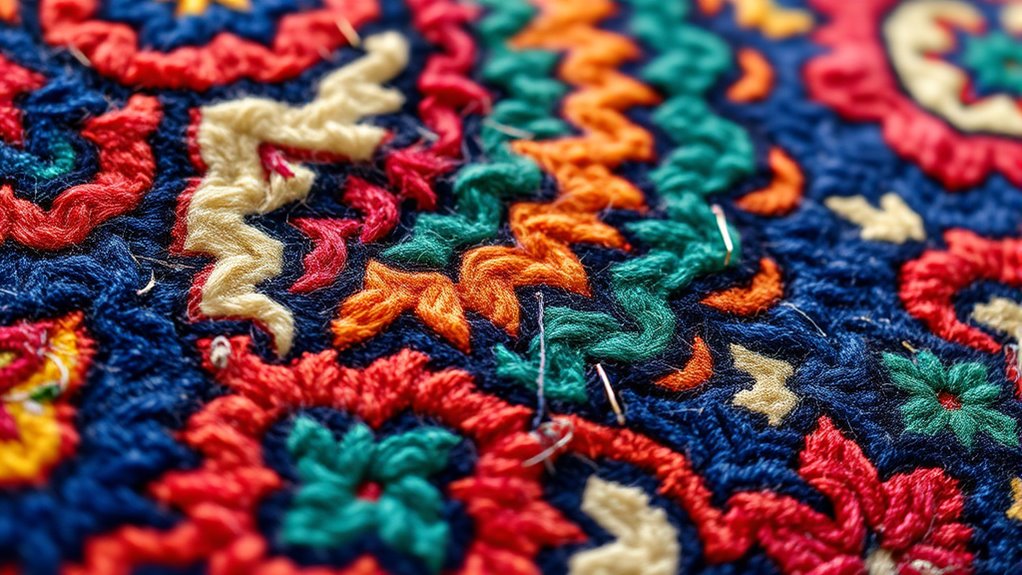
Have you ever wondered why some fabrics lose their vibrant color over time? The answer lies in the science behind dyes and how they interact with fibers, as well as the nature of the dyes themselves. Different dye sources impact how well colors hold up, especially when exposed to washing, sunlight, and environmental factors. Natural dye sources, like plants, insects, and minerals, have been used for centuries. While they can produce beautiful, earthy hues, their colorfastness often isn’t as reliable as synthetic dyes. Natural dyes tend to bond weakly with fibers, making their colors more prone to fading over time. Their stability depends heavily on the mordants used during dyeing, which can either enhance or diminish their durability. In contrast, synthetic dyes, developed in the 19th century, were engineered to improve color stability. They contain chemical compounds that form stronger bonds with fibers, making their colors more resistant to washing and UV exposure. Synthetic dye stability is a key factor in the longevity of textile colors, especially for commercial products and items intended for long-term use. Because of their molecular structure, synthetic dyes are less likely to wash out or fade after repeated cleaning, unlike many natural dyes. This is why many modern textiles, especially those in fashion and interior design, rely on synthetic dyes for their vibrant, lasting colors. However, while synthetic dyes excel in durability, they come with environmental and health considerations, prompting ongoing research into safer, more sustainable options. When you’re choosing fabrics or dyes, understanding these differences can help you decide what’s best for your needs. If you want a natural, eco-friendly look and are okay with some fading over time, natural dyes can be a good choice. But if you prioritize color longevity and resistance to wear, synthetic dyes are usually more reliable. The stability of these dyes depends not only on their chemical composition but also on how they’re applied and finished. Proper dyeing techniques, mordanting, and finishing processes can markedly influence how well a color holds up. So, whether you’re crafting textiles or selecting clothing, knowing about natural dye sources and synthetic dye stability can guide your choices. Ultimately, the science behind dye chemistry determines whether a fabric keeps its original vibrancy or slowly fades into the background. Understanding these factors allows you to appreciate the complexities behind the colors you wear and use every day, emphasizing the importance of choosing the right dye for the desired lifespan and environmental impact.
rug colorfastness protector spray
As an affiliate, we earn on qualifying purchases.
As an affiliate, we earn on qualifying purchases.
Frequently Asked Questions
How Do Environmental Factors Influence Rug Colourfastness?
Environmental factors like UV exposure and humidity markedly impact your rug’s colourfastness. UV rays cause fading over time, especially if the rug is placed near windows or outdoors. High humidity promotes mold growth and can weaken dyes, leading to colour loss. To preserve your rug’s vibrant colours, keep it away from direct sunlight and control indoor humidity levels, ensuring it stays looking fresh and bright for years to come.
Are Natural Dyes More Fade-Resistant Than Synthetic Dyes?
Natural dyes generally have lower fade resistance compared to synthetic dyes. You might notice that rugs with natural dyes can lose their vibrant colors more quickly when exposed to sunlight, washing, or environmental elements. While natural dyes create beautiful, unique hues, they often require careful maintenance to preserve their appearance. Synthetic dyes, on the other hand, tend to be more durable and resistant to fading over time, making them a popular choice for long-lasting color.
Can Rug Cleaning Methods Affect Dye Longevity?
You might think rug cleaning keeps your carpet pristine, but it can actually threaten dye stability. Harsh chemicals and vigorous scrubbing impact dye longevity more than you realize, causing fading over time. While clean rugs look great, frequent or improper cleaning can accelerate dye loss, making your beautiful colors dull faster. So, ironically, your attempts at cleanliness could be the very thing that diminishes your rug’s vibrant charm.
What Role Does Rug Material Play in Colourfastness?
Your rug material plays a vital role in colourfastness because fiber durability influences how well dyes stay intact over time. Natural fibers like wool and silk tend to have better dye penetration, making colors more vibrant and resistant to fading. Synthetic fibers such as nylon or polyester may resist fading but often require specific dyes for durability. Choosing the right material guarantees your rug maintains its colour and appearance longer.
How Can Consumers Test Rug Colourfastness at Home?
Who needs fancy lab equipment when you can do DIY dye testing at home? To test your rug’s colorfastness, gently dab a small, hidden area with a damp white cloth or cotton swab. If color transfers, it’s time to worry. Remember, simple colorfastness testing helps you catch fading issues early. So, grab your supplies and see if your rug withstands the test—no science degree required!
Conclusion
Now that you understand the science behind rug colourfastness, you realize it’s more than just dye and fabric—it’s about preserving memories and moments stitched into every thread. With each fade, a story dims; with each vibrant hue, a promise of longevity is kept. Remember, your choice of dyes and care can turn your rug into a timeless treasure. Don’t let fading steal your home’s soul—protect it, cherish it, and keep its colors alive forever.
Fall Picks
fall essentials
As an affiliate, we earn on qualifying purchases.