
TL;DR
A House Beautiful report based on interviews with professional cleaners lists seven things to avoid cleaning with a Magic Eraser: stainless steel, car paint, nonstick cookware, stone countertops, hardwood floors, electronic screens and skin. Experts say the melamine foam works through abrasion, which can damage coatings or finishes; they recommend surface-specific, less abrasive cleaning methods instead.
A House Beautiful report featuring advice from professional cleaners identifies seven things to avoid cleaning with a Magic Eraser: stainless steel, car paint, nonstick cookware, stone countertops, hardwood floors, electronic screens and skin. The experts say the melamine-foam sponge removes marks through physical abrasion, which can scratch surfaces or wear away finishes and coatings.

Get cleaning gear delivered free with Prime
- Fast, free delivery on millions of items
- Prime Video, Amazon Music and more included
- Member-only deals all year
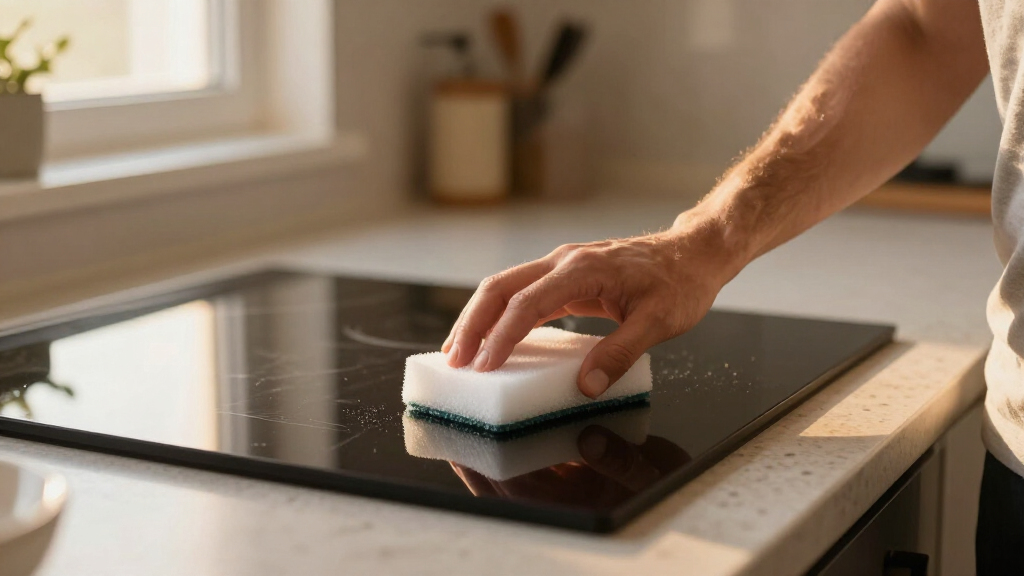
Sofia Martinez, a cleaning expert and CEO of Sparkly Maid Austin, describes a Magic Eraser as a sponge made from melamine foam. Its structure lifts scuffs and grime through friction, she says, allowing it to remove some marks that a microfiber cloth may not. That abrasive action is also why the sponge may be unsuitable for delicate surfaces.
For stainless steel, Martinez warns that scrubbing can leave fine scratches, disturb the visible grain or damage a protective finish. On car paint, Adam Ziegelman, owner of San Diego County Maid Brigade, says an eraser may scratch or dull the finish. He recommends car soap and a microfiber mitt, or a product designed for automotive paint.
Martinez advises against using one on nonstick cookware, where abrasion may weaken the coating; damage to a scratched or peeling coating cannot be reversed by cleaning. On stone countertops, abrasion may dull polish or affect a treatment, and may not remove stains that have penetrated the stone. Kadi Dulude of Wizard of Homes recommends a stone-formulated cleaner and microfiber cloth. Ziegelman says to follow the floor maker’s instructions for hardwood, while Martinez warns abrasion can haze or scratch screens and glossy plastics. Derek Christian, co-owner of All Star Cleaning Services, says contact with skin can cause irritation, friction burns or remove layers of skin.
Why Abrasion Can Damage Finishes
The advice matters because a Magic Eraser can look and feel like an ordinary sponge, while its cleaning action relies on friction. On surfaces with a polished finish, protective layer or delicate coating, removing a mark can also leave visible wear. Damage may not be obvious immediately: Martinez says stainless steel can appear hazy or uneven under kitchen lighting, and screen coatings may show permanent haze or scratches.
Choosing a cleaner intended for the material can reduce the chance of replacing or refinishing a damaged item. The experts’ alternatives are specific rather than universal: use soap and microfiber on stainless steel, car products on paint, and approved cleaners for stone or flooring. For nonstick cookware and screens, avoid abrasive scrubbing and follow the manufacturer’s care guidance.
Products Worth Considering

Philips Hue Play Floor Lamp, RGBWWIC LED, 53 Inch, Black

Sonos Era 100 Wireless Smart Speaker, White

Bose Lifestyle Ultra Speaker
As an affiliate, we earn on qualifying purchases.
How Magic Erasers Remove Marks
The report frames the Magic Eraser as a useful tool for some household marks, not as a product that is safe on every surface. Martinez says its melamine-foam structure works by physical friction, which can lift grime and scuffs that do not respond to a microfiber cloth. That explanation underpins the cleaners’ cautions: the same action that removes a mark may also affect a finish.
The recommendations came from interviews with professional cleaners cited by House Beautiful. The supplied report names seven categories to avoid and offers alternatives for several of them, but it does not provide a product-by-product test or claim that every surface in each category will be damaged in every instance.
“A Magic Eraser is a cleaning sponge made from melamine foam. Its structure helps lift scuffs, grime, and surface marks through physical friction.”
— Sofia Martinez, cleaning expert and CEO of Sparkly Maid Austin
Damage Depends on the Surface
The report does not specify how much pressure, how many passes or which particular Magic Eraser product versions were involved in the experts’ advice. It also does not quantify the likelihood of damage for each material. The warnings are expert recommendations, not a claim that every use on every listed surface will cause visible harm.
Surface construction and condition can vary, including the type of coating, sealant or finish. The supplied material does not establish whether a manufacturer permits use on any specific model or product. Readers should check care instructions for the item being cleaned and consult its maker when guidance is unclear.
Check Care Guidance Before Scrubbing
No follow-up study or product announcement is described in the report. For now, the practical next step is to use the cleaner and tool recommended by the item’s manufacturer, especially for cookware, flooring, stone, screens and vehicle paint. If instructions are unavailable, avoid testing an abrasive sponge on a visible or delicate area.
For routine marks, the experts suggest gentler options suited to the material, such as a microfiber cloth, a floor-approved cleaner, or a product formulated for stone or cars. Keep the sponge away from skin; if skin contact causes irritation or injury, stop using it and seek appropriate medical advice.
Key Questions
Why can a Magic Eraser damage some surfaces?
Cleaning expert Sofia Martinez says the melamine-foam sponge removes marks through physical friction. That abrasion can also scratch, dull or wear down certain finishes and coatings.
Which seven items do the cleaners say to avoid?
The report lists stainless steel, car paint, nonstick cookware, stone countertops, hardwood floors, electronic screens and skin.
What should I use on a stainless-steel appliance instead?
Martinez recommends soap, water and a microfiber cloth, or a cleaner made for stainless steel, rather than an abrasive sponge.
Can I use a Magic Eraser on a television or phone screen?
Martinez advises against using it on televisions, monitors, tablets, phones, appliance displays and other glossy plastics. Fine abrasion may leave haze, scratches or an uneven appearance.
Does the report say every use will cause damage?
No. The report presents professional cleaners’ cautions about potential damage; it does not quantify the risk or say that every use on every listed surface will cause visible harm. Check the item’s care instructions.
Source: rss