TL;DR
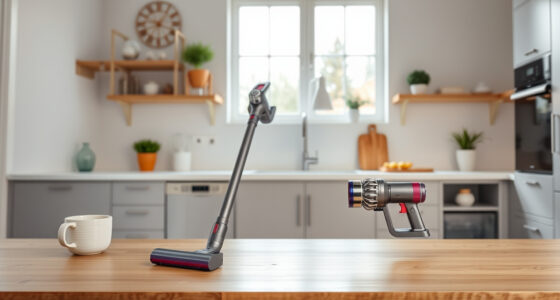
A cordless stick vacuum is a rechargeable, upright-style cleaner built for quick, convenient cleaning, and many convert to handheld vacuums for stairs or furniture. Before buying, check real cleaning results on your floors, runtime with the powered head, handling, bin and filter design, and the availability of replacement batteries and parts. It can serve as a main cleaner in some smaller homes or as a handy second vacuum in larger ones.
A cordless stick vacuum can make a trail of crumbs disappear before your coffee gets cold. It can also run out of charge halfway through the hallway if you rely on the biggest number printed on its box. Knowing which job you expect it to do makes the difference between a helpful daily tool and an expensive machine that spends its life on the charger.

Get cleaning gear delivered free with Prime
- Fast, free delivery on millions of items
- Prime Video, Amazon Music and more included
- Member-only deals all year
This guide explains what cordless stick vacuums are, how their battery and brush head affect cleaning, and which features deserve attention before you buy. You’ll see why a vacuum’s fit with your floors and habits matters more than a single motor or suction claim.
Think of choosing one like choosing shoes for a route: the lightest pair is not much use if it can’t handle the terrain. By the end, you’ll know how to match a cordless stick to your home, compare practical costs, and spot details that could save you frustration later.
Compare cleaning results on your actual hard floors and carpet; motor power alone does not predict pickup.
Treat maximum runtime as a best-case figure until you check performance with the powered floor head and your preferred suction setting.
Check whether the battery can be replaced, how long it charges, and whether replacement batteries are available.
Try the vacuum in hand if possible, and consider where its weight sits, how often you’ll empty the bin, and how it stores.
Price filters, batteries, and brush-roll parts before buying; anti-tangle designs still need occasional checks.
What a cordless stick vacuum can do around your home
A cordless stick vacuum is a lightweight, upright-style cleaner powered by a rechargeable battery, usually with a motorized floor head and a bagless dust bin. Many models detach or convert into a handheld vacuum for stairs, upholstery, cars, and quick spot cleaning. That makes it easy to carry the same machine from a dusty entry rug to crumbs under a kitchen chair.
The key facts are simple: a cordless stick is designed for convenience and frequent cleaning, but it often has a smaller bin and shorter operating time than a full-size plug-in vacuum. Those limits shape how you use it. A small bin means more interruptions in a home with pets or lots of tracked-in dirt; limited runtime can turn a whole-home clean into several sessions. A vacuum is a set of connected parts, not just a motor: airflow, brush design, filtration, floor type, and attachments all influence what it collects. One model may glide over tile while another struggles to pull grit from carpet.
For example, imagine a small apartment with hardwood floors, a low-pile rug, and a cat who scatters litter near the door. A quick cordless pass might keep the place tidy between deeper cleans, while the handheld mode reaches the sofa. Because the area is modest and the floors are relatively easy to clean, the shorter runtime and smaller bin may be acceptable. In a large home with thick carpet and several rooms, frequent recharging and emptying may interrupt the job enough that a full-size cleaner is more practical.
That is the real definition of useful: a vacuum you can reach for often and that can handle the surfaces you actually own. Recent models may add displays, automatic suction adjustment, dust sensors, or app connections, but each feature matters only if it improves cleaning or makes upkeep easier for you. For instance, automatic suction adjustment may save effort as you move between floor types, while an app connection adds little if it does not change how you clean or maintain the machine.
Products Worth Considering

Shark Pet Cordless Stick Vacuum with 40-Minute Runtime, Grey, IX141

TCL F8D Series 75-Inch 4K QLED Smart Fire TV, 144Hz, HDR (75F8D, 2026)

LEVOIT Vital 200S-P Smart Air Purifier for Large Rooms
As an affiliate, we earn on qualifying purchases.
How to judge cleaning power on your floors
Cordless stick vacuum cleaners clean well when their brush, airflow, filtration, and suction work together on your specific floor surfaces. Motor power alone cannot tell you whether a machine will lift embedded dirt from carpet, gather fine dust from tile, or pick up pet hair without scattering it. The brush determines how debris meets the vacuum: agitation can loosen dirt from carpet, while a fast or stiff roller may scatter crumbs on hard floors. Airflow then carries the loosened material through the machine, and filtration helps keep it from escaping back into the room. Look for independent results on both hard floors and carpets, and check whether tests used the floor head and setting you plan to use.
Hard floors need a head that captures fine dust and larger crumbs without flicking debris across the room. A soft roller or carefully designed brush may help, but the best choice depends on the exact floor head and model. On carpet, brush agitation helps pull out dirt and hair; thick carpet can demand more power and may challenge a head designed mainly for smooth floors. This creates a tradeoff: a head optimized for smooth floors may be gentle and effective on tile but provide less agitation for carpet, while a carpet-focused brush may be less suited to delicate hard surfaces. If your home has both, look for evidence that the head handles each well or can be adjusted for different surfaces.
Consider a household with a short-haired dog and a low-pile runner in the hallway. The runner may look clean after a quick pass, yet fur can cling between its fibers. A useful test checks whether the brush picks up hair from the rug and whether hair wraps around the roller afterward. Pickup shows whether the vacuum can do the job; hair wrapping shows how much maintenance that job creates. For sofa cushions, a motorized upholstery tool may work better than the main floor head because its smaller brush can agitate fabric without requiring you to maneuver the full floor nozzle.
Some recent machines use sensors to show dust levels or change suction automatically. Those tools can help when you move from tile to a rug, but a glowing display does not prove that the brush collects well. Treat technology as a useful extra, then judge the machine by pickup on your flooring, how often you need another pass, and how easily you can clear the brush. Needing repeated passes can make a seemingly quick clean take longer and use more battery, so performance and runtime are connected in daily use.
What battery life really means during a cleaning session
Real cleaning time depends on the power setting, powered floor head, battery condition, and how continuously you run the vacuum. Published maximum runtimes often describe the longest-lasting setting with a non-motorized tool, rather than a whole-home session using a powered brush. Strong suction and a motorized head use more energy, so a headline runtime is best read as a best-case figure. The practical question is not simply how long the vacuum can run, but how much of your planned cleaning it can finish before you need to recharge.
Suppose a manufacturer advertises a long run time and you want to clean a carpeted living room. If you use a powered head and higher suction to lift pet hair, the battery may drain sooner than the box suggests. That shorter session may still be enough for one room, but it could require a pause before you continue elsewhere. Your experience will also differ if you pause to move furniture or switch attachments; the exact result depends on the machine and its settings. Compare runtime under conditions close to your own, because a test on a low setting with a simple tool may not help you estimate a carpet clean.
Check whether the battery is removable, whether the manufacturer sells replacements, and how long charging takes. A spare battery can reduce downtime for a larger clean, but it adds to the purchase cost and is useful only if the battery can be changed easily during your routine. If the battery cannot be changed by the owner, ask about service options and replacement availability before you commit. An unavailable or costly replacement can shorten the useful life of a vacuum even if its cleaning performance remains good.
Runtime is easiest to understand when you compare it with your routine. If you sweep a few crumbs after breakfast and clean one room at a time, a shorter session may be fine because you can return the vacuum to its charger between jobs. If you plan to clean every room in a larger home in one go, write down the surfaces and areas involved, then compare that plan with independent runtime testing on the powered head. This helps reveal whether the machine fits your routine or whether you would have to change it around charging.
Which features make a vacuum comfortable to use
Comfort depends on total weight, where that weight sits, handle shape, bin capacity, and how easily you can reach the places you clean. Two vacuums with similar listed weights can feel different: a top-heavy design may tire your arm when you clean overhead, while a balanced one can feel easier to steer across a room. Weight distribution matters because a stick vacuum is held and guided rather than pushed along on wheels like many full-size cleaners. If possible, hold or test a model before buying, especially if you expect to use it on stairs or above floor level.
Picture cleaning a staircase in a two-story home. You have to lift the machine, turn on each step, and perhaps hold it away from your body to reach a corner. A lighter or more balanced vacuum can make that task less awkward, while a convertible handheld mode and suitable tools can make furniture and car seats easier to clean. But converting it is only convenient if the tool change is quick and the handheld unit remains comfortable; a bulky setup can erase some of the benefit of cordless portability.
Small bins also change the rhythm of cleaning. Pet hair and larger debris can fill a compact bin quickly, so check how the bin comes off, how easy it is to wash, and whether emptying sends dust back into the air. For example, if you vacuum a shedding dog’s favorite rug, you may need to empty the bin before moving to the next room. A larger bin reduces these pauses, but can add bulk or make the machine harder to maneuver. Consider how much debris your home generates, rather than treating capacity as an isolated specification.
Storage and noise deserve a quick check, too. A wall mount can keep the vacuum and its attachments together, but only if you have a suitable place to install it; a freestanding stand may fit better elsewhere. Storage affects whether the vacuum is ready for quick jobs or becomes inconvenient to access. Noise can vary by model and setting, so if you clean while a child naps or a housemate works, look for measurements or independent reviews at the settings you expect to use. A quieter low setting may help in shared spaces, though it is useful only if it still picks up the debris on your floors.
How to choose a model that fits your household
Start with your floors, cleaning area, pets, storage, and need for uninterrupted runtime, then compare exact models against those needs. This order helps you avoid paying for features that do not solve a problem in your home and makes it easier to see whether a cordless stick can replace your main vacuum or will work better as a convenient second cleaner. Product claims and availability change, so verify current specifications, replacement-part access, and independent results for the specific model you’re considering.
- Map your surfaces. List hard floors, rugs, and carpet, including pile depth. A home with mostly tile and one low-pile runner has different needs from a house with deep carpet in every room. This map helps you identify the surfaces most likely to limit performance.
- Match the brush and tools to your mess. For pet hair, check brush-roll access and hair pickup on both flooring and upholstery. For hard floors, look for pickup that captures fine dust and larger debris without scattering it. Strong results on one surface do not guarantee good results on another, so match reviews or tests to the floors you have.
- Compare usable runtime. Check testing with the powered head and the setting you expect to use, then ask whether a removable spare battery is available. The goal is to estimate whether you can finish your usual cleaning session, not merely to compare the largest runtime number.
- Check maintenance and parts. Look up replacement filters, batteries, and brush rolls, including their price and availability. An anti-tangle brush can reduce hair buildup, but it does not remove the need to check and clean the roller. Parts access matters because a worn battery or brush can affect how well the vacuum works over time.
- Think about handling and storage. Consider how often you carry the vacuum upstairs, reach overhead, empty the bin, and store attachments. If you clean narrow stairs, try the handheld setup if you can. A model that is easy to store and comfortable to lift is more likely to suit quick, frequent jobs.
For instance, a small flat with hard floors, a modest amount of carpet, and limited storage might suit a light model with a compact wall mount. A larger home with pets and thick rugs calls for careful carpet testing, brush-roll access, and a closer look at batteries and bin capacity. In the first home, convenience and easy storage may matter most; in the second, interruptions from recharging or emptying could outweigh a lighter design. A feature list is useful only when it helps with a real chore.
How much upkeep and long-term cost to expect
The purchase price is only part of a cordless vacuum’s long-term cost. Filters, batteries, brush rolls, and other replacement parts may need attention as you use the machine. Before buying, check that the maker sells those parts, how much they cost, and whether you can replace them yourself or need a service visit. These details affect both what you spend and how long the vacuum remains useful; a low upfront price can become less attractive if key parts are hard to find or expensive to replace.
Routine care can be simple: empty the bin when full, clean or replace filters as directed, and remove hair and debris from the brush roll. Imagine coming back from a walk to find a twist of dog hair wrapped around the roller. An anti-tangle design may reduce that buildup, but checking the brush keeps debris from accumulating and helps you notice a problem early. If the roller is difficult to access, a small maintenance task can become a reason to put off cleaning it, which may reduce pickup or put extra strain on the machine.
Filtration claims also need a closer look. HEPA describes a filter standard, but the label by itself does not tell you whether the vacuum’s entire air path is sealed. Air that escapes around the filter can carry particles back into the room, so the filter name alone does not describe whole-machine performance. If retaining fine particles matters to your household, check the manufacturer’s information on whole-machine sealing and filter maintenance rather than relying on a badge on the box.
Value depends on how you’ll use the cleaner. A more expensive model may make sense if you reach for it every day, it handles your floors well, and its batteries and filters remain available. Its cost is spread across frequent, useful cleaning, and accessible parts can help keep it working longer. If it will only clean a small area occasionally, a lower-cost option—or keeping your current full-size vacuum and adding a basic cordless cleaner—may suit your routine better. Let expected use and parts availability carry more weight than a screen full of extra features.
Frequently Asked Questions
Can a cordless stick vacuum replace an upright or canister?
Sometimes, especially in a smaller home with mostly hard floors or low-pile carpet. Home size, carpet depth, runtime needs, and how often you clean all matter. A larger home or thick carpet may call for a full-size vacuum as well.
How long does the battery really last?
It depends on the suction setting, floor head, battery condition, and whether you are cleaning continuously. Maximum-runtime claims may use a low-power setting and a non-motorized tool, so check independent results with the powered head.
Are cordless stick vacuums good for pet hair?
Many can handle pet hair if the brush suits your floor and the machine includes useful upholstery tools. Look for easy brush-roll access and check results on the surfaces where your pet sheds. Anti-tangle designs can help, but hair may still need occasional removal.
What does HEPA filtration mean on a vacuum?
HEPA refers to a filter standard, but the claim alone does not establish that the whole vacuum is sealed. Check the manufacturer’s details about the complete air path and the steps needed to maintain or replace filters.
Can I replace the battery myself?
That depends on the model. Before buying, check whether the battery is removable by the owner and whether replacement batteries are sold. If you plan to keep the vacuum for years, part availability matters along with charging time and runtime.
How often will I need to empty the bin?
It depends on bin capacity, how much debris you collect, and how often you vacuum. Pet hair and larger debris can fill a compact bin quickly, so check its size and how cleanly it empties before choosing a model.
Conclusion
Choose a cordless stick vacuum by matching its cleaning head, usable battery time, handling, and replacement parts to the floors and chores in your home. For a small space and frequent quick cleans, that match can make cleaning feel effortless; for a larger home or deep carpet, you may still want a full-size vacuum for longer sessions.
Check the exact model’s performance and parts before you buy. The right machine should be the one you reach for when the crumbs hit the floor—and still have enough charge to reach the hallway.