
TL;DR

Get cleaning gear delivered free — and shop member deals
- Fast, free delivery on millions of items
- Access to Prime Big Deal Days deals on October 6–7
- Prime Video, Amazon Music and more included
Cordless stick vacuums offer unmatched convenience for quick, everyday cleaning thanks to their lightweight design and cordless freedom. However, their performance varies with features like battery life, suction, and bin size. Knowing what matters helps you pick the right one for your home.
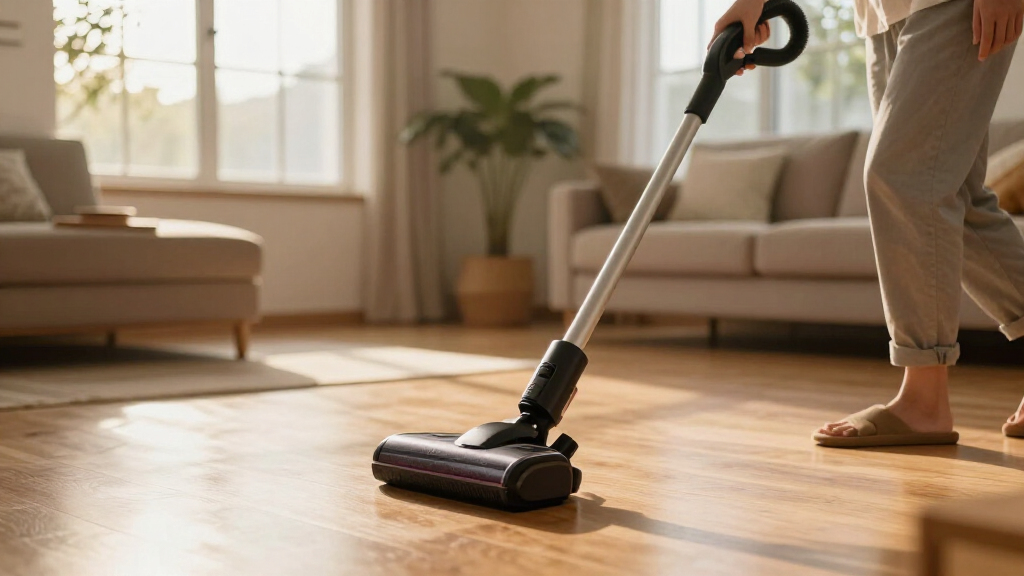
Imagine grabbing your vacuum with a single hand, zipping across your living room, and switching from hardwood to carpet with a push of a button. That’s the promise of a cordless stick vacuum. They’re lightweight, quick, and designed to make cleaning feel less like a chore.
If you’re tired of dragging around heavy cords or lugging a bulky upright, you’re not alone. These vacuums are rapidly becoming household staples. But not all cordless stick vacuums are created equal. Knowing what to look for can save you money and frustration. Today, you’ll learn what makes a good cordless stick vacuum, what features are worth your attention, and where to be cautious.
Prioritize battery life, weight, and bin size when choosing a cordless stick vacuum.
Recent models include smart features like sensors and self-emptying docks, but question their real-world usefulness.
Cordless vacuums excel for quick cleans and small spaces but may struggle in large homes or with thick carpets.
Regular maintenance of filters and brushes keeps performance high and extends your vacuum’s life.
Matching the vacuum’s features to your home’s needs prevents frustration and maximizes cleaning efficiency.
What Exactly Is a Cordless Stick Vacuum and Why It Matters
Cordless stick vacuums are lightweight, battery-powered cleaners that combine the reach of a stick with the convenience of a handheld. They usually have a slim, upright design, a motorized floor head, and a removable dust bin. Many models can switch into handheld mode, making them perfect for stairs, furniture, or car interiors.
Think of it as the Swiss Army knife of vacuums. You get quick pickups without plugging and unplugging, plus easy storage in a closet or under the stairs. They’re ideal for everyday quick cleans, especially in smaller homes or apartments.
However, they often have smaller dust bins and shorter runtimes compared to corded models. Still, their rise in popularity is undeniable, thanks to advancements in battery tech and smart features.
Understanding what makes a cordless stick vacuum essential involves recognizing the tradeoffs. Their lightweight and cordless design enable you to clean areas that are hard to reach or typically avoided with bulky vacuums. But, smaller dust bins mean you’ll need to empty more often, which can disrupt your cleaning flow, especially if you’re dealing with large debris or pet hair. Shorter battery life can also limit the duration of cleaning sessions, necessitating multiple recharges. The key is to balance convenience with these limitations based on your specific cleaning needs.
cordless stick vacuum with long battery life
As an affiliate, we earn on qualifying purchases.
As an affiliate, we earn on qualifying purchases.
What to Look for When Choosing a Cordless Stick Vacuum
Picking the right cordless stick vacuum isn’t just about suction power. Sure, numbers like 20-30 Air Watts sound impressive, but real-world performance depends on brush design, airflow, and filtration. These factors influence how effectively the vacuum can pick up dirt, hair, and debris across different surfaces, and how long it can maintain strong suction during a cleaning session.
Here’s what really matters:
- Cleaning performance: Can it handle your floors—hardwood, tile, or thick carpet? A vacuum with adjustable suction or specialized brushes can adapt to various surfaces, ensuring thorough cleaning without damaging delicate floors or underperforming on carpets. Ignoring this can lead to multiple cleaning passes or damage, which defeats the purpose of a quick, convenient device.
- Battery life: Look for a model that offers at least 30 minutes of runtime in the mode you’ll use most. Removable batteries are a bonus because they allow you to swap in a fresh one for extended cleaning sessions, reducing downtime. Poor battery life can be frustrating, forcing you to recharge mid-clean or limit your cleaning sessions altogether.
- Weight and balance: A vacuum that feels like a feather in your hand makes cleaning less tiring, especially during extended use. Heavy or poorly balanced models can cause fatigue and may discourage frequent use, undermining the convenience factor.
- Dust-bin capacity: Larger bins mean less frequent emptying, especially if you have pets or a bigger home. But, bigger bins can also add weight and bulk, so finding a good balance is key.
- Filtration: HEPA filters trap allergens and fine particles, which matters if you or your family have allergies or asthma. Effective filtration can improve indoor air quality, making your cleaning routine healthier for everyone.
- Ease of maintenance: Can you clean brushes and filters easily? Are replacement parts available? A vacuum that’s difficult to service will lead to neglect and eventual performance decline, defeating the purpose of a hassle-free device.
- Extras: LED lights, digital displays, and self-standing features make daily use smoother. These features can help you see dirt in dark corners, monitor battery life, or store the vacuum conveniently, saving time and effort during your cleaning routine.
Matching these features to your needs helps avoid buyer’s remorse and ensures your vacuum becomes a helpful tool, not a frustrating gadget. Prioritize what matters most—battery life, ease of use, and versatility—to make a choice that truly enhances your cleaning experience.
Latest Trends Making Cordless Vacuums Smarter and More Convenient
Manufacturers are pushing boundaries with features like removable batteries, automatic surface detection, and LED lighting. Some models now include sensors that adjust suction based on the floor surface, saving battery and improving cleaning efficiency.
Self-emptying docks have entered the scene, promising less fuss. They automatically empty your vacuum’s bin into a larger bag or container, ideal for pet owners or heavy-duty cleaning.
Take the Dyson V15 Detect, for example. It has a laser that reveals hidden dust, plus an LCD screen showing real-time performance stats. These innovations aren’t just flashy; they make everyday cleaning smarter and more satisfying.
But remember, extra features often add cost and complexity. Consider whether these gadgets truly improve your cleaning routine or if they’re just bells and whistles. For instance, while automatic surface detection can optimize cleaning, it may also drain the battery faster or lead to unnecessary power use if not used wisely. Similarly, self-emptying docks are convenient but can be bulky and expensive, making them less suitable for small spaces. Weigh the benefits of these innovations against their potential drawbacks and your actual cleaning habits to decide if they add value in your home environment.
Limitations and Real-World Use: When a Cordless Stick Vacuum Might Not Be Enough
Cordless stick vacuums excel for quick cleans and small spaces. But if you have a large home, thick carpets, or heavy daily dirt, they might fall short. Their batteries drain faster with powerful suction or long sessions, and small dust bins fill up quickly.
Imagine trying to clean a 2,000-square-foot house with a vacuum that runs only 15-20 minutes per charge. It’s frustrating. You’ll need to stop, empty the bin, recharge, and restart. That’s where corded or larger-capacity models shine. The tradeoff is that corded models are less maneuverable and take longer to set up, but they often provide continuous power and larger bins, making them better suited for extensive cleaning tasks.
Battery aging is another concern. After about 2-3 years, capacity drops. You might find yourself buying replacement batteries, which can be costly and sometimes tricky to find. This long-term cost and maintenance factor should be considered when choosing between models—sometimes investing in a more robust corded or larger-capacity cordless vacuum pays off in the long run.
Understanding the difference between maximum runtime (the longest it can go on a low-power setting) and usable runtime (what you actually get during regular cleaning) is key to choosing wisely. For larger homes or heavy-duty cleaning, a vacuum with longer runtime or the ability to swap batteries can prevent interruptions and make your cleaning more efficient.
The 5 Best Features to Prioritize for Your Home
Not all features are created equal. Here are the top five that make a real difference in everyday cleaning:
- Battery life: Aim for at least 30 minutes in your most-used mode. Longer battery life reduces interruptions, especially for larger or more cluttered spaces.
- Weight and balance: A well-balanced vacuum feels like an extension of your arm, not a burden. This reduces fatigue during longer cleaning sessions and improves maneuverability around furniture and tight corners.
- Filtration: HEPA or sealed systems trap allergens and fine particles, which is crucial for maintaining indoor air quality, especially if anyone in your household has allergies or respiratory issues.
- Dust bin size: Larger bins mean less frequent emptying, saving time during cleaning. For households with pets or lots of debris, this can significantly improve efficiency, but ensure the size doesn’t compromise ease of handling.
- Ease of maintenance: Quick-access brushes, filters, and simple disassembly prevent neglect and ensure consistent performance. Easy maintenance encourages regular upkeep, extending your vacuum’s lifespan and maintaining suction power.
Prioritize these, and you’ll get a cordless vacuum that fits seamlessly into your routine, not one that causes new frustrations. Balancing these features based on your specific needs—such as allergy concerns, home size, and user strength—will lead to a more satisfying cleaning experience.
How to Get the Most Out of Your Cordless Stick Vacuum
Maximize your vacuum’s potential with these simple steps:
- Charge fully before use: Always start with a full battery for longer run times. A depleted battery can reduce efficiency and increase the number of recharges needed.
- Use the right attachment for the job: Switch to a crevice tool for tight corners or a motorized brush for carpets. Using the correct tool prevents damage and ensures optimal dirt pickup.
- Clean filters regularly: Check your manual, but typically once a month keeps suction high. Dirty filters restrict airflow, decreasing suction and battery efficiency.
- Empty the bin often: Don’t wait until it’s overflowing; small jobs can fill it quickly. Regular emptying maintains suction and prevents clogging.
- Store properly: Keep it upright and in a dry spot to preserve battery life and maintain performance. Proper storage avoids damage and ensures readiness for the next cleaning session.
For example, a pet owner might keep a crevice tool handy for hair stuck in corners and a wide floor head for quick living room cleans. Small habits like these extend your vacuum’s lifespan and boost cleaning efficiency. Over time, these practices help you develop a routine that ensures your vacuum performs at its best, saving you time and effort in the long run.
Quick Comparison: Top 3 Cordless Stick Vacuums in 2024
| Model | Battery Life | Suction Power | Weight | Special Features |
|---|---|---|---|---|
| Dyson V15 Detect | Up to 60 min | 230 AW | 6.8 lbs | Laser dust detection, LCD display |
| Shark Stratos | Up to 50 min | 200 AW | 7.5 lbs | Self-emptying dock, LED lights |
| Black+Decker Powerseries | Up to 40 min | 180 AW | 5.7 lbs | Removable battery, affordable price |
This table shows how different models compare in key areas. The Dyson V15 stands out for battery life and power, but the Black+Decker offers exceptional portability for quick chores, and the Shark packs smart features into a mid-range price.
Frequently Asked Questions
How long does a cordless stick vacuum run on a single charge?
It varies by model, but most offer between 30 to 60 minutes of runtime in low-power modes. Using higher suction settings or motorized tools will drain the battery faster. Always check the manufacturer’s specs for your specific model to match your cleaning needs.
Are cordless stick vacuums strong enough for thick carpets?
Many handle low-pile carpets and rugs well, especially models with adjustable suction and motorized brushes. Thick or high-pile carpets may require more sustained power, so compare independent test results and look for models rated for heavier-duty cleaning if you have dense carpets.
Can a cordless stick vacuum replace a traditional corded one?
For small homes or quick daily pickups, yes. But in larger homes with extensive carpet or heavy dirt, a corded vacuum might still be more practical due to longer run times and bigger bins. Consider your home size and cleaning frequency before making the switch.
Are they good for pet hair?
Yes, especially models with motorized brush heads designed for pet hair. Look for features like hair removal brushes and good filtration. Regularly cleaning the brush roll prevents hair buildup and maintains suction.
How often should I empty the dust bin?
It depends on your usage. Small bins fill quickly, especially with pets or dirt-heavy floors. Check and empty the bin after each significant cleaning session to keep suction strong and airflow unobstructed.
Conclusion
Choosing the right cordless stick vacuum is about more than just raw power. It’s about finding a lightweight, smart, and reliable tool that fits your daily routine. Think about your home, your cleaning habits, and what features will truly make life easier.
Invest a little time now, and you’ll enjoy effortless cleaning with a device that feels like an extension of your hand. The right vacuum isn’t just a gadget; it’s your new cleaning partner, ready to tackle messes with a flick of the wrist.
Fall Picks
fall essentials
As an affiliate, we earn on qualifying purchases.