TL;DR

Get cleaning gear delivered free — and shop member deals
- Fast, free delivery on millions of items
- Access to Prime Big Deal Days deals on October 6–7
- Prime Video, Amazon Music and more included
Cordless stick vacuums are lightweight, flexible cleaning tools that convert into handhelds. They excel for quick pickups and small spaces but vary in power, runtime, and features. Choosing the right one depends on your flooring, debris, and cleaning habits.
Ever grab a vacuum expecting it to be a powerhouse, only to find it struggles with pet hair or hard floors? That’s where cordless stick vacuums change the game. They’re lightweight, versatile, and ready to tackle quick messes without dragging out a heavy cord.
But not all cordless vacuums are created equal. Some excel on hardwood, others on pet hair, and a few might surprise you with their battery life or accessories. In this article, you’ll learn what makes a good cordless stick vacuum, how to match one to your home, and the key features to watch for. Whether you’re tidying up daily or tackling stubborn dirt, understanding these details helps you choose with confidence.
Choose a model with a good balance of suction, airflow, and brush design for effective cleaning.
Removable batteries and fast chargers extend your cleaning sessions and convenience.
Prioritize filters and dust bins that suit your allergy needs and cleaning frequency.
A convertible design lets you easily switch from floor to handheld for versatile cleaning.
Compare real-world performance reviews and independent tests, not just marketing claims.
What Makes a Cordless Stick Vacuum Really Good?
A great cordless stick vacuum isn’t just about suction numbers. It’s the combination of airflow, brush design, and how well it handles different surfaces. For example, a model with a motorized brush that adapts to hard floors and carpets will clean more effectively than one relying solely on suction.
Imagine cleaning a cluttered living room. The vacuum’s weight, balance, and maneuverability matter because they directly influence how efficiently and comfortably you can clean. A lightweight model with a swivel head reduces fatigue and allows you to reach tight spaces easily. Additionally, a user-friendly trigger or on/off button enables you to control your cleaning session without unnecessary effort, which is crucial during longer cleaning tasks.
Real-world tests show that models with a sealed filtration system and HEPA filters trap tiny particles better, which is especially important for allergy sufferers. Consider how the vacuum handles pet hair on upholstery and stairs, as these are often challenging areas. A good model should easily pick up fur without tangling, and the dustbin should be simple to empty without releasing dust back into the air, maintaining a healthier environment.
In essence, the features that translate into real cleaning power are those that improve efficiency, reduce user fatigue, and ensure thorough dirt and allergen removal. Balancing suction, maneuverability, and filtration is key to a vacuum that performs well in everyday conditions.
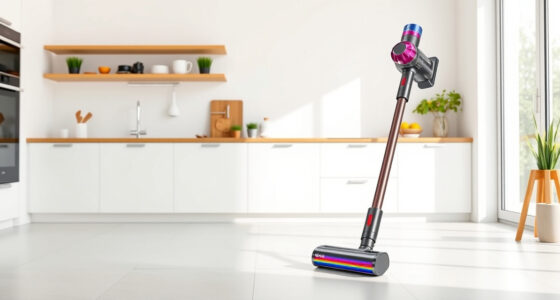
cordless stick vacuum with removable battery
As an affiliate, we earn on qualifying purchases.
As an affiliate, we earn on qualifying purchases.
Battery Life and Charging: What You Need to Know
Most cordless stick vacuums boast between 20 to 60 minutes of runtime per charge. But don’t trust the advertised numbers blindly. Real-life use often drains batteries faster, especially on high power or when using motorized tools, which are typically more demanding on the battery. This discrepancy matters because it influences how many rooms or how much area you can clean before needing a recharge.
For instance, a popular model might advertise 40 minutes on low power, but in practice, you might only get 15 minutes when you engage the motorized brush and max suction. This often leads to incomplete cleaning sessions or the need for multiple recharges, which can be inconvenient. Therefore, considering models with removable batteries is advantageous. They allow you to swap in a fresh battery and continue cleaning without waiting, effectively extending your cleaning time and reducing downtime.
Charging times vary from 3 to 6 hours, and some models offer wall-mounted cradles that enable charging while the vacuum is stored, which simplifies maintenance. If your home is large or you have pets that generate a lot of debris, investing in a second battery becomes a practical choice. It ensures that you can complete more extensive cleaning tasks without interruption, which is especially useful in busy households.
Understanding these tradeoffs helps you plan your cleaning routine better. A longer runtime reduces the need for multiple trips to recharge, but it often comes with a higher upfront cost for additional batteries. Balancing your cleaning needs with these factors ensures you pick a model that offers both convenience and efficiency.
How Well Do They Handle Carpets and Hard Floors?
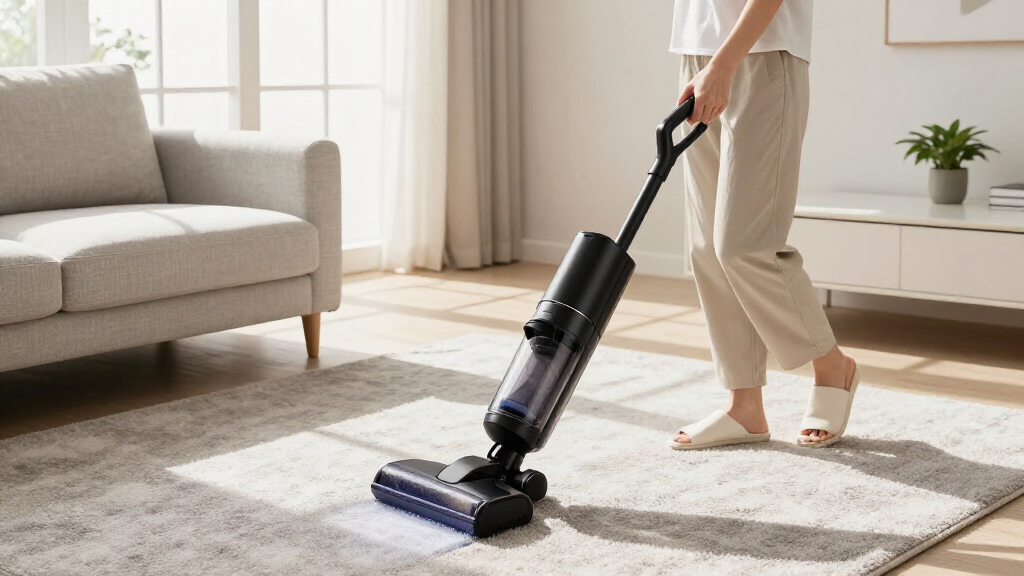
Many cordless stick vacuums perform admirably on hard floors and low-pile carpets because these surfaces require less power and less aggressive brush action. However, thick, plush carpets demand more power and often a better brush system to prevent the vacuum from simply pushing debris around instead of lifting it. If you try to vacuum a shaggy rug with a model designed primarily for hard surfaces, it’s like using a broom instead of a vacuum—ineffective and frustrating.
Some models feature adjustable height settings or intelligent sensors that detect the surface type and automatically optimize suction and brush speed. For example, a vacuum with a smart sensor can increase suction when it senses deep pile or embedded pet hair, ensuring a more thorough clean without manual adjustments. This adaptability reduces the need for user intervention and helps maintain consistent cleaning performance across different surfaces.
In real-world testing, models equipped with anti-tangle brush rolls and airflow-enhancing designs outperform cheaper alternatives on challenging carpets. On hardwood floors, look for a floor head that controls debris scatter and prevents scratching, as damage or scattered debris can compromise the cleaning process. Overall, reading reviews and tests specific to your flooring types is essential because what works well on one surface might underperform on another. Understanding these nuances ensures you choose a vacuum that meets your specific cleaning needs and avoids costly mismatches.
Frequently Asked Questions
Are cordless stick vacuums as powerful as corded vacuums?
Some cordless models rival corded vacuums in power, especially newer, high-end brands. However, they often sacrifice runtime for suction strength. For deep cleaning large carpets, a corded vacuum still has advantages, but for quick pickups and hard floors, modern cordless stick vacuums excel.
How long does the battery really last?
Actual runtime varies based on mode, floor type, and battery age. Expect 15-40 minutes in typical use. Investing in models with removable batteries ensures you can swap a fresh one for uninterrupted cleaning.
Can they clean carpets effectively?
Yes, many perform well on low to medium-pile carpets. For thick, plush rugs, look for models with adjustable suction and anti-tangle brushes. Read reviews and tests specific to your carpet type before buying.
Are they suitable for pet hair?
Most are, especially if they feature motorized brushes designed to reduce hair wrap and strong suction. Regularly cleaning the brush roll and filters helps maintain performance on fur-covered furniture and stairs.
Do cordless vacuums need bags?
Most are bagless, with a dustbin that’s easy to empty. This saves money on replacements but requires frequent emptying in homes with pets or lots of dust. Check how simple it is to clean and maintain the dust container.
Conclusion
In the end, a cordless stick vacuum should make your daily cleaning faster and easier. Focus on what surfaces you have, how much time you spend cleaning, and your household needs.
Pick one that feels right in your hand, matches your routine, and keeps your home spotless with less fuss. The right vacuum can turn a chore into a quick, satisfying task—leave the heavy lifting to the technology.
Fall Picks
fall essentials
As an affiliate, we earn on qualifying purchases.