
TL;DR
A Hunker report describes citric acid as an alternative to vinegar for removing mineral scale that can block showerhead openings and disrupt water flow. It recommends a two-tablespoon-to-two-cup solution and a one-to-two-hour soak, while warning against using it on aluminum, copper or brass fixtures.
A Hunker cleaning guide recommends diluted citric acid, rather than relying only on vinegar or baking soda, to loosen mineral deposits that can block showerhead openings and interrupt water flow. The report gives a mixture of two tablespoons of powder in two cups of water, but cautions that the method is unsuitable for showerheads made of aluminum, copper or brass.

Get cleaning gear delivered free with Prime
- Fast, free delivery on millions of items
- Prime Video, Amazon Music and more included
- Member-only deals all year
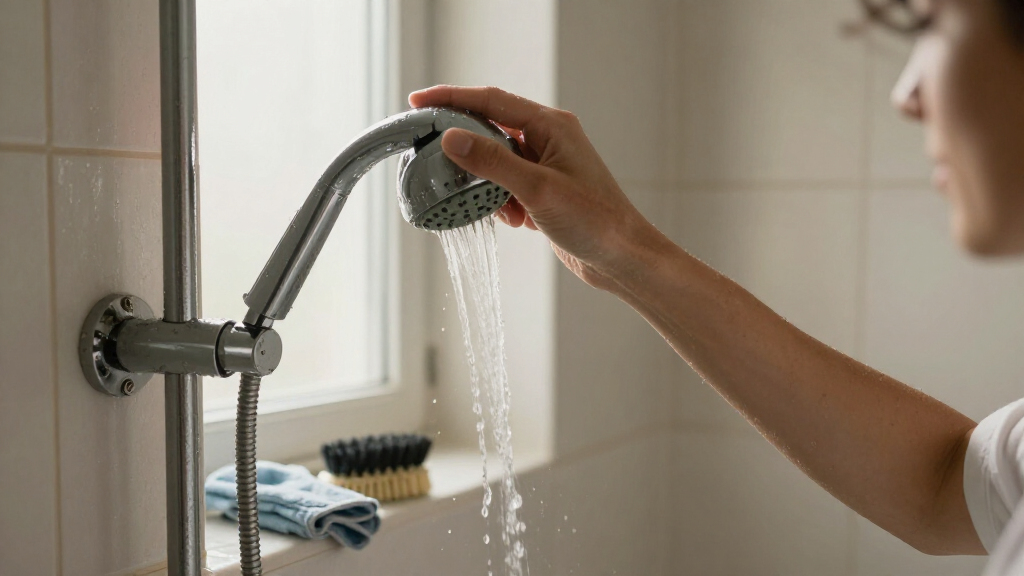
The guide says deposits left by hard water can clog showerhead openings, producing uneven or reduced flow. It proposes soaking a compatible showerhead in the citric acid mixture for about one to two hours. A removable head can be placed in a bowl or bucket; a handheld showerhead can be lowered into a container without disconnecting its hose, according to the report.
For a fixed showerhead, the guide describes filling a plastic bag with the solution and securing it around the fixture so the spray holes remain submerged. After soaking, it recommends rinsing and scrubbing the head. A toothpick can be used to clear openings where debris remains, since the report says not every blockage necessarily comes from mineral scale.
Hunker presents citric acid as a stronger descaling option than vinegar and says the powdered form lets users adjust the mixture. Those are the report’s descriptions, not findings from a cited comparative test. Its guidance also says to mix the solution in a plastic, ceramic or glass container, rather than one made of aluminum or another reactive metal.
Restoring Flow Without Replacing Fixtures
Blocked spray holes can make a shower feel weak or uneven, leading people to spend more time under running water, the Hunker report says. Clearing deposits may restore a more consistent spray without immediately replacing the showerhead, though the source does not provide measured water savings or test results showing how much flow changes after cleaning.
The practical value is in matching the cleaner to the fixture. Citric acid may help with mineral scale, but using an acidic solution on a material the report identifies as vulnerable could damage the finish or metal. Checking what the showerhead is made of before soaking it is therefore part of the method, not an optional detail.
Products Worth Considering

Ring Alarm 8-Piece Kit (Newest Model) – Home Security System

Arlo Pro 2K HDR Wireless Security Camera (6th Gen), 4-Camera Kit

Ring Alarm 14-Piece Kit
As an affiliate, we earn on qualifying purchases.
Why Mineral Scale Blocks Spray Holes
Hard water contains dissolved minerals that can accumulate as deposits around small showerhead openings. As the openings become obstructed, water may spray unevenly or at lower pressure. The Hunker article frames this as a household maintenance problem and compares citric acid with vinegar, another acidic cleaner often used to loosen scale.
The source also notes that powdered citric acid is commonly used as a cleaning staple in Japan and is available as a food-grade product in North America. It does not cite market data or a specific study to support its comparison of cleaning strength, and its suggested soak time is guidance from the article rather than a guarantee for every fixture or degree of buildup.
““mix two tablespoons of citric acid powder in two cups of water””
— Hunker report
Material Compatibility and Cleaning Results
The report does not identify a tested brand or model of showerhead, quantify the improvement in water pressure, or compare citric acid and vinegar under controlled conditions. Its claims about relative descaling strength and the expected one-to-two-hour result should be read as household guidance, not a universal performance guarantee.
It is also not clear from the source how to identify the material of an older or coated fixture, or what concentration is safe for every finish. Mineral deposits may not be the only cause of poor flow, and the article acknowledges that debris can remain after soaking. If the showerhead material or manufacturer instructions are unclear, users should check those instructions before applying an acidic cleaner.
Check the Fixture Before Soaking
The next step for anyone considering the method is to identify the showerhead material and consult its care instructions. If the fixture is compatible, the report’s approach is to prepare the diluted solution in a nonmetallic container, soak for the stated period, then rinse and inspect the spray holes. Any remaining blockage may need gentle manual cleaning.
The source offers no follow-up testing or scheduled update. Whether cleaning restores the desired flow will depend on the fixture and the cause of the problem; the article does not establish that citric acid will address low pressure caused by plumbing or other issues.
Key Questions
What mixture does the Hunker guide recommend?
It recommends two tablespoons of citric acid powder mixed with two cups of water for soaking a compatible showerhead.
How long should a showerhead soak?
The report suggests about one to two hours. It does not guarantee that every showerhead or level of buildup will respond in that time.
Which showerhead materials should not be soaked in citric acid?
The guide warns against using the solution on aluminum, copper or brass, saying it can cause corrosion. Check the fixture’s care instructions if its material is uncertain.
What should you do if spray holes remain blocked?
Hunker recommends rinsing and scrubbing after the soak, then using a toothpick to dislodge remaining debris. The report notes that a blockage may be caused by something other than mineral deposits.
Source: rss