Exploring Caucasian rugs reveals vibrant patterns that reflect regional stories and cultural identities, often featuring bold geometric designs created with skilled knotting techniques. These rugs use natural dyes that develop a beautiful patina, symbolizing meanings like protection or importance. Authenticity depends on craftsmanship, knotting, and dyeing methods, which showcase centuries of tradition. By understanding these elements, you gain a deeper appreciation for their cultural significance and craftsmanship. If you keep exploring, you’ll discover even more about their fascinating origins and artistry.
Key Takeaways
- Caucasian rug patterns feature bold geometric motifs that symbolize cultural stories and regional traditions.
- Knotting techniques, such as asymmetrical knots, influence pattern detail and indicate craftsmanship quality.
- Natural dyes from plants, minerals, and insects give vibrant, culturally significant colors like red and blue.
- Specific patterns and colors reflect tribal identities and beliefs, aiding in determining provenance.
- Authentic Caucasian rugs showcase intricate craftsmanship and natural dyes, ensuring durability and historical value.

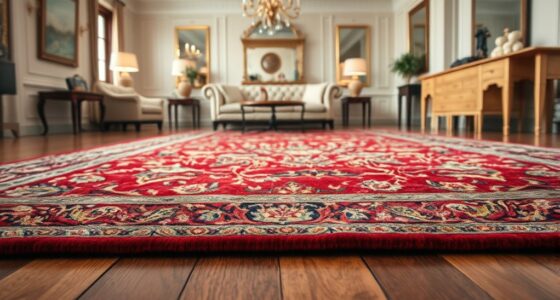
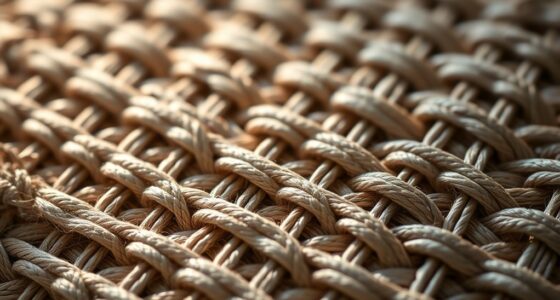
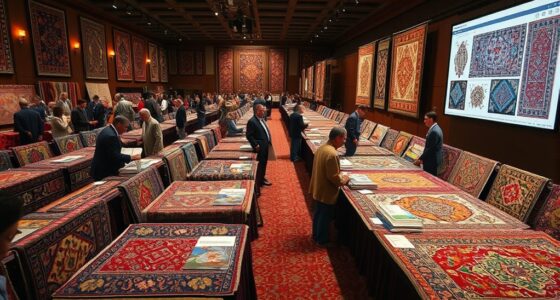
Caucasian rugs are renowned for their bold geometric patterns and vibrant colors, making them a striking addition to any home decor. When you examine these rugs closely, you’ll notice that their distinctive designs are not just random shapes but carefully crafted symbols that often reflect the cultural stories and traditions of the regions where they originate. Behind these mesmerizing visuals lie centuries of craftsmanship, built on specific knotting techniques that define their durability and appearance. You’ll find that the way the knots are tied—whether asymmetrical or symmetrical—directly influences the rug’s texture and overall complexity. For example, the asymmetrical knots used in many Caucasian designs allow for more detailed, intricate patterns, giving each piece a unique character. Understanding these knotting techniques helps you appreciate the skill involved in each rug’s creation, as well as its potential longevity. Utilizing these techniques enhances the rug’s aesthetic appeal and durability, making it a valuable piece for generations to come. The dyeing processes used in Caucasian rug making are equally significant. You’ll notice that the vibrant reds, deep blues, and rich earth tones come from natural dyes, meticulously prepared from plant extracts, minerals, and insects. These dyeing processes are essential because they determine the richness and stability of the colors. Traditional artisans carefully control the dyeing, often immersing the wool multiple times to achieve the perfect hue. This technique results in colors that not only stand out but also age beautifully over time, developing a lovely patina that adds to the rug’s charm. The dyeing process is closely linked to the cultural identity of each tribe, with specific colors holding symbolic meanings—red for life, blue for protection, and so on. Because these dyes are often natural, they tend to fade gracefully, giving the rug a timeless appeal. When you’re choosing a Caucasian rug, understanding the knotting techniques and dyeing processes helps you evaluate its authenticity and craftsmanship. A well-made rug will have tight, even knots, showing the artisan’s skill and attention to detail. The color application should be consistent yet rich, with subtle variations indicating natural dyes. Recognizing these elements allows you to distinguish between genuine handmade pieces and imitations. Whether you’re a collector or simply an admirer, appreciating these technical aspects enhances your enjoyment. Ultimately, it’s the mastery of knotting techniques and the careful dyeing processes that give Caucasian rugs their remarkable beauty, durability, and cultural significance—making each piece not just a decorative item, but a piece of living history.
Frequently Asked Questions
How Can I Authenticate an Antique Caucasian Rug?
To authenticate an antique Caucasian rug, examine the knots per inch, which indicates quality and age. Look closely at the weaving techniques, such as intricate detailing and hand-spun wool. Authentic rugs often have uneven knots and slight imperfections, showing they were handmade. Research regional patterns and provenance, and consult with an expert or appraiser for a thorough assessment. Your careful inspection helps confirm its authenticity and value.
What Are the Most Common Dyes Used in Caucasian Rugs?
You’ll notice that natural dyes are most common in authentic Caucasian rugs, giving them rich reds from madder and deep blues from indigo. Synthetic dyes may also be present in more recent pieces, but they tend to fade faster and lack the depth of natural colors. When examining a rug, look closely at the colors, as natural dyes usually show subtle variations, helping you identify genuine Caucasian craftsmanship.
How Do Regional Differences Affect Rug Value?
You might think all Caucasian rugs hold the same value, but regional craftsmanship and market demand tell a different story. Regional differences, like unique weaving techniques and local materials, markedly influence a rug’s worth. When market demand shifts, so does value, often making a rare, well-crafted piece from a specific region a prized collector’s item. Ironically, what’s rare and regional can sometimes be undervalued until sought after.
What Maintenance Practices Preserve Caucasian Rugs Best?
To preserve your Caucasian rug, use gentle cleaning techniques like vacuuming regularly without the beater bar to prevent damage. Spot clean with mild, pH-neutral solutions and avoid harsh chemicals. When storing, roll the rug rather than folding to prevent creases, and keep it in a cool, dry place away from direct sunlight. Using breathable materials for storage helps maintain its colors and fibers over time.
Are Modern Reproductions Distinguishable From Vintage Pieces?
Modern reproductions can often be distinguished from vintage Caucasian rugs by examining weaving techniques and color fading. Reproductions may use machine weaving, resulting in less intricate details, while vintage pieces showcase handwoven craftsmanship. Additionally, authentic rugs tend to develop natural color fading over time, giving them a unique patina. By closely inspecting these elements, you can identify whether a rug is a genuine vintage piece or a modern reproduction.
Conclusion
So, next time you admire a Caucasian rug’s intricate patterns, remember—they’re not just pretty decorations but stories woven through time. Ironically, what looks like chaotic artistry actually follows centuries-old traditions and meticulous craftsmanship. So, enjoy the beauty, but don’t be surprised if you find yourself lost in a maze of history, realizing you’ve just fallen for a centuries-old, beautifully spun illusion. Sometimes, the most intricate designs hide the simplest truths.