Experts determine your rug’s value by analyzing craftsmanship, such as knot density and pattern detail, to verify quality. They examine dye types—natural or synthetic—to establish age and origin. Conditions like damage or repairs affect worth, while rarity and provenance add value. Technical tests confirm authenticity and age. Combining these factors helps reveal your rug’s true market worth. Want to learn how these methods come together? Keep exploring for a thorough understanding.
Open a free Amazon Business account
Business pricing, bulk buying and tax-exempt orders.
As an affiliate, we earn on qualifying purchases.
Key Takeaways
- Experts examine weaving techniques, knot density, and pattern consistency to assess craftsmanship and origin.
- Dye analysis identifies age and geographic origin, distinguishing natural from synthetic dyes.
- Condition, repairs, rarity, and provenance are evaluated to determine overall value and authenticity.
- Technical tests confirm dye authenticity, age, and origin, supporting accurate valuation.
- The appraisal synthesizes craftsmanship, dye analysis, condition, rarity, and provenance for a comprehensive valuation.
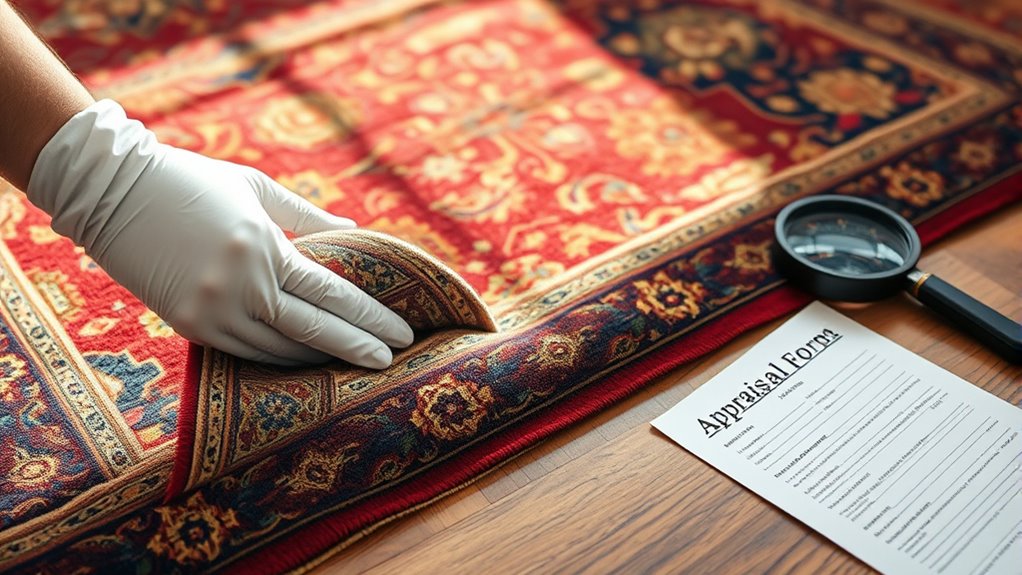
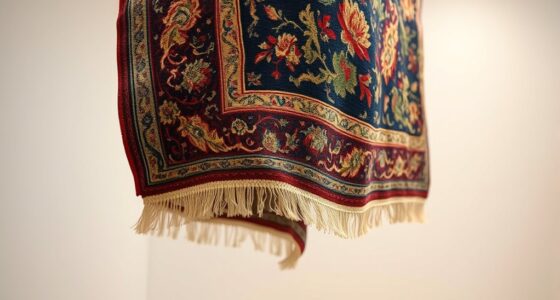
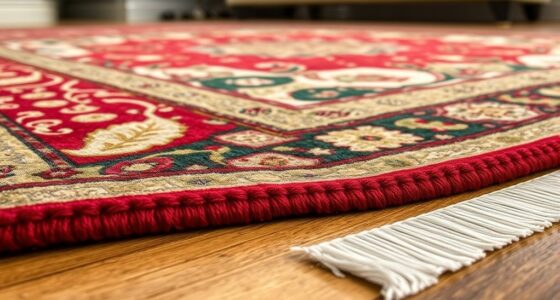
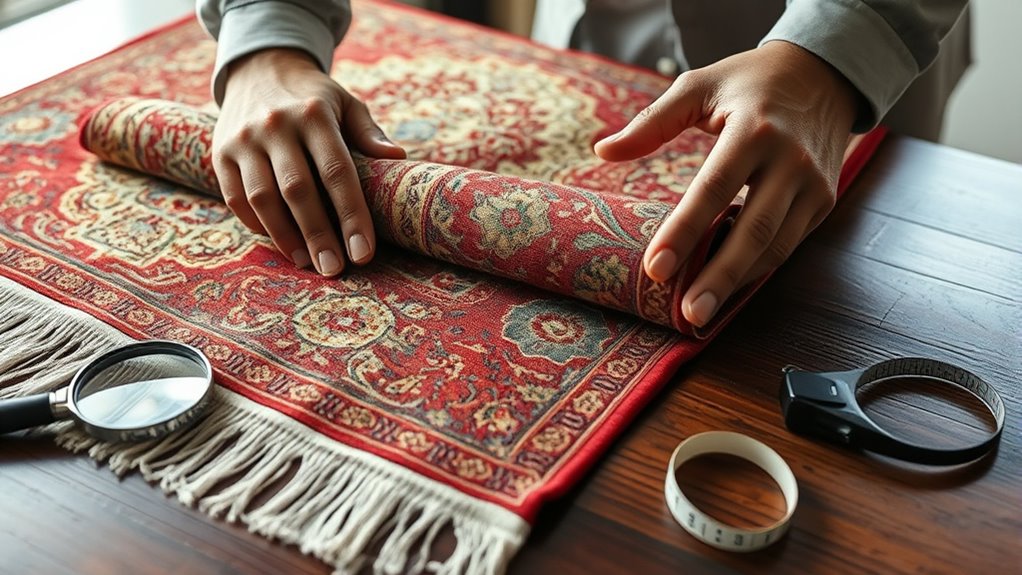
Ever wondered how to determine the true value of your rug? It’s a question many collectors and homeowners ask, and the answer lies in a careful evaluation of several key factors. When experts appraise a rug, they start by examining its craftsmanship, including weaving techniques. These techniques reveal much about the rug’s origin, age, and quality. For example, hand-knotted rugs often feature intricate, tightly woven patterns that are difficult to replicate, indicating higher craftsmanship and value. Conversely, rugs with machine-made weaves tend to be less valuable. The way threads are intertwined, the knot density, and the pattern consistency all serve as clues to the rug’s provenance and authenticity.
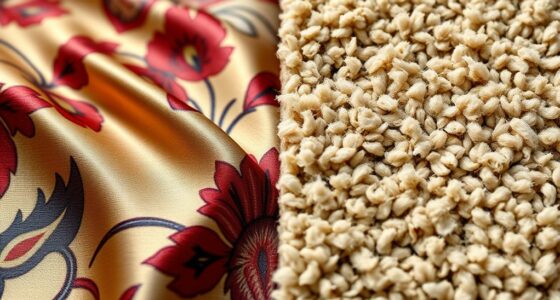
Dye analysis is another essential aspect of a professional appraisal. The dyes used in a rug can tell experts a lot about its age and geographic origin. Natural dyes, derived from plants, minerals, or insects, tend to fade gradually over time, giving the rug a distinctive patina that collectors prize. Synthetic dyes, introduced in the 19th century, often appear brighter and more uniform, but they can also diminish a rug’s value if the rug is older or considered antique. Skilled appraisers often perform microscopic or chemical tests to identify the dyes, helping them establish a timeline and authenticate the piece. This process not only confirms the age but also verifies whether the dyes are original or have been altered or replaced, which can profoundly impact the rug’s worth.
Additionally, understanding the dye analysis process can help determine whether the dyes are consistent with the rug’s purported age and origin. As you consider the value of your rug, understanding how weaving techniques and dye analysis play a role can give you a clearer picture of its importance. These technical assessments are combined with other factors like condition, rarity, and provenance to arrive at an accurate valuation. If your rug shows signs of expert craftsmanship through tight knots and detailed weaving, and if the dyes are consistent with its supposed age and origin, it’s likely to command a higher price. Conversely, inconsistencies or signs of repair can lower its value, regardless of age or origin. Ultimately, a professional rug appraisal synthesizes all these elements, giving you a broad understanding of your rug’s true worth.

Hand Knotted Persian Rug, Traditional Carpet, Area Rug,Size 8×10 Feet
- Crafted by Skilled Artisans: Hand knotted for quality and uniqueness
- Premium Material Composition: 80% New Zealand wool, 20% cotton
- Luxurious and Durable: Soft feel with strong cotton foundation
As an affiliate, we earn on qualifying purchases.
As an affiliate, we earn on qualifying purchases.
Frequently Asked Questions
How Often Should I Get My Rug Appraised?
You should get your rug appraised every 3 to 5 years to guarantee accurate antique preservation and material authenticity. Regular appraisals help identify any damage or changes that could affect its value. If you’ve recently restored or acquired an antique rug, consider more frequent checks. This keeps you informed about its worth and maintains its condition, ensuring your investment remains protected and authentic over time.
What Factors Influence the Appraisal Value Most?
You should know that weaving techniques and dye analysis most influence a rug’s appraisal value. Skilled craftsmanship and intricate weaving often increase worth, while vibrant, well-preserved dyes enhance appeal. Experts examine these factors closely, as unique or rare techniques and authentic dyes signal quality and authenticity. By understanding how weaving techniques and dye analysis impact value, you can better appreciate your rug’s true worth and guarantee proper appraisal.
Can a Rug Appraisal Be Used for Insurance Purposes?
Yes, a rug appraisal can be used for insurance purposes. It provides documented proof of your rug’s value, which is essential when filing a claim. Before submitting it, consider antique restoration or professional rug cleaning to enhance its condition and value. An accurate appraisal guarantees you’re adequately covered, especially if your rug is rare or valuable, giving you peace of mind knowing it’s properly protected.
How Do I Prepare My Rug for an Appraisal?
To prepare your rug for an appraisal, start with gentle cleaning tips like vacuuming both sides to remove dirt and debris. Avoid harsh chemicals that could damage the fibers. If needed, consider restoration options such as professional cleaning or minor repairs to enhance its condition. Keep the rug flat and avoid folding or creasing it, and gather any provenance or maintenance records to provide your appraiser with complete information.
What Are Common Mistakes to Avoid During Appraisal?
Avoid valuation pitfalls by providing accurate, detailed information about your rug, like its history and condition. Don’t assume appraisal misconceptions, such as overestimating its value based on aesthetics alone. Refrain from hiding damages or repairs, as experts see through these. Be honest and transparent, and ask questions if unsure. This helps ensure a fair appraisal, preventing costly mistakes and ensuring you get the true value of your rug.
Conclusion
Don’t worry if you’re unsure about your rug’s value—experts use proven methods to provide accurate appraisals. Remember, getting an appraisal isn’t just about knowing its worth; it helps you protect and potentially sell your rug at the right price. Even if you’re new to rug collecting, a professional appraisal gives you confidence and clarity. So, trust the experts, and turn your rug into a valuable asset you can confidently showcase or pass down.
Back to school Picks
back to school
As an affiliate, we earn on qualifying purchases.