When you see ‘New Zealand Wool’ on a rug, it indicates the wool comes from New Zealand’s high-quality sheep, known for clean, natural fibers. However, the label alone doesn’t guarantee the wool’s grade or durability. Wool quality varies based on fiber diameter and processing standards. To truly understand a rug’s strength, softness, and longevity, it helps to explore what wool grading entails—so, keep exploring to make the best choice.
Key Takeaways
- ‘New Zealand Wool’ indicates origin and purity but does not specify the wool’s grade or fiber quality.
- Wool grades depend on fiber diameter, length, and cleanliness, affecting softness, durability, and overall rug quality.
- Higher-grade wool (like Merino) offers softer, more durable fibers, while coarser wool is more rugged but less plush.
- The ‘New Zealand Wool’ label alone does not guarantee a top-grade rug; processing, grading, and craftsmanship are critical factors.
- Always check specific grading details and wool quality standards, not just the label, to ensure rug longevity and feel.
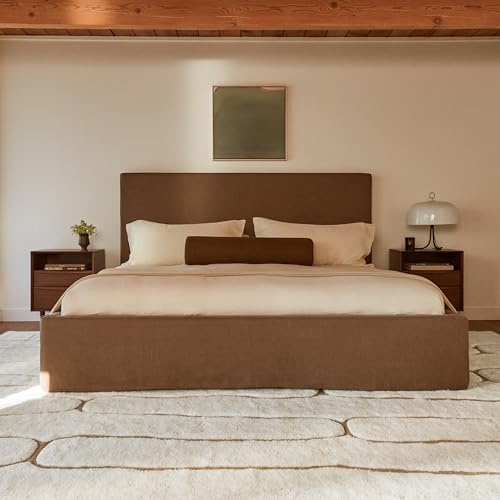
Rugs USA Nazco Cream, 6' x 9', Handmade, Abstract, New Zealand Wool, Soft and Cozy, High Traffic, Stain Resistant, Easy Clean, Durable Runner for Bedroom, Living Room, Dining, Den, Foyer
100% New Zealand Wool, made in India
As an affiliate, we earn on qualifying purchases.
As an affiliate, we earn on qualifying purchases.
What Does ‘New Zealand Wool’ Mean in Rug Quality?
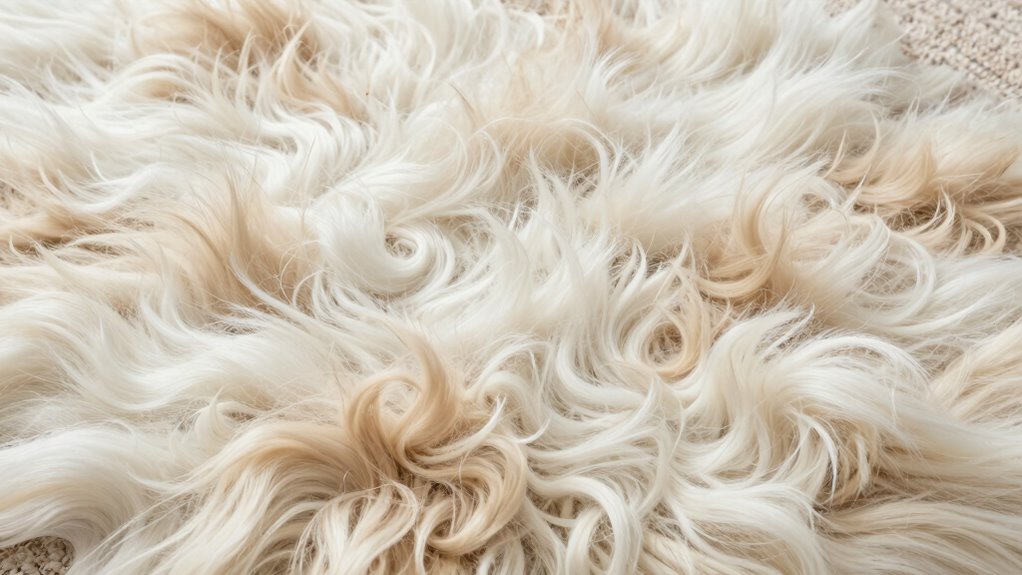
Have you ever wondered what makes ‘New Zealand Wool’ a desirable quality in rugs? It’s not just a marketing slogan; it’s a mark of high purity and natural softness. Unlike synthetic blends, which combine man-made fibers with wool, genuine New Zealand Wool is 100% natural, offering superior durability and comfort. Manufacturers highlight this in their marketing slogans to emphasize authenticity and quality. The reputation stems from New Zealand’s strict sheep-rearing standards and pristine environment, ensuring the wool’s purity. This quality appeals to consumers seeking eco-friendly, long-lasting rugs. When you see ‘New Zealand Wool’ on a product, it signals a premium material that’s been carefully sourced and processed, delivering the natural benefits of wool without the compromises of synthetic blends.

Srugn Washable Rugs 6×9 Area Rugs for Living Room,Rugs for Bedroom, Large Carpets,Ultra Soft Faux Wool Retro Dining Room Rug,Non Slip&Non-Shedding Low Pile Vintage Print Rug Indoor for Home Office
CUSHIONED AND SOFT: Washable rugs might already exist, but none are as luxurious to touch as ours. More…
As an affiliate, we earn on qualifying purchases.
As an affiliate, we earn on qualifying purchases.
Understanding Wool Grades in New Zealand Wool Rugs
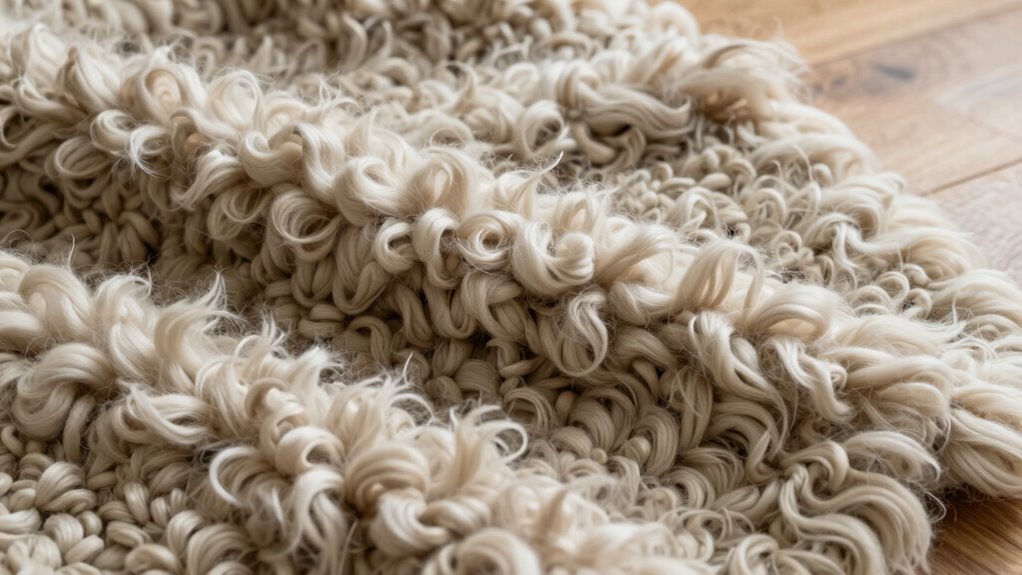
Understanding wool grades in New Zealand wool rugs helps you choose the right quality for your space. Wool quality classifications and grading standards directly impact a rug’s durability and appearance. By recognizing these factors, you can make informed decisions that ensure your rug lasts for years. Additionally, embracing diversity in industry standards promotes more inclusive and representative practices within the fashion and beauty industries.
Wool Quality Classifications
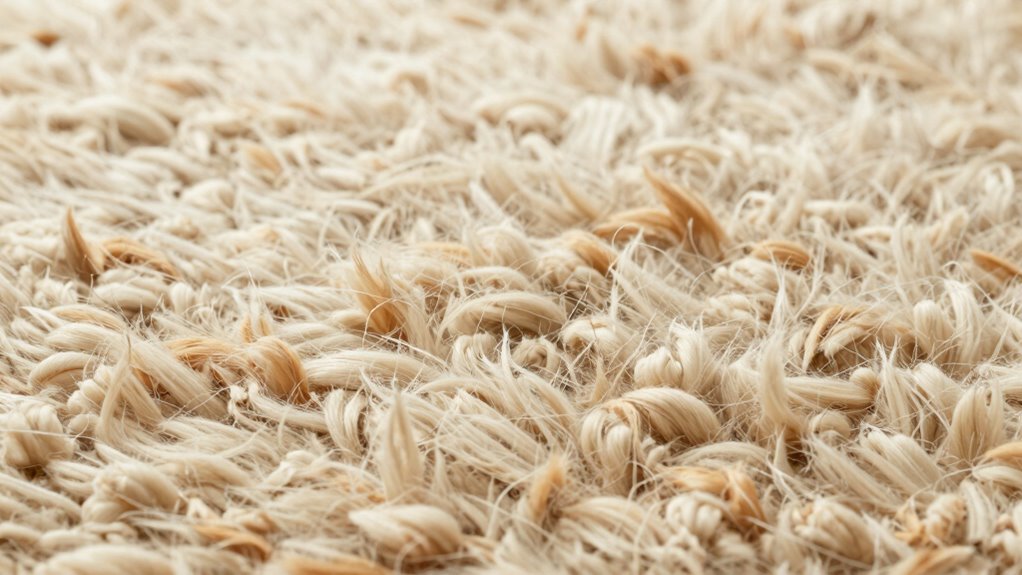
Wool quality classifications play a crucial role in determining the overall value and durability of New Zealand wool rugs. These classifications are influenced by factors like sheep breeds and wool processing methods. Different sheep breeds produce wool with varying fiber diameters, affecting softness and strength. For example, Merino sheep yield fine, soft wool, while Corriedale sheep produce coarser fibers. Wool processing also impacts quality, with careful handling preserving fiber integrity and minimizing damage. Raw wool is sorted into grades based on fiber diameter, staple length, and cleanliness. Understanding these classifications helps you identify high-quality wool that will last longer and feel better underfoot. Recognizing the importance of sheep breeds and processing practices ensures you choose a rug that meets your expectations for both durability and luxury. Additionally, the fiber diameter of wool is a key factor in determining its softness and suitability for different applications.
Grading Standards in NZ
New Zealand employs a thorough grading system to classify wool quality, ensuring buyers can accurately assess the fiber’s characteristics. This system considers factors like fiber diameter, strength, and cleanliness, which influence the wool’s appearance and performance. Wool sourcing is carefully controlled, with strict standards for flock management and environmental conditions. When it comes to wool dyeing, New Zealand wool is often processed with eco-friendly methods that preserve fiber integrity, maintaining its grade. The grading standards help distinguish premium wool from lower-quality options, guiding buyers in selection. These standards also ensure consistency across batches, allowing you to trust the quality of New Zealand wool rugs. Additionally, grading consistency plays a crucial role in maintaining high standards across different production runs, reinforcing the reputation of New Zealand wool. By understanding these grading criteria, you can better evaluate the wool’s durability, softness, and overall value.
Impact on Rug Durability
The quality of wool directly influences how well a rug holds up over time. Higher-grade wool, from specific sheep breeds like Merino, tends to be more durable and resilient. Wool processing methods also play a vital role in determining a rug’s longevity, affecting fiber strength and resilience. When wool is carefully processed, it retains its natural elasticity and resistance to wear. Poor processing can weaken fibers, leading to quicker deterioration. The sheep breed impacts fiber fineness and strength, which directly correlates with durability. Rugs made from premium wool are less likely to pill or shed, maintaining their appearance longer. Overall, selecting wool based on breed and processing quality ensures your rug stays beautiful and durable through years of use.

ANSSO Wool Rugs 8×10 for Living Room,80% Merino Wool and 20% Cotton Soft Tufted Area Rug with Cotton Non-Slip Backing,Large Area Rug for Bedroom Bedroom, Dining and Home Office (Cream White)
Selected Luxurious Merino Wool: Our wool rug are made of high-quality 15-20 micron Merino wool. Compared with ordinary…
As an affiliate, we earn on qualifying purchases.
As an affiliate, we earn on qualifying purchases.
How Wool Grading Impacts Rug Durability and Feel
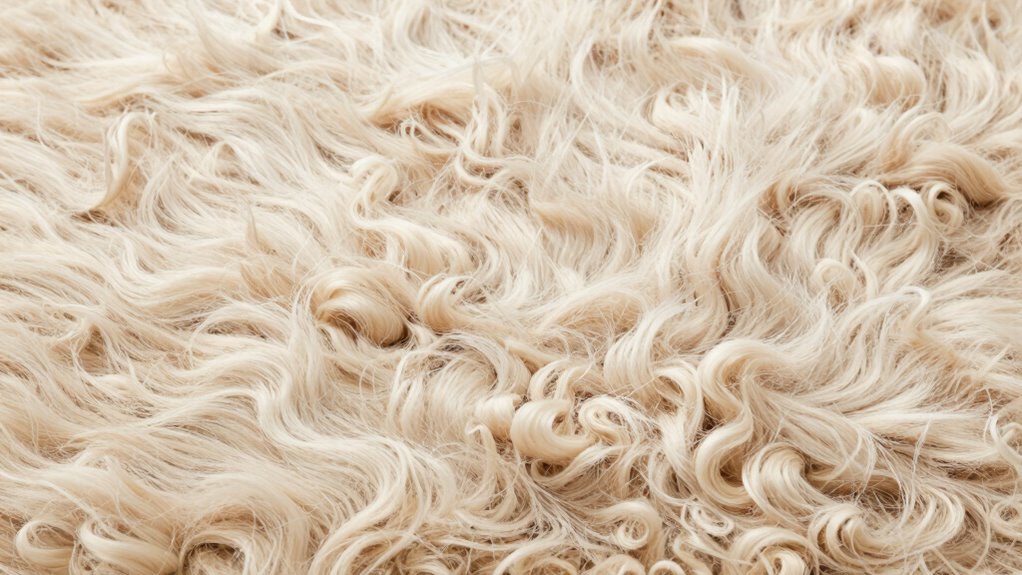
Your choice of wool grade directly affects how long your rug lasts and how it feels underfoot. Higher-quality wool offers better durability and a softer, more luxurious texture. Consistent grading standards guarantee you get a rug that meets your expectations for both comfort and longevity. Additionally, understanding wool grading standards can help you make more informed purchasing decisions.
Wool Quality and Durability
Wool grading directly influences both a rug’s durability and its feel underfoot. Higher-quality grades mean stronger fibers that resist wear, and softer textures enhance comfort. The wool’s grade affects how well it withstands daily use, especially when dyed fibers are involved, as lower grades may fade faster. Eco friendly practices in wool production also play a role, ensuring the fibers are sustainably sourced and processed, which can improve longevity. When choosing a rug, consider these factors:
- Finer wool grades offer increased softness and resilience
- Coarser fibers tend to be more durable but less plush
- Dyeing processes impact fiber strength and color longevity
- Eco friendly practices often lead to longer-lasting, sustainable rugs
- Wool fiber quality significantly impacts the overall longevity and appearance of the rug
Understanding wool quality helps you select a durable, comfortable, and eco-conscious rug.
Texture and Comfort Levels
Since wool grading determines fiber thickness and processing methods, it directly affects how a rug feels underfoot and its overall comfort. Higher-grade wool tends to have finer fibers, resulting in softer textures and subtle nuances that enhance comfort perceptions. Thicker, coarser wool may feel more rugged, but lower-grade fibers often lack the plushness you seek for cozy spaces. The texture nuances influenced by wool quality can make a significant difference in your rug’s tactile appeal, affecting how inviting it feels underfoot. Additionally, wool grading standards help ensure consistent quality and durability across different rug types. Understanding these grading details helps you choose a rug that not only looks good but also provides the right level of comfort for your lifestyle. Ultimately, wool grading shapes the tactile experience, ensuring your rug feels just right in any setting.
Consistency in Grading Standards
Consistent grading standards guarantee that the quality and durability of a wool rug meet expectations, regardless of where or how it’s produced. When grading is standardized, you can trust that a higher-grade wool offers better resilience, softer feel, and longer-lasting colors. This transparency in grading helps you select rugs that respond well to wool dyeing, ensuring vibrant, lasting hues. It also makes rug cleaning easier, as higher-grade wool resists wear and fading better over time.

The Knitted Co. Handwoven Wool Area Rug – Hand Woven Natural Carpet Rugs- Bedroom Living Room Dining Room (Ivory- 8'x10')
SIZE: 8' W x 10' L , Pile height is 0.50 inches (Medium Pile)
As an affiliate, we earn on qualifying purchases.
As an affiliate, we earn on qualifying purchases.
How to Spot High-Quality New Zealand Wool Rugs
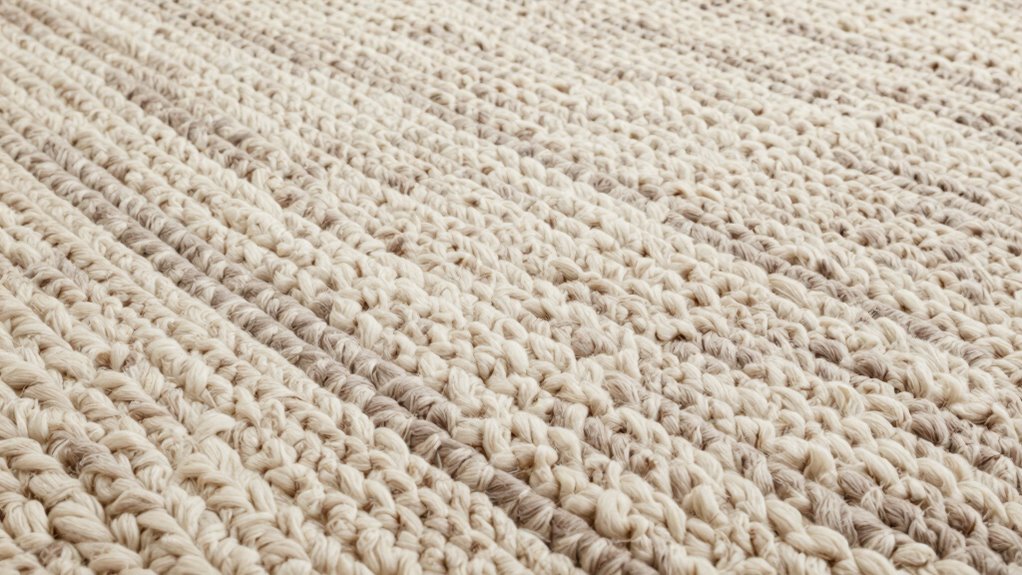
To identify high-quality New Zealand wool rugs, start by examining the wool’s texture and appearance. Genuine wool feels soft yet resilient, with a natural sheen that indicates good quality. Look closely at the wool’s dyeing process; well-dyed wool should have vibrant, even colors without fading or uneven patches. Pay attention to how the dyeing process affects the fiber; high-quality rugs often use wool that’s dyed using eco-friendly methods, ensuring color longevity. Additionally, check the rug backing materials—top-quality rugs typically have sturdy, natural backing that supports the wool fibers without adding bulk or reducing softness. This combination of smooth, well-dyed wool and durable backing indicates a high-quality New Zealand wool rug built to last and retain its beauty over time. Proper dyeing techniques also contribute to the rug’s overall durability and colorfastness.
Common Myths About ‘New Zealand Wool’ Labels Debunked
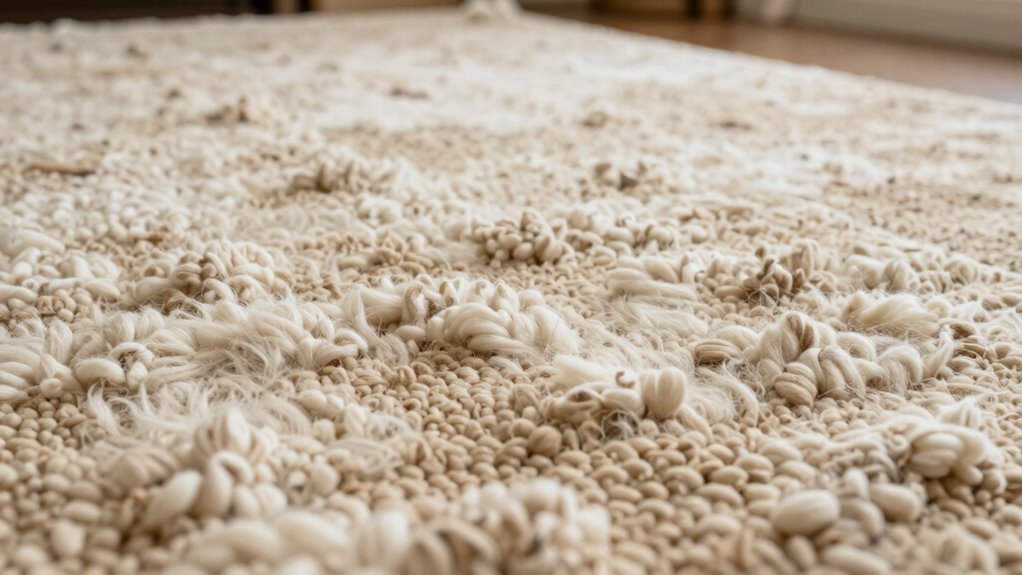
Many people believe that a “New Zealand Wool” label guarantees the highest quality, but that’s a common misconception. This is where myth busting is essential, as label accuracy doesn’t always reflect rug quality. Labels can be misleading, and relying solely on them can lead to false assumptions.
- A “New Zealand Wool” label might just indicate the origin, not the grade or purity.
- Some labels are stamped by manufacturers with varying standards.
- Wool quality varies within New Zealand, so not all wool is top-tier.
- Other factors, like processing and rug craftsmanship, matter more than the label alone.
- Proper aftercare and cleaning are crucial to maintaining the quality of wool rugs over time.
Understanding these myths helps you make better choices and avoid overestimating the significance of a wool label.
Other Factors That Affect Rug Quality Besides Wool Grade

While wool grade plays a role in rug quality, several other factors can notably influence the final product. One key aspect is the use of synthetic fibers, which can sometimes be mixed with wool to reduce costs or alter texture and durability. These fibers may impact the rug’s overall feel and longevity. Additionally, dye stability is crucial; rugs with dyes that fade or bleed easily won’t maintain their appearance over time. The way dyes are applied and their resistance to fading after cleaning or exposure to sunlight directly affect the rug’s lasting beauty. You should also consider craftsmanship, knot density, and finishing techniques, as these elements significantly impact how well a rug holds up and looks over time. Moreover, understanding the Gold IRA markets can provide insight into the valuation and investment potential of natural materials like wool, which may influence pricing and perceived quality.
Tips for Choosing the Best ‘New Zealand Wool’ Rug for Your Home

When selecting a New Zealand wool rug for your home, it’s important to contemplate factors like fiber quality, craftsmanship, and overall construction. Consider how wool dyeing techniques influence color vibrancy and longevity, guaranteeing the hues suit your decor. Rug size considerations are vital, so measure your space carefully to find a perfect fit. Look for craftsmanship details such as tight weaving and reinforced edges, indicating durability. Additionally, examine the dyeing process to guarantee colors are evenly applied and resistant to fading. Keep in mind that:
- Choose a size that complements your room’s layout
- Opt for natural wool dyes for eco-friendliness
- Check for consistent dyeing without blotches
- Prioritize craftsmanship for long-lasting beauty
These tips help you select a rug that enhances your home’s aesthetic while standing the test of time.
Frequently Asked Questions
How Does Wool Grading Differ Between New Zealand and Other Countries?
You’ll notice wool grading standards differ between New Zealand and other countries, mainly in how quality is assessed. New Zealand uses strict international grading differences, focusing on fiber length, strength, and cleanliness, ensuring high-quality wool. Other countries may have more varied standards, sometimes prioritizing fiber fineness or color. These differences can impact wool’s final value, so understanding international grading differences helps you choose the best quality rug or product.
Can the Wool Grade Influence the Rug’s Environmental Sustainability?
Think of wool grades as the blueprint shaping a rug’s eco-friendliness. Higher-grade wool often means better eco-friendly practices and sustainable sourcing, reducing environmental impact. When you choose a higher-grade wool rug, you’re supporting farms that prioritize eco-conscious methods, like responsible water use and ethical grazing. So, your choice can genuinely help the planet by encouraging sustainable practices, making your home not just cozy but also kinder to Earth.
Are Higher-Grade New Zealand Wool Rugs More Expensive?
Yes, higher-grade New Zealand wool rugs tend to be more expensive. You’ll notice this in the price, which reflects the wool’s quality, including its wool color variations and the expert craftsmanship techniques used. These rugs often feature finer, more consistent fibers, making them more durable and luxurious. The investment in top-grade wool and skilled craftsmanship guarantees a stunning, long-lasting rug, but it also means a higher price tag.
Does Wool Grade Affect Allergy Concerns With Rugs?
Wool grade can influence allergy sensitivity, as higher-grade New Zealand wool often has fewer impurities, making it gentler on your skin. Think of wool fiber properties as a finely tuned instrument—cleaner fibers produce fewer allergens, reducing irritation. If you’re allergy-sensitive, choosing a rug with superior wool grade helps create a cozy space without the sneeze fit. So, yes, better wool grade often means fewer allergy concerns for you.
How Long Does a Wool Rug Typically Last Based on Its Grade?
A wool rug’s durability typically ranges from 5 to 15 years, depending on its grade. Higher-grade wool offers better durability implications, meaning it withstands foot traffic and wear longer. Lower grades may show signs of aging sooner but often have more aesthetic variations. You can extend your rug’s lifespan by proper cleaning and maintenance, regardless of grade, ensuring it stays beautiful and functional for years to come.
Conclusion
Knowing what ‘New Zealand Wool’ truly means helps you make smarter rug choices. Did you know that New Zealand wool accounts for over 50% of the world’s high-quality wool exports? By understanding wool grades and spotting quality features, you can find a durable, luxurious rug that lasts for years. So, don’t just settle for the label—look deeper, and enjoy the cozy, long-lasting comfort your perfect rug can bring to your home.