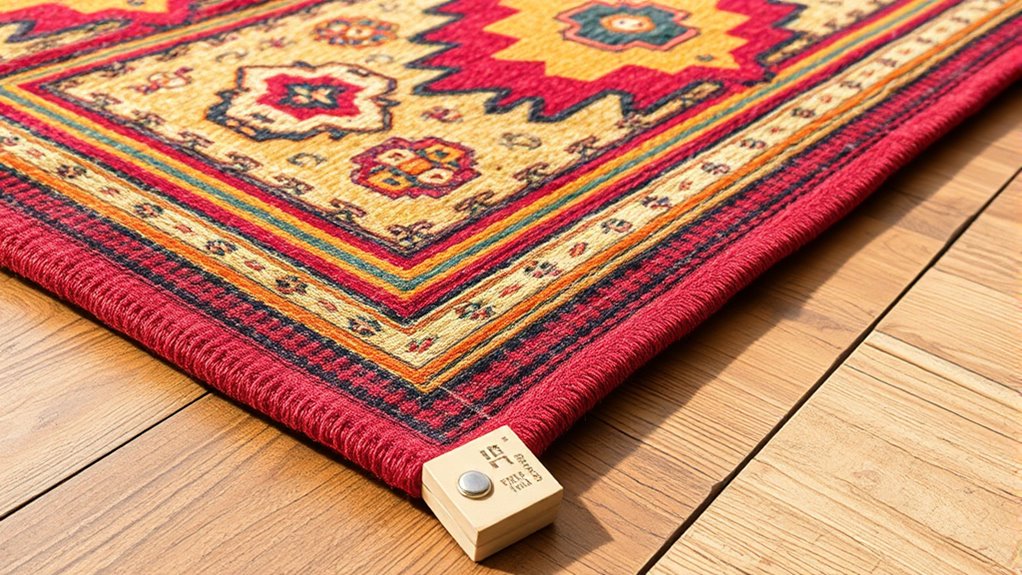

Rug sizes developed over centuries through regional traditions, weaving techniques, and cultural needs. Different cultures, like Persian, Turkish, and Central Asian, influenced the dimensions based on their purposes, from large luxury carpets to small nomadic pieces. Trade and standardization helped popularize common sizes such as 5×8 and 8×10 feet, making them practical for homes. If you want to understand how these traditions shaped modern choices, you’ll find plenty of interesting insights ahead.
Key Takeaways
- Regional weaving techniques and cultural traditions historically dictated rug sizes based on local materials and tools.
- Specific functions, like floor coverings or wall hangings, influenced the dimensions of rugs within different cultures.
- Trade and cultural exchanges led to the adoption of standard sizes, such as 5×8 and 8×10 feet, for practicality.
- Room proportions and furniture sizes shaped popular rug dimensions to suit household needs.
- Understanding these origins helps appreciate the cultural significance and modern choices of rug sizes.

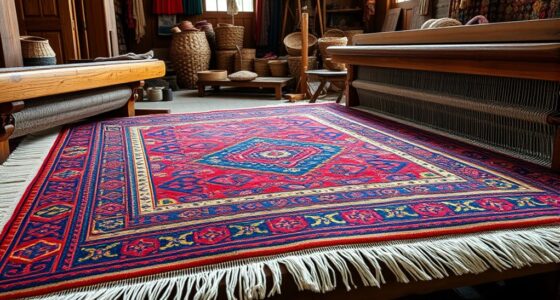
Choosing the right rug size can particularly influence the look and feel of a room, but understanding the traditional and standard dimensions can be overwhelming. Rugs have evolved over centuries, shaped by cultural preferences, available materials, and weaving techniques. These factors contribute to the diverse sizes and styles you see today. Historically, weaving techniques played a significant role in determining rug dimensions. For example, hand-knotted rugs often followed specific size patterns based on the region’s weaving traditions, such as Persian or Turkish styles. These techniques dictated not only the design and durability but also the overall size, as artisans worked within the constraints of their tools and resources. Over time, these regional variations created a rich tapestry of rug sizes, from small accent pieces to large, room-dominating carpets.
Rug sizes reflect regional weaving traditions, materials, and cultural influences shaping their design and dimensions.
In many regions, rugs were crafted to suit particular uses, influencing their dimensions. Turkish kilims, for instance, often served as functional floor coverings or wall hangings, leading to sizes optimized for those purposes. Persian rugs, known for their intricate designs, tended to be larger, reflecting their status as luxury items and their role as focal points in a room. Meanwhile, Central Asian rugs might have been smaller or more portable, designed for nomadic lifestyles. These regional variations in weaving techniques and cultural needs shaped the sizes that became standard within each tradition. Additionally, the development of cultural exchange contributed to the blending and standardization of certain rug sizes across regions.
As trade and cultural exchange expanded, certain rug sizes gained popularity beyond their origins. Standard dimensions emerged to meet furniture sizes, room proportions, and consumer preferences. For example, the common area rug size of 5×8 feet or 8×10 feet aligns with typical living room or dining space dimensions. The development of these standards also helped manufacturers streamline production and consumers compare options more easily. Over the years, these norms have become almost universal, even as regional variations still influence design and size choices.
Understanding how rug sizes developed offers insight into their cultural significance and practical design. Recognizing the influence of weaving techniques and regional variations helps you appreciate why certain sizes feel more authentic or balanced in specific spaces. Whether you’re choosing a small accent rug or a large statement piece, knowing the history behind these dimensions can guide you in making choices that honor tradition while fitting your modern needs.
5×8 area rug
As an affiliate, we earn on qualifying purchases.
As an affiliate, we earn on qualifying purchases.
Frequently Asked Questions
How Have Modern Design Trends Influenced Rug Size Preferences?
Modern design trends, like contemporary minimalist and Scandinavian aesthetics, influence your rug size choices by favoring larger, statement pieces that create open, airy spaces. You prefer rugs that anchor furniture and define zones without overwhelming the room. As these styles emphasize simplicity and clean lines, you often opt for versatile sizes that complement sleek furniture, making your space feel cohesive, modern, and effortlessly stylish.
Are There Regional Differences in Traditional Rug Sizing Standards?
You’ll notice regional variations substantially shape traditional rug sizing standards, shaped by cultural influences and local lifestyles. In Middle Eastern regions, rugs tend to be larger, accommodating communal spaces, while smaller, more portable designs dominate in North Africa. These differences reflect diverse customs, climates, and crafts. Cultural influences dictate not only aesthetic choices but also practical dimensions, creating distinct regional identities in rug sizes that honor local traditions and lifestyle needs.
What Materials Impacted the Development of Specific Rug Sizes?
You’ll find that materials like wool, silk, and cotton substantially impacted rug sizes, influenced by weaving techniques and cultural symbolism. Wool, being durable and versatile, suited larger rugs for practical use, while silk allowed for intricate, smaller pieces symbolizing luxury. Cotton’s lightweight nature enabled different sizes, reflecting regional symbolism. These materials and techniques shaped rug dimensions, aligning with cultural meanings and functional needs across various regions.
How Do Rug Sizes Vary Between Residential and Commercial Use?
You’ll notice that rug sizes differ considerably between residential and commercial spaces. Residential floor covering variations often include standard sizes, making them easy to fit in common rooms, while commercial rugs prioritize larger, customized options to accommodate vast areas. With size customization options, you can tailor rugs to your space’s specific needs, ensuring a perfect fit and enhanced aesthetic appeal in both settings.
Are There Eco-Friendly Considerations in Standardizing Rug Sizes?
Standardizing rug sizes does consider eco-friendly considerations. You benefit from sustainable manufacturing practices that prioritize eco-conscious materials, reducing environmental impact. By choosing standard sizes made with recycled or natural fibers, you support sustainability while ensuring quality and consistency. This eco-conscious approach encourages responsible resource use, helping to protect the planet. So, in creating and selecting rugs, size standards now often incorporate environmentally mindful methods to promote greener, cleaner, and more conscious choices.
8×10 Persian rug
As an affiliate, we earn on qualifying purchases.
As an affiliate, we earn on qualifying purchases.
Conclusion
So, after all this history, it’s funny how rug sizes still follow those old standards, isn’t it? You’d think modern homes would demand more flexibility, but nope — tradition wins again. Maybe it’s comforting to stick to standards, or maybe we’re just afraid to stray too far. Either way, next time you pick a rug, remember: you’re part of a long, quirky legacy that’s still trying to keep up with the 21st century.
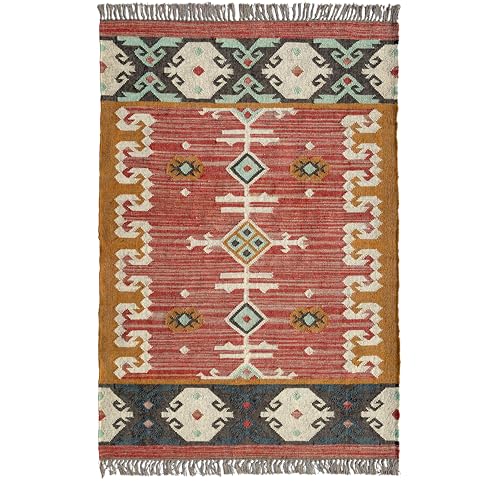
Weaving Village Jute Traditional Kilim Rug Boho Flatweave Area Rug for Living Room, Living Room Entryway, Tribal Series, 4'x6'
Each Kilim rug showcases intricate patterns and vibrant colors, reflecting traditional craftsmanship and adding a touch of bohemian…
As an affiliate, we earn on qualifying purchases.
As an affiliate, we earn on qualifying purchases.
nomadic style rug
As an affiliate, we earn on qualifying purchases.
As an affiliate, we earn on qualifying purchases.