To identify abrash, look for subtle, natural color shifts, gradients, or streaks across the textile. These variations come from uneven dye absorption during hand-dyeing, often with natural dyes, creating rich, layered effects. Genuine abrash adds depth and character, highlighting hand-crafted artistry. It’s different from imperfections, which tend to be harsher or irregular. If you want to understand how these beautiful color variations showcase authentic craftsmanship, there’s more to discover below.
Key Takeaways
- Look for subtle, natural gradient shifts or streaks in the rug’s color, indicating uneven dye absorption.
- Recognize smooth, undulating color transitions as signs of natural dye effects and artisanal craftsmanship.
- Identify irregular patches or faded edges that reflect traditional dyeing techniques and natural dye variability.
- Differentiate authentic abrash from harsh, irregular imperfections common in synthetic or mass-produced textiles.
- Appreciate the cultural significance of color variation as a marker of regional identity and handmade artistry.

COTTON CRAFT Cotton Chindi Rag Rug – Boho Farmhouse Rustic Area Accent Throw Rug – Handwoven Reversible Natural Recycled Yarn Carpet – Living Room Kitchen Entrance Home Gift – 20 x 32 in – Multi Color
CONTENTS: One (1) COTTON CRAFT Handwoven Reversible Cotton Chindi Accent Rug in Multicolor, measures 20 inch x 32…
As an affiliate, we earn on qualifying purchases.
As an affiliate, we earn on qualifying purchases.
What Is Abrash and How Does It Form?
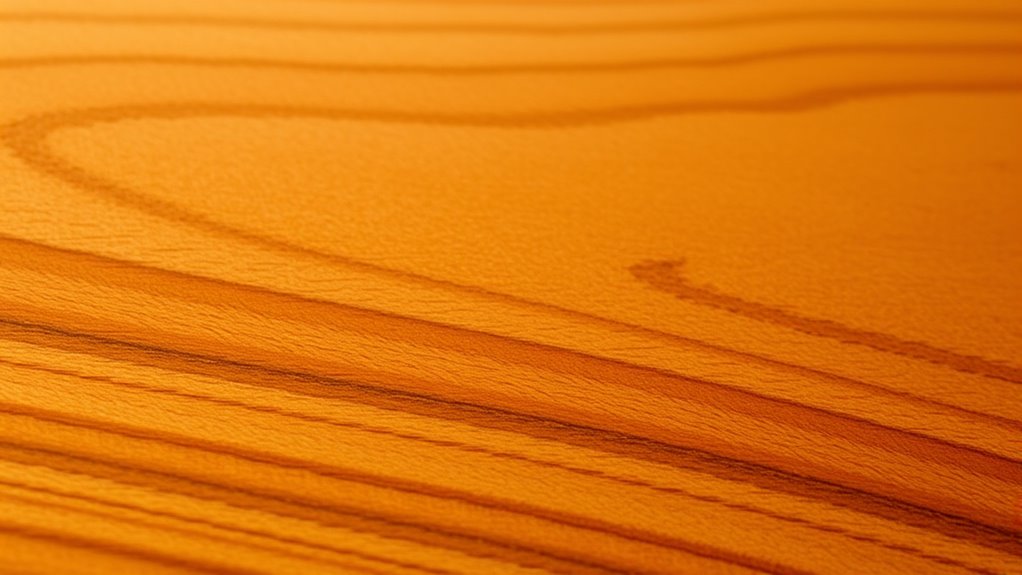
Have you ever noticed the subtle color variations on a hardwood floor that seem to shimmer differently under changing light? That’s a perfect example of abrash in textiles. Abrash forms during dyeing processes, where fibers with different compositions absorb dyes unevenly. Variations in fiber composition—such as differences in wool, cotton, or silk—cause slight color shifts as the fibers respond differently to the dye. When the fabric is woven, these fluctuations become visible as natural, irregular streaks or patches. This effect isn’t accidental; it’s a result of the unique fiber blend and how it interacts with the dye. Fiber composition significantly influences the appearance of abrash, highlighting the fabric’s character and emphasizing its handmade quality and natural beauty, making each piece uniquely appealing. Additionally, dyeing techniques can further accentuate these variations, enhancing the overall aesthetic of the textile. The dye absorption process plays a crucial role in creating these distinctive patterns, making each textile truly one-of-a-kind. Understanding natural fiber properties can also explain why certain fibers produce more pronounced abrash than others, and knowing the effects of fiber dye affinity can help in selecting materials for specific visual outcomes.

Indigo Tie Fabric Dye Kit | Natural Shibori Powder Sachet | Permanent Easy Use Textile Paint | Dyeing Shirt Clothes Dress | Painting Party Supplies DIY Art Craft Set
Natural Dye: Honey Oak’s dye is made from 100% natural sources. No chemicals were used to make this…
As an affiliate, we earn on qualifying purchases.
As an affiliate, we earn on qualifying purchases.
Recognizing Color Variations in Woven Textiles
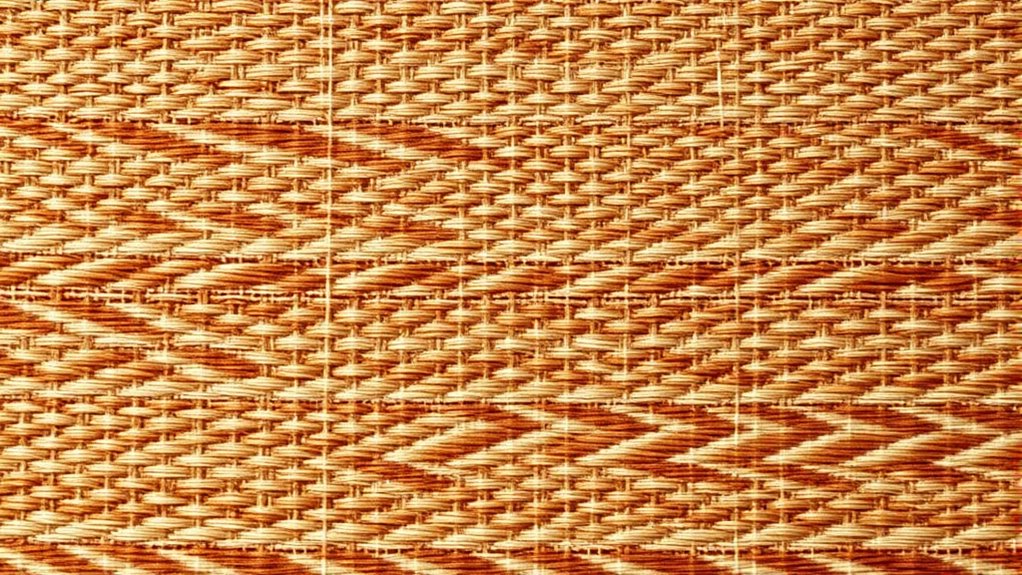
When examining woven textiles, look for subtle color shifts that change gradually across the fabric. These variations often result from natural dye effects, which add depth and character to the material. Recognizing these differences helps you identify authentic abrash and appreciate its beauty. Understanding color variation is essential for distinguishing genuine abrash from artificial or manufactured effects, as well as for appreciating the techniques used in dyeing.
Subtle Color Transitions
Subtle color shifts in woven textiles can reveal important signs of age, craftsmanship, or regional origin. These gentle progressions often come from the way dyed yarns interact over time, causing a natural color migration that softens edges and creates a nuanced appearance. As you examine the fabric, notice areas where colors blend smoothly, hinting at skilled dyeing techniques or older textiles. These Vetted techniques contribute to the unique character and authenticity of each piece. Imagine: – Faded edges where dye has subtly migrated – Gentle gradients between hues – Variations in saturation, indicating natural wear – Slight differences in tone across the weave – Soft, almost imperceptible shifts in color intensity. Recognizing these subtle variations can also help identify the regional style and period of the textile, enhancing its value and storytelling. Additionally, understanding the dyeing processes involved can provide deeper insight into the textile’s history and cultural significance. Exploring natural dye methods further reveals the craftsmanship behind the textile, offering clues about its history and origin through the delicate dance of dyed yarns and color migration. Moreover, awareness of colorfastness can help determine the longevity and preservation needs of the textile.
Natural Dye Effects
Natural dye effects create distinctive color variations in woven textiles that reveal the materials and methods used by artisans. These variations often occur due to differences between dye batches, resulting in subtle shifts in hue across the fabric. Fiber variability also plays a role, as different fibers absorb dyes differently, producing unique color effects. When examining a textile, look for irregularities that suggest natural dyeing processes rather than uniform, machine-made colors. These variations can include slight darkening or lightening, uneven saturation, or gradual shifts in tone—features characteristic of natural dye effects. Recognizing these signs helps you identify authentic handmade textiles and appreciate the skill involved in creating rich, complex color variations through natural dyeing techniques. Additionally, natural dye techniques can influence the overall appearance and uniqueness of the textile, making each piece one-of-a-kind. Understanding the craftsmanship involved can deepen your appreciation for traditional textile arts and their cultural significance. Moreover, paying attention to color variation can enhance your ability to distinguish genuine natural dyes from synthetic alternatives. Incorporating mindfulness during the examination process can further heighten your awareness of subtle differences and authentic craftsmanship.

Capitola Hand-Tufted Wool Area Rug, Modern Geometric Space-Dyed Pattern, Soft Plush Wool Carpet for Living Room, Bedroom, Dining Room & Entryway – Blue (8 x 10 FT)
Premium Wool Material: 100% natural wool for exceptional softness, warmth, and durable color retention.
As an affiliate, we earn on qualifying purchases.
As an affiliate, we earn on qualifying purchases.
The Role of Natural Dyes in Creating Abrash
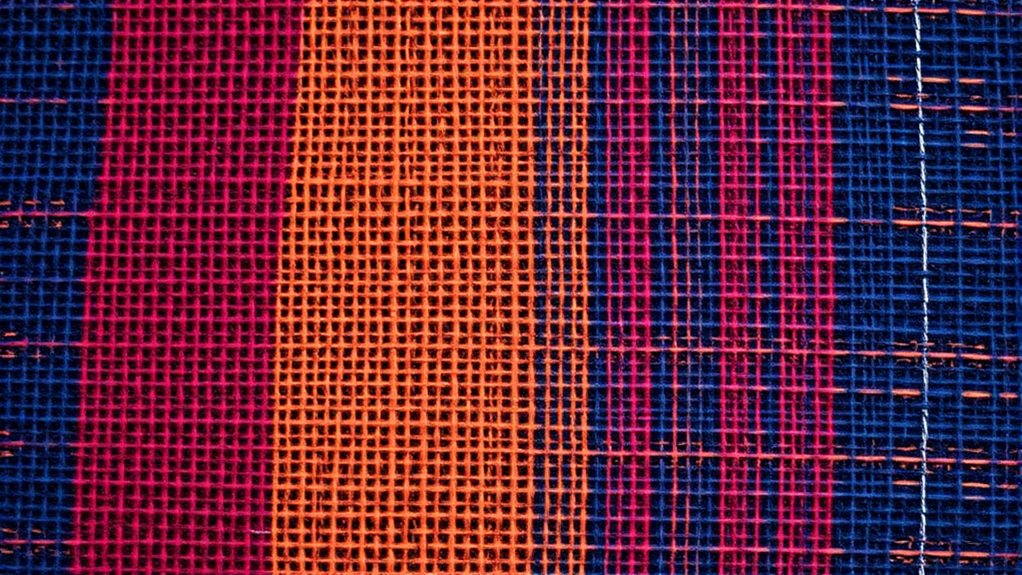
Natural dyes come from different sources, which leads to subtle variations in color. These variations create the unique shifts you see in abrash. Understanding how dye sources influence color helps you recognize authentic abrash in woven textiles. Additionally, the natural materials used in dyeing can develop a rustic aesthetic that enhances the overall farmhouse charm.
Variability in Dye Sources
Have you ever wondered why some rugs display uneven color variations known as abrash? It all comes down to the variability in dye sources. Natural dyes, unlike synthetic ones, aren’t uniform, leading to subtle differences between dye batches. As you examine a rug, notice how:
- Slight shifts in color appear across the field
- Variations align with different dyeing sessions
- Fiber variation affects how dyes absorb unevenly
- Small inconsistencies stem from fluctuating dye batch qualities
- The natural origins of dyes cause unpredictable color intensity
These factors combine to produce the characteristic undulating patterns of abrash. The interplay between dye batch differences and fiber variation creates a rich tapestry of color, making each rug uniquely beautiful and full of depth.
Unique Color Transitions
Ever wonder how rugs achieve those smooth, yet subtly shifting color metamorphoses that define abrash? The secret lies in the use of natural dyes and the way they interact with dyed silk during color weaving. Natural dyes create unique color transitions because their hues vary depending on factors like plant source and dyeing conditions. As you weave, these variations produce gentle shifts in tone, adding depth and character. Dyed silk absorbs dyes unevenly, resulting in subtle gradations that enhance the rug’s visual interest. The natural fading and blending of colors over time further accentuate these transitions, making each rug one-of-a-kind. This organic process guarantees that every abrash showcases a distinct, beautiful evolution of color—proof of the craft’s artistry and the natural dyes’ role in creating unique color transitions.

Expressions Batiks Hand-Dyes Ghost White-Pure White Yardage
The Expressions Batiks Hand-Dyes Basic by Riley Blake Designs are great for quilting, apparel and home decor.
As an affiliate, we earn on qualifying purchases.
As an affiliate, we earn on qualifying purchases.
Techniques Used by Artisans to Achieve Abrash Effects
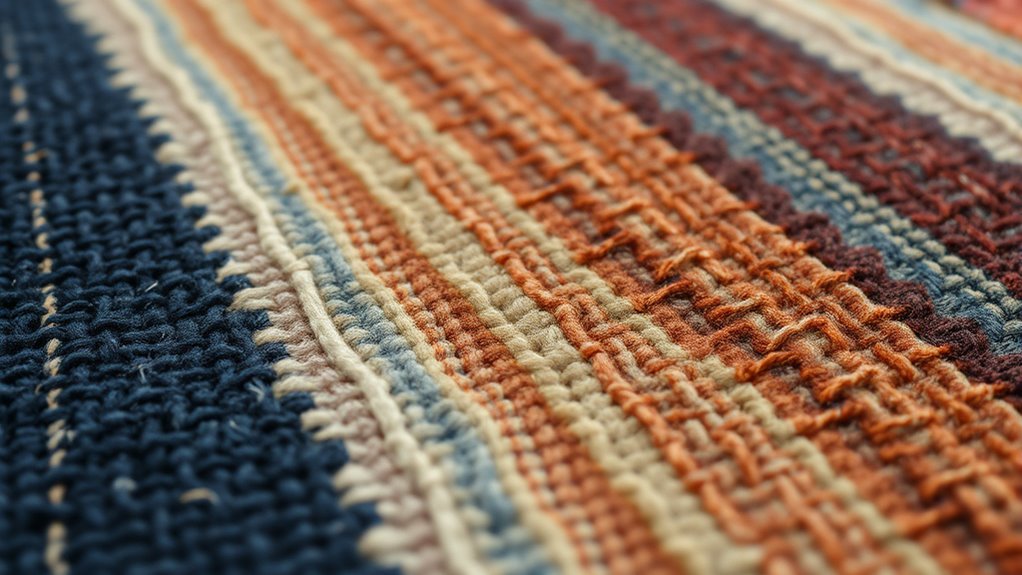
Artisans use a variety of techniques to create the distinctive abrash effects that give their rugs depth and character. Their artisan craftsmanship involves carefully manipulating dyeing techniques to produce subtle color shifts. You might notice:
Artisans craft unique abrash effects through skillful, subtle dyeing techniques that add depth and character to each rug.
- Varying the amount of dye applied for uneven, natural progressions
- Using multiple dye baths for layered, complex hues
- Applying resist techniques to preserve lighter areas amid darker zones
- Adjusting the fiber’s exposure to dye for uneven absorption
- Employing hand-dyeing to allow spontaneous color variations
These methods highlight skillful control over dyeing techniques, resulting in organic, unpredictable color changes. The craft lies in balancing consistency with randomness, so each rug uniquely showcases the beauty of abrash, emphasizing the artisanal skill behind every piece.
Differentiating Between Abrash and Imperfections
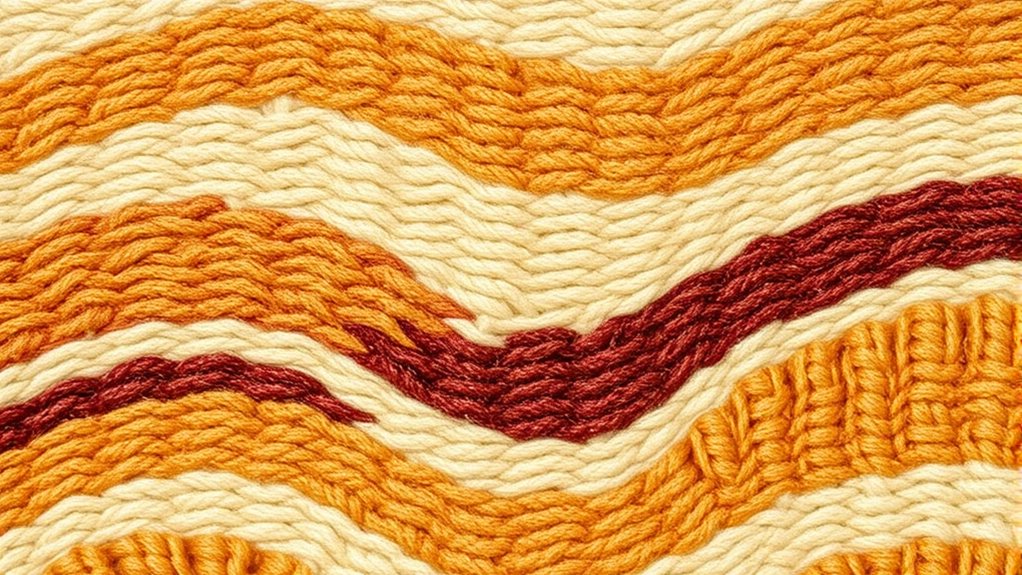
How can you tell if a color variation in a rug is an intentional abrash or an unwanted imperfection? The key lies in observing how the color shifts. Abrash often appears as smooth, natural gradations caused by hand-spun yarns or subtle dye differences, especially in rugs made with natural dyes. In contrast, imperfections from modern manufacturing, such as inconsistent dyeing or machine errors, tend to be harsh, irregular, or uneven. Rugs created with synthetic dyes and mass production techniques may show less variation and more uniformity, making imperfections more noticeable. Authentic abrash reflects the artisan’s craftsmanship, blending seamlessly into the overall design, while imperfections stand out as flaws. Recognizing these differences helps you appreciate the rug’s true character.
The Visual Impact of Abrash on Rug Aesthetics

Abrash enhances a rug’s visual appeal by adding depth and character that draw the eye. Its subtle shifts in color create a lively, textured appearance, making each rug unique. When dye consistency isn’t perfect, variations in hue emerge, breaking up the monotony of color uniformity and adding visual interest. You’ll notice:
- Playful streaks of lighter and darker shades
- Rich, layered color progressions
- Dynamic movement across the surface
- A sense of handcrafted authenticity
- An intriguing complexity that invites closer inspection
These variations emphasize the rug’s artisanal quality, making it more than just a functional piece. Instead, it becomes a piece of art, where the natural dyeing process leaves behind a distinctive and engaging aesthetic that enhances overall beauty.
Cultural Significance of Abrash in Traditional Weaving
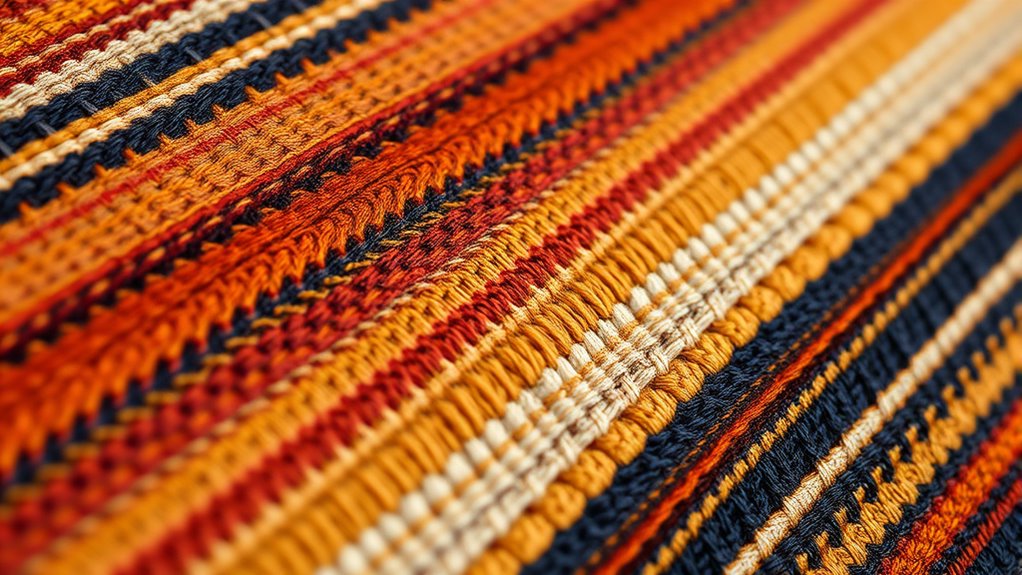
Because of its distinctive appearance, abrash holds deep cultural significance in many traditional weaving communities. It reflects the weaving tradition’s history, skills, and regional identity, often symbolizing resilience and authenticity. In these communities, the variation in color isn’t seen as a flaw but as an expression of artistic creativity and individuality. Weavers intentionally incorporate abrash to tell stories or convey cultural values, making each piece unique. This color variation embodies a community’s connection to its environment, materials, and techniques passed down through generations. Abrash enhances the cultural richness of woven textiles, serving as a visual marker of tradition and craftsmanship. By embracing these natural variations, artisans preserve their artistic expression and cultural heritage in every woven piece.
Tips for Collectors to Identify Authentic Abrash

Are you aware of the key signs that distinguish authentic abrash from artificial or manipulated color variations? To identify genuine abrash, look closely at the fabric’s color shifts—these should appear natural and subtle, not uniform or overly perfect. Authentic abrash often shows irregular, uneven color transitions caused by traditional dyeing methods, unlike modern manufacturing’s synthetic dyes, which produce consistent, sharp lines. Check for fiber inconsistencies or slight variations in texture, indicating handwoven craftsmanship. Avoid textiles with perfectly straight or symmetrical color bands, as these suggest artificial manipulation. Finally, trust your intuition—authentic abrash reflects a history of traditional techniques, not the slick uniformity of modern manufacturing.
Celebrating the Unique Charm of Handwoven Color Variations

Have you ever noticed how the subtle shifts in color within handwoven textiles create a sense of warmth and authenticity? These variations, known as abrash, carry a rich historical context that highlights traditional dyeing techniques passed down through generations. They reflect skilled craftsmanship and cultural stories embedded in each piece. Today, modern adaptations celebrate this natural beauty by embracing irregularities instead of masking them. Many artisans intentionally incorporate color variations to enhance texture and character, making each textile unique. This approach honors the authenticity of handweaving and preserves cultural heritage while appealing to contemporary tastes. By appreciating abrash’s charm, you recognize the artistry behind each creation, understanding that these color shifts are not flaws but a celebration of tradition, skill, and the vibrant soul of handwoven fabric.
Frequently Asked Questions
Can Abrash Be Intentionally Created in Modern Textile Production?
You can intentionally create abrash in modern textile production by carefully manipulating dyed yarns and weaving techniques. By using varying dye lots, yarns, or tension during weaving, you produce natural color variations that mimic authentic abrash. Skilled artisans and advanced machinery can control these subtle shifts, making abrash a deliberate design element rather than an unintended flaw, giving your textiles a rich, handcrafted appearance.
How Does Lighting Affect the Perception of Abrash in Textiles?
You might think lighting doesn’t influence how you see abrash, but it actually has a big impact. Light reflection can enhance or diminish color contrast, making the subtle variations in the textile more or less noticeable. Under bright, direct light, you’ll see the full depth of color variation, while softer lighting can hide it. So, your perception of abrash depends heavily on the lighting conditions around you.
Are Certain Weaving Patterns More Prone to Exhibiting Abrash?
You’ll find that certain weaving patterns are more prone to exhibiting abrash due to variations in weaving tension. Patterns with high color contrast, like ikat or plain weave, tend to show abrash more clearly. When tension isn’t uniform, it creates subtle shifts in color, making abrash more noticeable. So, if you want to highlight abrash’s beauty, choose patterns that emphasize contrasting colors and allow for tension variations.
How Does Abrash Influence the Value of Antique Rugs?
Like a whisper of history, abrash adds depth to antique rugs, making their stories come alive. It influences their value by enhancing color contrast and emphasizing visual authenticity, which collectors cherish. Rugs with genuine abrash are often prized more because they reflect craftsmanship and age. This natural variation signals authenticity, increasing desirability and worth, as each subtle shift in hue tells a unique tale woven through time.
Can Abrash Be Preserved or Enhanced During Textile Restoration?
During textile restoration, you can preserve or enhance abrash by carefully considering dye penetration and fiber aging. Using gentle techniques, you avoid disrupting the natural color variation, maintaining the rug’s authenticity. When you understand how dye penetration affects color shifts and how fiber aging creates subtle differences, you can skillfully highlight abrash without compromising its beauty. Your goal is to respect the rug’s history while enhancing its visual appeal.
Conclusion
Now that you understand what makes abrash so special, you can truly appreciate the artistry behind each woven piece. Recognizing these natural color variations not only adds value to your collection but also connects you to centuries of tradition. So, next time you see a rug with subtle shifts in hue, ask yourself—aren’t these imperfections what make handmade textiles genuinely unique and beautiful? Embrace the charm of abrash and celebrate its authentic beauty.