
Silk rugs showcase centuries of craftsmanship, vibrant dyes, and cultural stories that make them truly special. Their production involves traditional weaving and natural dyeing techniques using plants, insects, and minerals to create rich, lasting colors. To keep them looking their best, gentle cleaning and avoiding harsh chemicals are essential. If you want to discover more about their history, craftsmanship, and how to preserve their beauty, there’s much more to explore below.
Key Takeaways
- Silk rugs are crafted using centuries-old weaving and natural dyeing techniques, emphasizing intricate details and vibrant hues.
- Traditional dyeing methods involve natural sources like indigo, saffron, and cochineal, ensuring lasting color vibrancy.
- The production process highlights artisan craftsmanship, blending artistry with cultural storytelling across generations.
- Proper care includes gentle cleaning and avoiding harsh chemicals to preserve colorfastness and extend the rug’s lifespan.
- Their unique variations, subtle color gradations, and cultural significance make silk rugs valuable heirlooms.
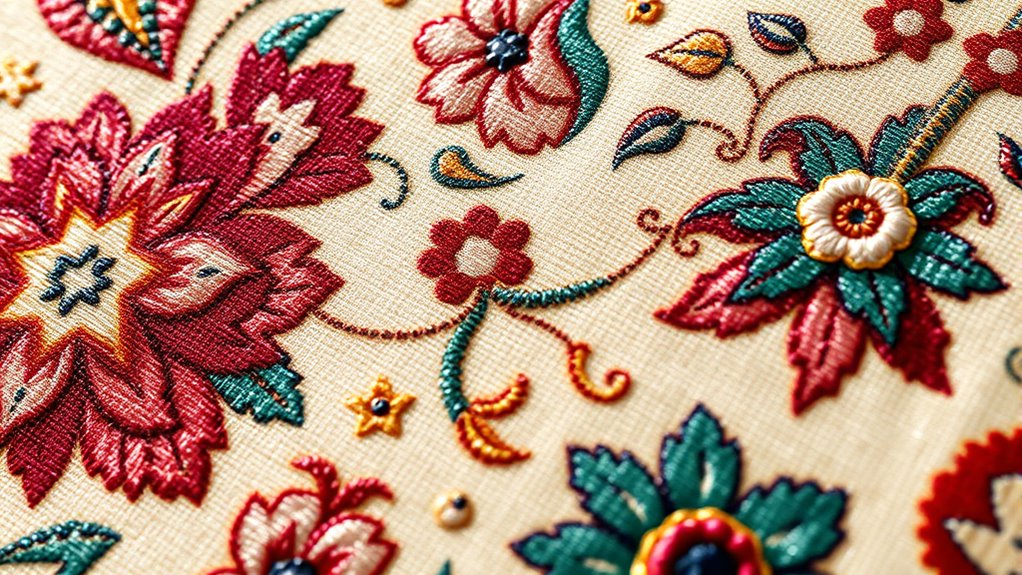
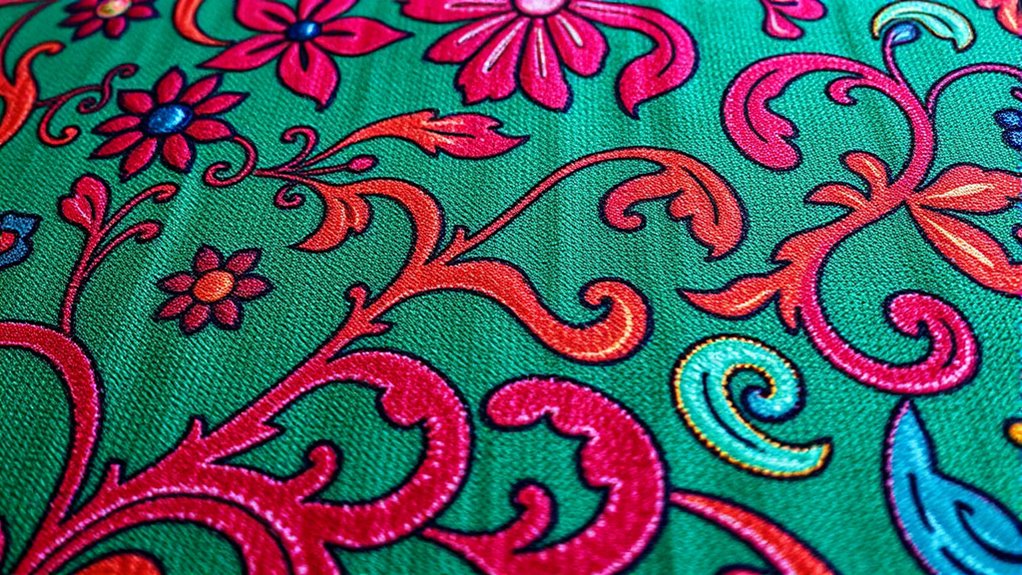
Silk rugs stand out as luxurious and timeless pieces that can elevate any space. Their beauty isn’t just in their appearance but also in the craftsmanship behind them. When you look closely, you’ll notice the intricate details created through centuries of weaving tradition. One aspect that makes silk rugs so captivating is the dyeing techniques used to achieve their vibrant hues. Historically, these techniques involved natural dyes derived from plants, insects, and minerals, which contributed to the rich and varied color palette seen in antique silk rugs. For example, Persian silk rugs often feature colors obtained from pomegranate skins or indigo, while Chinese silk rugs might use saffron or cochineal. These dyes not only impart color but also influence the rug’s durability and aging process. As a result, the historical significance of dyeing techniques adds depth to your appreciation, knowing that each hue carries cultural stories and centuries of craftsmanship. dyeing techniques have been refined over time, ensuring the vibrancy and longevity of each rug. When you acquire a silk rug, you’re not just getting a decorative piece—you’re holding a piece of history. The techniques used to produce the dyes have been passed down through generations, often refined over time to improve colorfastness and vibrancy. The process involves careful preparation of natural dyes and precise application through traditional methods like hand-dyeing or washing. These methods ensure that the colors remain vivid for decades, sometimes centuries, making silk rugs not only beautiful but also valuable heirlooms. The richness of their color palette, combined with the historical significance behind their dyeing methods, makes each rug unique. You can often see subtle gradations or variations in color, which add character and depth to the finished piece. Such details reflect the skill of artisans who have honed their craft over generations, blending artistry with tradition. Understanding the historical importance of dyeing techniques helps you appreciate why silk rugs are considered more than just home decor. They are storytellers, showcasing a region’s cultural history and artisanal mastery. When you care for your silk rug, respecting these traditional dyeing methods can extend their lifespan. Gentle cleaning and avoiding harsh chemicals help preserve the dyes and fabric’s integrity. In truth, silk rugs embody a rich history and sophisticated craftsmanship, making them a prized addition to any space. Their luxurious feel, vibrant colors, and cultural significance ensure they remain timeless treasures that elevate your environment and connect you to an enduring tradition of artistry.
Frequently Asked Questions
How Long Do Silk Rugs Typically Last With Proper Maintenance?
With proper maintenance, your silk rug can last 30 to 50 years or even longer, depending on its quality and usage. To maximize its lifetime expectations, follow preservation techniques like regular gentle vacuuming, avoiding direct sunlight, and professional cleaning. Handling it with care helps prevent damage, ensuring your silk rug remains beautiful and durable for decades. Proper care truly makes a difference in extending its lifespan markedly.
Are Silk Rugs Suitable for High-Traffic Areas?
Silk rugs are generally not the best choice for high-traffic areas because of durability concerns. Their delicate fibers can wear down quickly with constant use, leading to visible damage and reduced lifespan. If you’re considering a silk rug for a busy space, be prepared for frequent maintenance and possible repairs. For high-traffic zones, opt for more durable materials like wool or synthetic fibers that better suit traffic demands.
Can Silk Rugs Be Cleaned at Home Safely?
You can clean silk rugs at home safely with DIY cleaning, but you must be gentle. Use a mild detergent and cold water, avoiding harsh chemicals. Carefully blot stains instead of rubbing, and dry the rug flat to prevent damage. For stubborn stains or extensive dirt, consider professional restoration to preserve its quality. Regular gentle cleaning helps maintain your silk rug’s beauty without risking harm from improper DIY methods.
What Are the Common Pests That Damage Silk Rugs?
You might be surprised, but silk rugs often fall prey to pests like silk moths and carpet beetles. These tiny invaders can cause significant damage by feeding on the delicate fibers. Keep an eye out for holes, shed larva, or webbing, especially in less-used areas. Regular inspections and prompt treatment can help prevent these pests from ruining your beautiful silk rug, ensuring its elegance lasts for years.
How Do Silk Rugs Compare to Wool Rugs in Durability?
Silk rugs are generally less durable than wool rugs because silk has lower fiber strength, making it more prone to wear and tear over time. However, silk rugs excel in aesthetic appeal, offering a luxurious sheen and intricate designs that wool can’t match. If you prioritize elegance, silk might be your choice, but for longevity and resilience, wool rugs are better suited, especially in high-traffic areas.
Conclusion
Now that you know how silk rugs are made, cared for, and what makes them special, you’re ready to appreciate their beauty even more. Their delicate fibers and intricate designs can transform any space, but they do require gentle handling. Will you choose to preserve their luster and elegance for years to come? With proper care, these luxurious rugs can become timeless family heirlooms, reminding you of their exquisite craftsmanship every time you see them beneath your feet.