Rugs help reduce noise and make your home feel calmer by absorbing sound waves and preventing echoes. Soft, dense materials like wool or shag trap air and sound within their fibers, which lessens background noise and echoes, especially in rooms with high ceilings or open spaces. They also dampen footsteps and other sounds, creating a cozy and peaceful atmosphere. To discover more about how rugs can transform your space, keep exploring the details of their acoustic benefits.
Open a free Amazon Business account
Business pricing, bulk buying and tax-exempt orders.
As an affiliate, we earn on qualifying purchases.
Key Takeaways
- Rugs absorb sound waves and reduce echo by breaking up reflective surfaces like wood or tile floors.
- Thicker, plush rugs trap more air and sound, enhancing overall noise reduction.
- Rugs minimize reverberation, making speech clearer and creating a calmer, more peaceful environment.
- Using dense materials like wool or shag improves the acoustic dampening effect.
- Regular cleaning maintains rug effectiveness, ensuring consistent noise absorption and home comfort.

Rugs are more than just decorative accents; they play a crucial role in improving your home’s acoustics. If you’re looking to create a calm, noise-reduced environment, adding rugs is a simple yet effective solution. Their soft fibers and dense textures absorb sound waves, making your space quieter and more comfortable. When sound hits hard surfaces like wood or tile floors, it reflects and bounces around, creating echoes that can make even small spaces feel noisy. Rugs help break up these reflective surfaces, reducing echo and making conversations clearer and more intimate.
Sound absorption is one of the primary benefits of incorporating rugs into your home. Unlike bare floors, rugs trap air and sound waves within their fibers, preventing them from bouncing back into the room. This absorption diminishes the overall noise level, especially in rooms with high ceilings or open layouts. Whether you’re watching TV, working, or relaxing, a rug beneath your feet can considerably improve sound quality by dampening background noise and reducing the intensity of footsteps or furniture movement. The thicker the rug, the more sound it can absorb, so investing in plush, dense options will maximize these benefits.
Thick, dense rugs significantly enhance sound absorption and reduce noise levels in your home.
Echo reduction is another key advantage. In spaces with hard surfaces, sound waves tend to reflect repeatedly, creating an echo that can make speech difficult to understand. Rugs act as acoustic buffers, absorbing those reflected sound waves and preventing them from bouncing around excessively. This results in a more balanced and natural sound within the room. For example, in a living room or home office, a rug can make conversations more intelligible by cutting down on reverberation. It’s especially helpful in rooms with high ceilings or large open spaces, where echoes tend to be more pronounced.
Beyond these acoustic benefits, rugs also contribute to a cozy, inviting atmosphere. They soften the overall feel of a room, making it more welcoming. Plus, they add style and texture, complementing your decor. When choosing a rug for sound absorption and echo reduction, opt for thicker, dense materials such as wool or shag rugs. These tend to perform better at dampening sound compared to thinner, flat-weave options. Regular maintenance, like vacuuming and occasional deep cleaning, ensures your rug continues to absorb sound effectively over time.
Incorporating rugs is a practical, stylish way to transform your space into a quieter, more serene retreat. They’re an unobtrusive solution that enhances both the aesthetics and acoustics of your home, helping you enjoy a calmer, more peaceful environment every day. Additionally, selecting appropriate materials designed for sound absorption can further optimize their acoustic benefits.
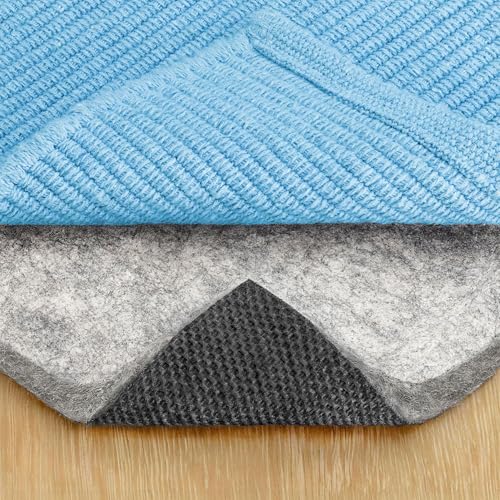
RUGPADUSA – Dual Surface – 9'x12' – 1/2" Thick – Felt + Rubber – Non-Slip Backing Rug Pad – Adds Comfort and Protection – for Hard Surface Floors
- Strong Grip: Keeps rugs firmly in place
- Durable Cushioning: Provides comfort and protection
- High-Quality Materials: Made with recycled, hypoallergenic felt
As an affiliate, we earn on qualifying purchases.
As an affiliate, we earn on qualifying purchases.
Frequently Asked Questions
Do Rugs Improve Soundproofing Between Rooms?
Yes, rugs can improve soundproofing between rooms. By strategically placing rugs with decorative patterns on shared floors, you absorb sound vibrations and reduce noise transfer. Focus on high-traffic areas and consider layering rugs for even better results. Your choice of rug placement directly influences how effectively they dampen sound, creating a quieter, more peaceful home environment.
How Do Rug Materials Affect Noise Reduction?
Imagine your rug as a superhero fighting noise—its power depends on material density and fiber types. Denser materials like wool or thick shag trap more sound, like a sponge soaking up spills. Softer fibers, such as cotton or synthetic blends, do less fighting, letting noise slip through. So, choose high-density, sturdy fibers if you want your rug to be a noise warrior, quieting your space effectively.
Can Rugs Help With Outdoor Noise Insulation?
Yes, rugs can help with outdoor noise insulation. By placing a thick, dense rug in areas near doors or windows, you can absorb some outdoor noise and prevent it from entering your home. Proper rug placement is key; position them strategically to block or dampen sound waves coming from outside. This simple step enhances your home’s tranquility and creates a calmer, more comfortable living space.
Are There Specific Rug Styles Best for Acoustics?
Think of your room as a musical instrument, and the right rug as the perfect tuning. Thick, dense area rugs with plush fibers are best for acoustics, absorbing sound like a sponge. Pair them with quality rug padding to enhance noise reduction. Opt for styles like shag or Berber, which trap sound effectively. These choices create a harmonious, quieter space, turning noise into a distant hum rather than a disruptive roar.
How Do Rugs Compare to Other Soundproofing Methods?
Rugs excel at sound absorption compared to many other soundproofing methods because their materials trap noise effectively. They’re also durable if you choose high-quality options, maintaining their acoustic benefits over time. While wall panels or insulation might block more sound overall, rugs are a practical, stylish solution for reducing noise in your home, especially in high-traffic areas. Plus, they’re easy to install and replace as needed.
Conclusion
So, next time you’re tempted to skip the rug, remember it’s not just about style—it’s your secret weapon against chaos. Ironically, those soft, seemingly insignificant pieces can make your home calmer and quieter, proving that sometimes, the simplest solutions are the most effective. So go ahead, embrace that cozy rug—you’ll be surprised how much peace it brings, all while quietly hiding your clutter and muffling your loudest worries. Who knew quiet comfort could be so easy?
Back to school Picks
back to school
As an affiliate, we earn on qualifying purchases.