
TL;DR

Get cleaning gear delivered free with Prime
- Fast, free delivery on millions of items
- Prime Video, Amazon Music and more included
- Member-only deals all year
The Verge’s Thomas Ricker reported that a $269 Kiwibit Bird Feeder 2 Pro initially brought small birds to his garden, but pigeons later monopolized the feeder and mice gathered below. The experience led him to recommend starting with a cheaper, simpler feeder; it does not establish how often smart feeders attract pests.
The Verge’s Thomas Ricker says he removed a $269 Kiwibit Bird Feeder 2 Pro from his garden after pigeons began dominating the feeder and mice gathered below to eat spilled seed. His account describes how a device that initially attracted small birds became difficult to manage, and concludes with a recommendation to try a simpler, less expensive feeder before investing in an AI model.
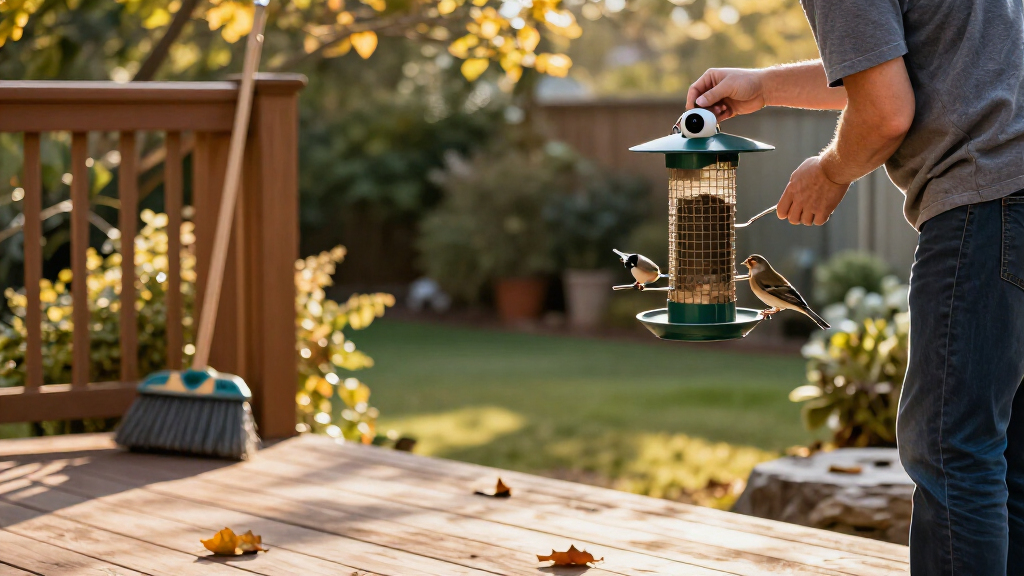
Ricker writes that the feeder drew small birds within weeks of installation. Its AI-powered alerts identified visitors as species including Great Tits and Eurasian Blue Tits, while the camera recorded them in 4K HDR. He also used the accompanying app to read about the birds’ habits, nesting and food preferences.
The situation changed when a Common Wood Pigeon arrived and blocked much of the camera’s view. Ricker activated the feeder’s nuisance-animal alarm, but says the pigeon was not deterred. It continued eating for about 15 minutes, until he went outside and chased it away.
He reports that pigeons subsequently perched at the feeder for 30 minutes or longer, consuming seed and leaving food below. Mice then came to eat the fallen seed. Ricker eventually took the feeder down and put it in a closet. He says he enjoyed using the product before the larger birds took over, and does not blame Kiwibit for the animals’ behavior.
When Bird Cameras Attract Pests
Ricker’s account highlights a practical drawback for people considering a camera-equipped bird feeder: identifying visitors and recording them does not prevent unwanted animals from using the food source. A feeder can serve its intended purpose for smaller birds while also attracting larger birds or rodents, particularly if seed is accessible or falls to the ground.
The experience is a single reported case, not evidence that AI feeders generally cause pest problems. It does, however, show why a buyer may want to think about placement, seed and cleanup as well as image quality and species-recognition features. Ricker’s advice is to test a basic, less expensive feeder first rather than commit to a higher-priced device immediately.
As an affiliate, we earn on qualifying purchases.
From Bird Alerts to Pigeon Takeover
The product Ricker tested was listed as the Kiwibit Bird Feeder 2 Pro 4K AI Camera with Solar Panel, with lifetime AI included. The source refers to its price as both $350 and $269; Ricker describes the unit he mounted as costing $269.
At first, the feeder’s camera and app made it easier for Ricker to watch and identify birds visiting his garden. The nuisance-animal alarm, which he says is typically intended for squirrels and similar visitors, did not stop the pigeon. After the pigeons began returning and mice appeared beneath the feeder, he removed it rather than continue trying to manage the problem.
“Looks like Great Tit!”
— Kiwibit feeder alert, as reproduced by Thomas Ricker
How Common Are Feeder Pests?
The report describes one person’s experience; it does not establish how often pigeons or mice take over smart bird feeders, or whether the same issue is more common with camera-equipped models than with conventional feeders. Ricker also could not tell whether the returning pigeons were the same bird or different birds.
The source does not provide independent testing of the AI species identifications, the alarm’s effectiveness across different animals, or comparative data on pest activity. It also does not describe the feeder’s precise placement, how much seed was spilled, or whether changing the food or setup would have prevented the mice from feeding below.
A Simpler Feeder First
Ricker’s stated next step was to take the Kiwibit feeder down; he says he put it in a closet. He does not report plans to reinstall it or test a different feeder. For readers considering a similar purchase, his recommendation is to begin with a basic, inexpensive feeder without AI and see how birds and other animals respond before spending more.
The report gives no further update on whether the pigeon visits continued after the feeder was removed. It also does not say whether Kiwibit has responded to Ricker’s experience or changed the feeder’s features.
Key Questions
What happened to the Kiwibit feeder?
Thomas Ricker says pigeons began occupying it, and mice gathered below to eat spilled seed. He eventually removed the feeder and put it in a closet.
Did the feeder’s alarm scare away the pigeon?
No. Ricker says he activated the nuisance-animal alarm, but the pigeon continued eating and left only after he went outside and chased it away.
Does this show that smart bird feeders attract pests?
No. The report documents one user’s experience and does not provide data showing how frequently smart feeders attract pigeons or mice.
What did Ricker recommend to prospective buyers?
He suggested starting with a simple, inexpensive feeder without AI rather than buying an expensive model before seeing which animals visit.
Source: rss
Halloween Picks
halloween
As an affiliate, we earn on qualifying purchases.