
If your new rug has a strong, persistent smell, it’s often caused by chemical residues from manufacturing or synthetic fibers releasing volatile organic compounds (VOCs). These odors can affect your indoor air quality and may cause symptoms like headaches or respiratory irritation. While airing out your rug and ventilating your space can help, ongoing odors might indicate deeper issues. Keep exploring to discover effective ways to reduce smells and protect your health.

Get cleaning gear delivered free — and shop member deals
- Fast, free delivery on millions of items
- Access to Prime Big Deal Days deals on October 6–7
- Prime Video, Amazon Music and more included
Key Takeaways
- A strong, persistent new rug smell may indicate chemical emissions or residual manufacturing chemicals, which can impact indoor air quality.
- Synthetic fibers and chemical treatments like stain or fire-retardant chemicals are common sources of abnormal odors.
- If the smell worsens or lingers despite airing out, it could signal mold growth or chemical buildup needing professional attention.
- Chemical or musty odors from a new rug might pose health risks, including respiratory irritation or allergies, especially with prolonged exposure.
- When odors do not dissipate after ventilation and cleaning, consider replacing the rug or consulting a professional for deep cleaning.
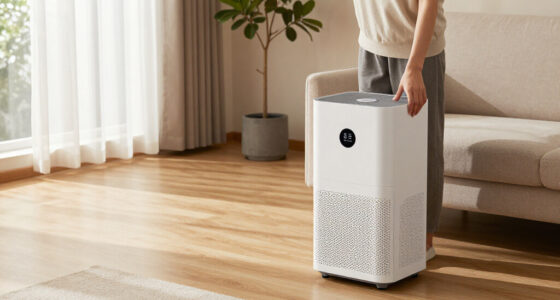
air purifier for indoor air quality
As an affiliate, we earn on qualifying purchases.
As an affiliate, we earn on qualifying purchases.
Is the ‘New Rug’ Smell Normal or Something to Worry About?
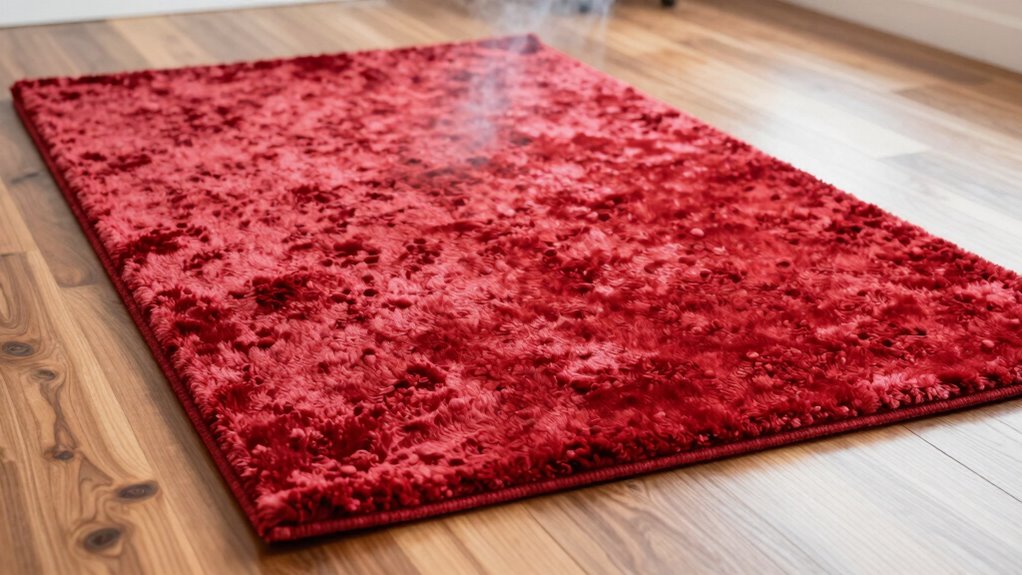
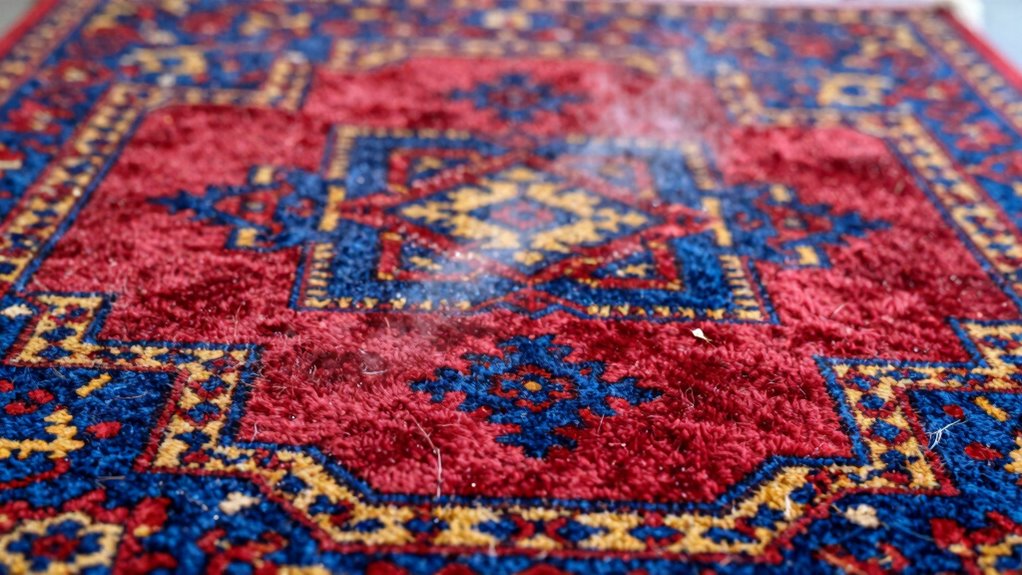
When you first unroll a new rug, it’s common to notice a strong, sometimes unpleasant smell. This odor is usually harmless and a normal part of the manufacturing process, but it can impact your indoor air quality. While a mild smell isn’t a cause for concern, persistent or intense odors might indicate higher levels of indoor pollution. These fumes can come from adhesives, dyes, or synthetic fibers used in the rug. Poor air quality from these emissions can cause headaches, dizziness, or allergic reactions in sensitive individuals. It’s important to assess the smell’s strength and duration. If the odor lingers or worsens, it’s wise to take steps to improve ventilation and reduce potential health risks. Usually, airing out the rug helps diminish the smell quickly.
What Causes Rug Odors? Synthetic Materials and Chemical Treatments Explained
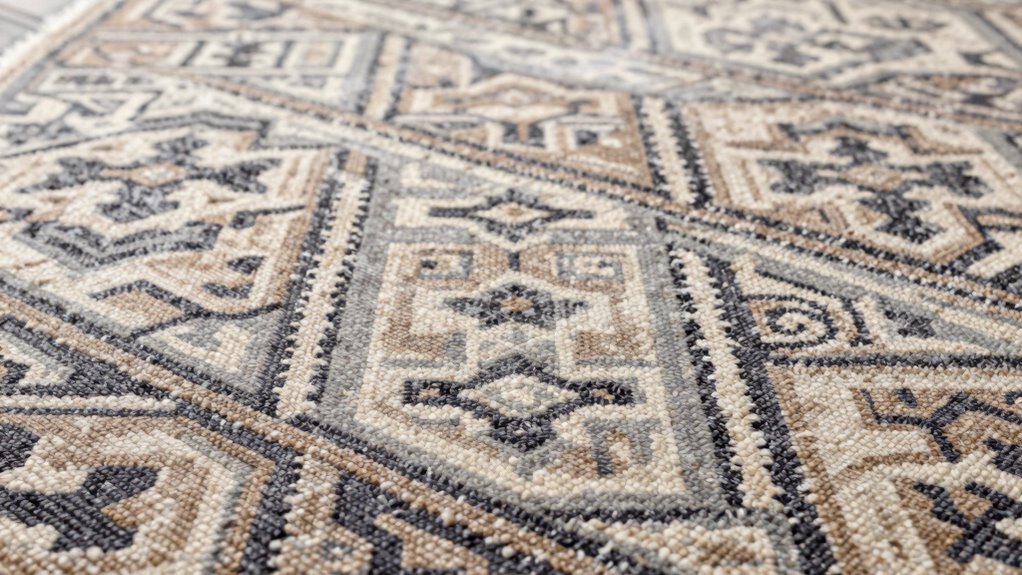
Synthetic materials and chemical treatments are the main culprits behind rug odors. When you buy a rug made with synthetic fibers, it often contains volatile compounds that emit a distinct smell as they off-gas. Chemical treatments used during manufacturing can also release strong odors, especially if they’re designed to resist stains or pests. Here’s what causes these smells:
Synthetic fibers and chemical treatments cause persistent rug odors.
- Off-gassing from synthetic fibers releasing volatile organic compounds (VOCs)
- Residual chemicals from manufacturing processes
- Fire-retardant or stain-resistant chemical treatments
- Trapped odors from adhesives used in rug backing
Understanding VOCs helps explain why these odors can persist long after purchase.
These substances can produce that characteristic “new rug” smell, which may linger for days or weeks. Understanding these causes helps you know what might be contributing to persistent odors in your home.
How Do I Know if Rug Odors Are Affecting My Health?
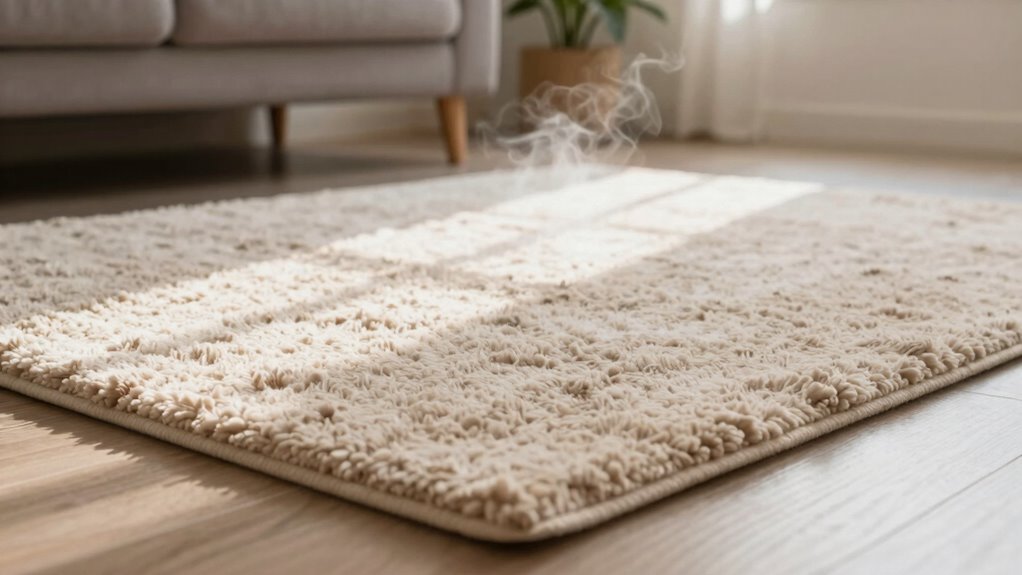
If you notice persistent or strong odors from your rug, it’s important to contemplate how these smells might be affecting your health. Unpleasant rug odors can lower air quality and irritate your respiratory system, especially if you have allergies or asthma. Recognizing symptoms like sneezing, coughing, or a sore throat after being in the room can indicate a problem. Use this table to assess your situation:
| Symptom | Possible Cause |
|---|---|
| Frequent coughing or sneezing | Poor air quality from rug emissions |
| Respiratory discomfort | Chemical irritants in new rug odors |
| Headaches or fatigue | Volatile organic compounds (VOCs) |
Monitoring these signs helps determine if rug odors are impacting your respiratory health. Indoor air quality can also be compromised by other household factors, so staying vigilant is essential.
How to Remove or Reduce New Rug Odors Effectively
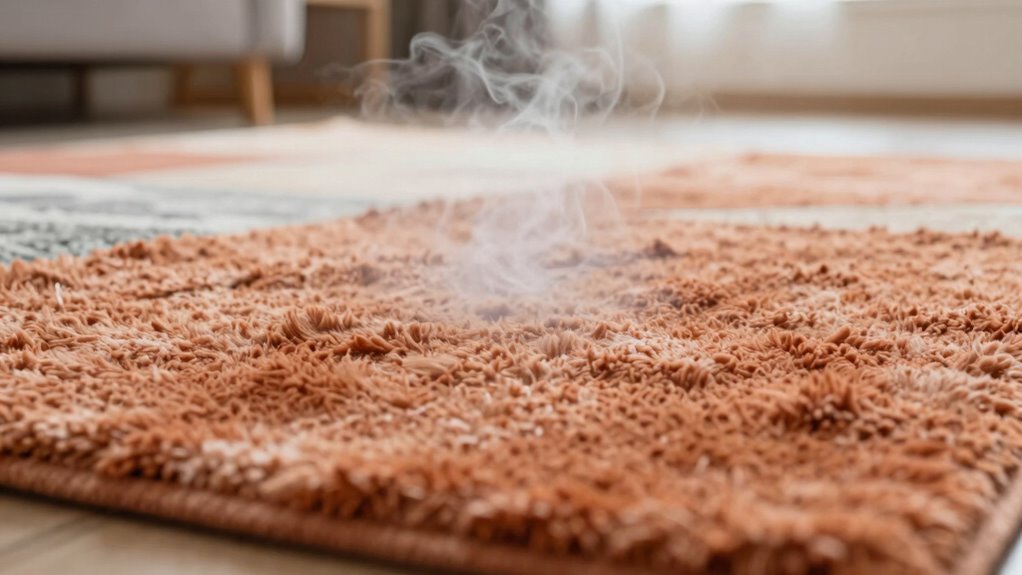
To effectively reduce new rug odors, start by ventilating the room thoroughly. Fresh air helps disperse VOC off gassing and minimizes indoor air pollution. Next, consider these steps:
Ventilate your space thoroughly to disperse VOCs and reduce new rug odors quickly.
- Use fans and open windows daily to improve airflow.
- Sprinkle baking soda over the rug and let it sit for several hours before vacuuming; this absorbs odors.
- Use a dehumidifier to control humidity levels, reducing mold risk.
- Consider an air purifier with activated charcoal filters to trap VOCs and improve air quality.
- Regularly maintain your air purifier to ensure it functions effectively and continues to improve indoor air quality.
These methods help cut down on VOC off gassing and prevent mold growth, which can worsen odors. Consistent airflow and moisture control are key to making your new rug smell fresher faster and ensuring a healthier indoor environment.
When Should I Call a Professional or Consider Replacing My Rug?
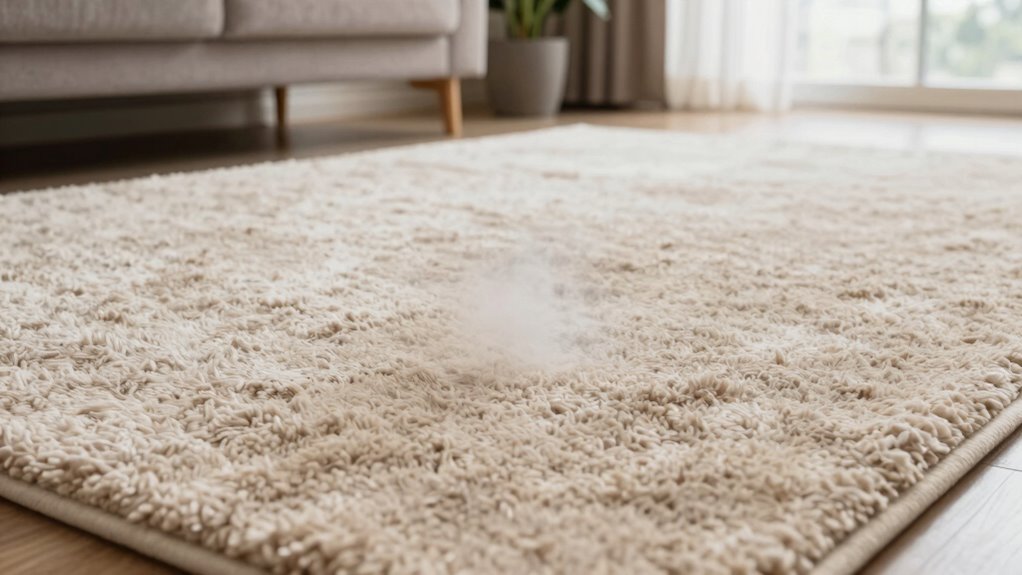
You should contemplate calling a professional or replacing your rug if persistent odors remain despite thorough DIY cleaning and good ventilation. If the smell lingers after multiple attempts to clean, it may indicate deep-seated issues or mold growth that DIY methods can’t resolve. Additionally, if your rug’s odor worsens over time or begins to emit a chemical or musty smell, it’s a sign that it’s reached the end of its rug lifespan. Ignoring these warning signs can affect indoor air quality and your health. In such cases, professional cleaning can help, but replacement might be the safest option. Trust your judgment—when efforts no longer improve the smell or your rug’s condition, it’s time to consider new flooring to ensure a healthy, odor-free environment. Proper humidity management and regular maintenance in high-traffic areas can also help extend your rug’s lifespan and prevent odors from developing.
Frequently Asked Questions
Can Prolonged Exposure to New Rug Smells Cause Health Problems?
Yes, prolonged exposure to new rug smells can cause health problems. When you stay around the strong chemical odors, it reduces your air quality and increases your chemical exposure. This can lead to respiratory issues, headaches, or allergies over time. To protect yourself, make sure of good ventilation and limit your time near the rug until the smell fades. If symptoms persist, consider consulting a healthcare professional.
Are Natural Fiber Rugs Less Likely to Emit Strong Odors?
Natural fiber rugs are like open books, inviting less VOCs and strong odors. Since they’re made from organic materials, they tend to emit fewer chemical smells compared to synthetic options. This means you’re less likely to face the overpowering new rug smell and potential health concerns. Choosing natural fibers can help you breathe easier in your space, making your home a healthier haven from chemical fumes.
How Long Does It Typically Take for New Rug Smells to Disappear?
Typically, new rug smells last from a few days up to a week, but chemical off gassing can extend odor duration in some cases. You can speed up the process by ventilating the room regularly, using fans, or placing the rug outside if weather permits. Keep in mind, natural fiber rugs tend to emit fewer odors and off gassing less, so they usually smell less and for a shorter time.
Can I Use Air Purifiers to Eliminate New Rug Odors?
Think of your air purifier as a superhero cape for your room. Yes, it can help reduce new rug odors by improving air quality. Air purifier effectiveness varies, but many models trap chemical emissions, helping to cut down that strong smell. Place it near the rug, run it for a few hours daily, and you’ll notice less odor over time. It’s a simple step to make your space more comfortable.
Are Certain Room Conditions More Prone to Intensifying Rug Smells?
Yes, certain room conditions can make rug smells worse. If indoor humidity is high, it traps odors and promotes mold growth, intensifying the smell. Poor ventilation prevents fresh air from circulating, causing odors to linger longer. To reduce rug odors, keep humidity levels balanced with a dehumidifier and improve ventilation by opening windows or using fans. These steps help clear out trapped smells and keep your space smelling fresh.
Conclusion
Remember, that new rug smell is like an unwelcome guest overstaying its welcome. By understanding what causes it and how to tackle it, you can clear the air and breathe easier. Don’t ignore persistent odors—they might be a warning sign. With a little effort, you can turn your rug from a chemical factory to a cozy haven. Think of it as giving your space a fresh start, like hitting the reset button on comfort.
Evergreen bestsellers Picks
bestsellers
As an affiliate, we earn on qualifying purchases.