
During winter, static often increases due to dry air and low humidity, making clothes cling and hair frizz. Static-control sprays work by applying a thin, conductive coating to surfaces and fabrics, neutralizing static charges before they cause shocks or cling. Look for lightweight formulas with ingredients like silicones or antistatic agents, and choose sprays suitable for your fabric types. To discover tips on applying and maintaining static-free clothing all winter long, keep exploring these solutions.
Key Takeaways
- Use lightweight, anti-static sprays containing quaternary ammonium, silicones, or alcohols to neutralize static charges effectively during winter.
- Apply sprays evenly on fabrics and surfaces, holding the bottle 6–8 inches away, and allow them to dry completely.
- Increase indoor humidity with humidifiers to reduce static buildup on clothes, hair, and surfaces.
- Opt for natural fibers like cotton and moisturize skin and hair to minimize static generation in dry winter air.
- Reapply static-control sprays regularly, especially after washing or heavy use, to maintain static reduction throughout winter.
Understanding How Static Builds Up in Winter

During the winter months, static builds up more quickly because the dry air allows electrical charges to accumulate easily on surfaces and your body. When the air lacks humidity, it becomes harder for static electricity to dissipate naturally. As you move around, friction between your clothes, hair, and other surfaces causes electrons to transfer, creating an imbalance of charges. Without moisture in the air to conduct these charges away, they stay stuck on surfaces and your skin. This buildup leads to those surprising static shocks and annoying static cling on clothing and furniture. Cooler temperatures also make materials less conductive, further trapping static electricity. Additionally, air humidity levels play a crucial role in how quickly static dissipates, making it essential to monitor indoor moisture. Understanding this process helps you recognize why static is more persistent during winter and prepares you to take steps to reduce it.
How Static-Control Sprays Work to Reduce Static Electricity

Static-control sprays work by applying a thin, conductive coating to surfaces and fabrics, which helps prevent the buildup of static electricity. This coating neutralizes static charges as they form, reducing shocks and static cling. When you spray it on your clothing, carpets, or upholstery, it creates a barrier that disperses static charges evenly. The spray’s molecules attract and neutralize electrons, ensuring charges don’t accumulate to dangerous levels.
Static-control sprays create a conductive barrier that neutralizes static charges and reduces static cling effectively.
- Creates a conductive layer to prevent charge buildup
- Neutralizes static charges instantly
- Reduces static cling on clothes and fabrics
- Disperses static energy safely and evenly
Top Ingredients to Look for in Static-Control Products

When choosing a static-control spray, focus on ingredients that effectively reduce static buildup. Look for anti-static agents that neutralize static electricity and moisturizers that keep your hair healthy and hydrated. Opt for lightweight formulations to avoid weighing your hair down, especially in winter’s dry conditions.
Effective Anti-Static Agents
Choosing the right anti-static agents can make a significant difference in reducing static buildup during winter months. Look for ingredients that actively neutralize static charges and prevent them from forming. Quaternary ammonium compounds are effective because they coat surfaces and dissipate static electricity. Antistatic alcohols, like ethanol or isopropanol, help reduce static by humidifying the air and surfaces. Silicone-based agents create a thin, protective layer that prevents static buildup on fabrics and surfaces. Additionally, certain surfactants can improve moisture retention, decreasing static cling. When selecting a product, check for these key ingredients to guarantee it provides lasting static control, especially when indoor humidity drops and static issues become more persistent.
Nourishing Moisturizers
Incorporating nourishing moisturizers into static-control products can substantially improve their effectiveness by maintaining skin and surface hydration. Look for ingredients that lock in moisture and prevent dryness caused by cold, dry air. Humectants like glycerin and hyaluronic acid draw water into skin and surfaces, boosting flexibility and reducing static buildup. Emollients such as shea butter and jojoba oil create a protective barrier, sealing in moisture and smoothing rough textures. Occlusives like petrolatum form a shield that prevents moisture loss altogether. Here’s a quick guide to top ingredients:
| Ingredient | Function | Benefit |
|---|---|---|
| Glycerin | Humectant | Hydrates skin and surfaces |
| Shea Butter | Emollient | Softens and nourishes |
| Petrolatum | Occlusive | Locks in moisture |
| Hyaluronic Acid | Humectant | Deep hydration |
| Jojoba Oil | Emollient | Restores moisture balance |
A new sentence with skin hydration and the rest of the sentence.
Lightweight Formulations
Opt for lightweight static-control formulations that deliver effective static reduction without feeling heavy or greasy on your skin or surfaces. Look for products with ingredients designed to neutralize static without adding bulk or residue. These formulations are ideal for daily use, especially during winter when static tends to increase. Incorporating mindfulness in product selection can help you choose options that align with your skin and surface care needs.
- Dimethicone: Provides a smooth, non-greasy barrier that reduces static buildup.
- Cyclomethicone: Lightweight silicone that disperses easily, offering a comfortable feel.
- Alkyl Polyglycosides: Gentle surfactants that help tame static without stripping moisture.
- Aloe Vera: Adds hydration and soothes skin while maintaining a light touch.
Choosing products with these key ingredients ensures effective static control without sacrificing comfort or convenience.
Choosing the Right Static-Control Spray for Different Fabrics

To select the best static-control spray, you need to consider fabric compatibility to avoid damage. Proper application methods ensure even coverage and effectiveness, while choosing a formula that offers long-lasting results keeps static at bay throughout the day. By paying attention to these points, you can protect different fabrics effectively during winter. Additionally, selecting a spray designed for the specific type of fabric, such as fabric-specific formulations, can further enhance static control effectiveness.
Fabric Compatibility Tips
Choosing the right static-control spray depends on the fabric you’re treating. Different materials react differently to various sprays, so selecting the appropriate one guarantees effectiveness and fabric safety. For delicate fabrics like silk or wool, opt for sprays labeled as gentle and alcohol-free to prevent damage. Synthetic fabrics such as polyester or nylon often tolerate stronger formulations, but always check for compatibility. Natural fibers like cotton can usually handle most sprays, yet it’s wise to test a small area first. Keep these tips in mind:
- Read the label for fabric-specific recommendations
- Test on a hidden area before full application
- Avoid sprays with high alcohol content on fragile fabrics
- Use light, even coats to prevent over-saturation
- Be mindful of trust issues that can arise from improper treatment, as it may lead to damaged fabrics or ineffective static control.
Following these tips helps protect your fabrics while controlling static.
Spray Application Methods
Applying static-control spray correctly guarantees you get the best results without damaging your fabrics. Start by holding the spray bottle about 6–8 inches from the surface. For delicate fabrics like silk, spray lightly and evenly, avoiding oversaturation. For heavier materials like wool or polyester, apply a slightly thicker coat, ensuring full coverage. Use smooth, sweeping motions to prevent pooling or streaks. Practicing even application helps maintain fabric integrity and reduces static effectively, especially when understanding fabric types and their sensitivities.
Long-Lasting Effectiveness
Selecting the right static-control spray for different fabrics guarantees your treatments last longer and stay effective through daily wear and washing. To guarantee lasting results, choose a spray formulated for your specific fabric type. For delicate fabrics like silk or wool, opt for a gentle, low-residue formula that won’t damage fibers. For sturdy textiles such as cotton or polyester, a stronger, more durable spray can provide extended protection. Always follow the manufacturer’s instructions for proper application and drying time. Reapply as needed, especially after washing or heavy use. Properly selecting and applying a suitable spray helps maintain fabric smoothness and reduces static cling over time.
- Match the spray to your fabric type
- Use lighter applications on delicate materials
- Reapply after washing or heavy use
- Follow application instructions carefully
Tips for Applying Static-Control Spray Effectively
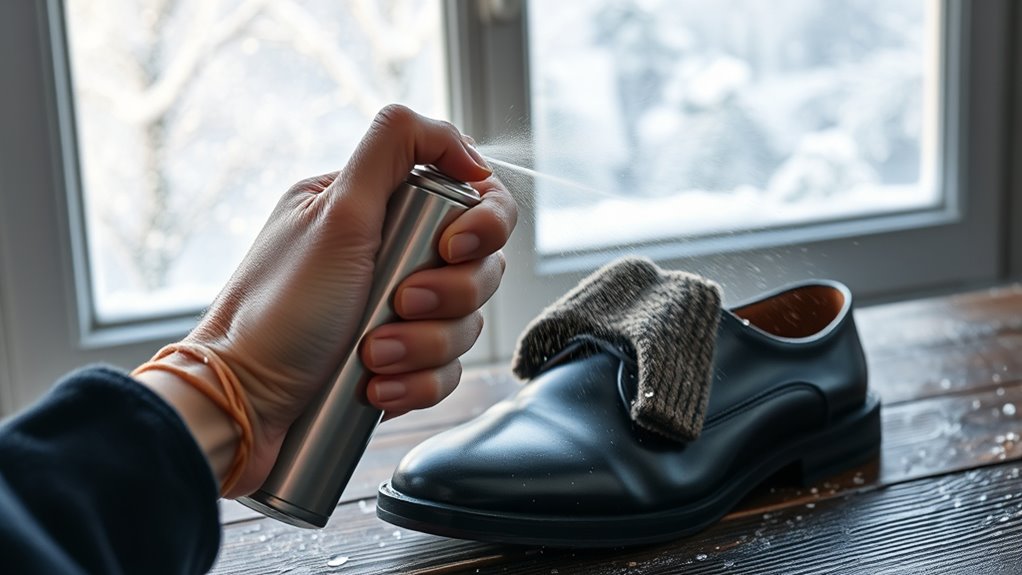
To get the best results from static-control sprays during winter, it’s important to apply them correctly. First, ensure the surface is clean and dry before spraying. Hold the bottle about 6 to 8 inches away from the item and spray evenly, covering all affected areas. Avoid oversaturating, as this can lead to buildup or a sticky residue. For best results, apply the spray in a light, continuous motion, and allow it to dry completely before handling the item. Test the spray on a small hidden area first to check for any discoloration or damage. Remember, less is often more—reapplying in thin coats can be more effective than heavy applications. Proper technique helps guarantee your static-control efforts are both safe and effective. Additionally, using a properly maintained spray can ensure consistent performance and better long-term results.
Alternatives to Sprays for Managing Static During Cold Months

While static-control sprays are effective, exploring alternative methods can offer additional relief during the cold months. You can try adding moisture to your environment, which helps reduce static buildup. Using a humidifier increases humidity levels, making your surroundings less prone to static. Wearing natural fibers like cotton instead of synthetic fabrics can also help, as they don’t generate as much static. Additionally, applying moisture to your hair and skin with lotion or oil keeps static charges at bay. Finally, touching grounded objects, such as metal fixtures or water pipes, can discharge static electricity safely. Incorporating AI-powered environmental controls can optimize indoor humidity and reduce static more efficiently. These alternatives work together to minimize static without relying solely on sprays, giving you a variety of effective options to stay comfortable and static-free throughout winter.
Common Mistakes to Avoid When Using Static-Control Products

Even though static-control sprays can be effective, many people make common mistakes that reduce their effectiveness or cause unwanted side effects. One mistake is overusing the spray, which can leave residues and make fabrics sticky. Another is applying it to dirty or dusty surfaces, preventing proper static reduction. You also might forget to hold the spray at the right distance, leading to uneven coverage. Additionally, using incompatible products can cause chemical reactions or damage. Proper application techniques, such as understanding product compatibility, are essential for optimal results.
Maintaining Static-Free Clothes and Hair Throughout Winter
Maintaining static-free clothes and hair during winter requires consistent effort, especially as dry air and indoor heating increase static buildup. To stay static-free, consider these tips:
- Use a humidifier to add moisture to the air, reducing static electricity.
- Apply anti-static sprays directly on clothes and hair for quick relief.
- Wear natural fibers like cotton, which resist static better than synthetic fabrics.
- Regularly moisturize your skin and hair to keep them less prone to static cling.
- Incorporating specialized planters can help maintain indoor humidity levels, thereby reducing static buildup.
Frequently Asked Questions
Are There Environmentally Friendly Static-Control Sprays Available?
You’re wondering if eco-friendly static-control sprays exist. Yes, they do! Many brands now focus on sustainability, using natural ingredients and biodegradable formulas. Look for products labeled as eco-friendly or non-toxic, and check for certifications like USDA Organic or EcoCert. By choosing these options, you can reduce your environmental impact while effectively managing static, especially during winter months when static tends to be more problematic.
How Long Does a Typical Static-Control Spray Last After Application?
You wonder how long a typical static-control spray lasts after applying. Usually, it provides protection for several hours, often between 4 to 8 hours, depending on factors like humidity, fabric type, and activity level. For long-lasting results, follow the instructions carefully and reapply as needed. Keep in mind, environmental conditions and proper application considerably influence how long the static control remains effective.
Can Static-Control Sprays Be Used on Delicate or Sensitive Fabrics?
They say “better safe than sorry,” and that applies here. Static-control sprays can be used on delicate or sensitive fabrics, but you should always test a small, hidden area first. Look for sprays labeled safe for delicate materials, and follow the manufacturer’s instructions carefully. If you’re cautious, you’ll prevent damage while keeping static at bay. When in doubt, it’s better to err on the side of caution.
Are There Any Health Risks Associated With Using Static-Control Sprays Frequently?
You might wonder if frequent use of static-control sprays poses health risks. While most sprays are safe when used as directed, overuse can cause skin or eye irritation, especially if you have sensitivities. Prolonged inhalation of chemicals in some sprays could lead to respiratory issues. To stay safe, follow the instructions carefully, use in well-ventilated areas, and consider choosing sprays with natural ingredients if you have concerns.
How Do I Store Static-Control Sprays to Maintain Their Effectiveness?
To keep your static-control sprays effective, store them in a cool, dry place away from direct sunlight and heat sources. Make sure the caps are tightly sealed to prevent evaporation and contamination. Avoid extreme temperatures, as they can reduce spray potency. Keep the bottles upright to prevent leaks and ensure easy access. Proper storage prolongs the spray’s lifespan, so your static control remains reliable whenever you need it.
Conclusion
By using the right static-control sprays and techniques, you can banish static cling like a knight slaying a dragon. Remember to choose products with effective ingredients, apply them properly, and explore alternatives if needed. With these tips, you’ll keep your clothes and hair static-free all winter long, turning the season from a static battlefield into a smooth sailing journey. Say goodbye to surprises and hello to a comfy, static-free winter!