
TL;DR

Get cleaning gear delivered free with Prime
- Fast, free delivery on millions of items
- Prime Video, Amazon Music and more included
- Member-only deals all year
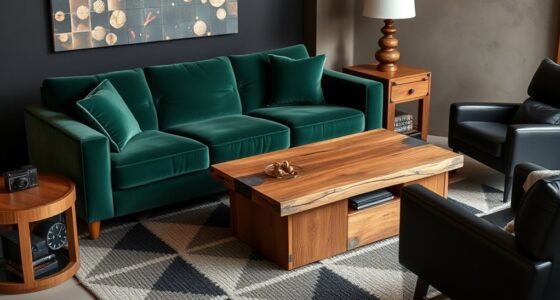
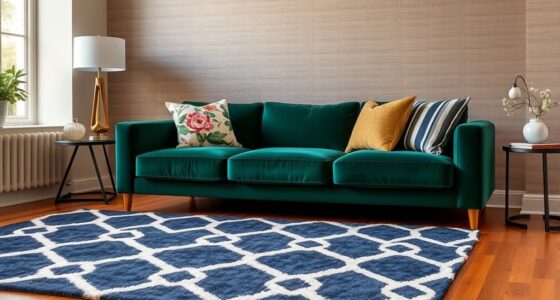
A House Beautiful report outlines mistakes that can make vintage and antique decor feel forced, including filling a room too quickly and assuming every old piece must be its focal point. Designers interviewed for the story recommend taking time, mixing periods and styles, and choosing pieces that suit the people who live in the home.
House Beautiful has published a report on common mistakes people make when styling vintage and antique decor, with designers advising readers to start gradually, mix design periods, and let old pieces complement rather than dominate a room. The guidance addresses a growing interest in more personal, collected interiors, but the report presents it as expert advice, not as a set of formal design rules.
The report identifies rushing to furnish a room as one way to end up with vintage pieces that do not feel right. New York-based decorator and vintage collector Nancy Cavaliere advises taking time to find pieces rather than filling an empty space simply because it is there. She suggests starting with a smaller item, such as art, a mirror, or a vase, and seeing how it works in the room.
Sarah West, founder of Sarah West & Associates, recommends trying a small piece in a space for a few days, then moving it if needed. The report also cautions against assuming that an antique must become the room’s focal point just because it is old or unusual. Cavaliere says vintage items can sit comfortably alongside ordinary furnishings, while West describes them as details that can add interest as people move through a room.
Other advice in the article challenges the idea that a room must represent a single era. Designer Alex Bass says people can combine periods and styles that appeal to them rather than discarding a piece because another design period is currently receiving attention. The report also begins to address fear of altering vintage pieces, but the supplied source text ends before giving the designers’ full advice on that issue.
A More Personal Mix of Old and New
The advice matters to readers who want to bring vintage finds into a home without making the room feel like a showroom or a historical set. Rather than requiring a complete redesign, the designers describe small, gradual choices as a way to test how an older object works with existing furniture, colors, and patterns.
Their approach also gives readers permission to combine different price points and periods. Cavaliere says a flea-market find can work beside a more expensive designer item, while Bass points to contrast between modern architecture and antiques as one possible direction. These are designers’ opinions and examples, not guarantees that every combination will suit every home.
Products Worth Considering

Samsung 65-Inch The Frame Pro Neo QLED 4K TV (2026) Bundle with Modern Brown Bezel, HDMI Cables, and Home Theater Guide

Levoit Core 400S-P Smart Air Purifier for Large Rooms (Up to 1,718 sq ft)

Blueair Blue Pure 511i Max Air Purifier
As an affiliate, we earn on qualifying purchases.
Why Designers Favor Collected Rooms
The report frames its advice against a shift away from rooms that appear to have been furnished all at once from a single brand. It says homeowners are showing interest in interiors that feel collected and personal, and cites West’s view that a vintage or antique object can add a sense of history even in a modern or transitional room.
The designers interviewed stress that there are no strict rules for styling these pieces; personal taste should guide decisions. The article points to mixing periods—such as Art Deco and midcentury modern—as one way to avoid treating design eras as mutually exclusive or as trends that must be followed wholesale.
“I think it’s important to add at least some kind of antique or vintage piece in every room.”
— Sarah West, founder of Sarah West & Associates
Advice Beyond the Available Excerpt
The supplied report text is incomplete: it ends at the heading about being afraid to alter vintage pieces, before the related explanation or recommendations appear. The source material therefore does not establish which alterations the designers endorse or what precautions they advise.
The article offers individual designers’ guidance rather than survey data or a measured account of how many homeowners are changing their decor. It also does not specify a publication date in the material provided, or establish how widely the described interest in antiques and vintage items is occurring.
How to Apply the Designers’ Tips
Readers can begin by testing one smaller vintage item in an existing room, as West suggests, and taking time before committing to larger purchases. They can also try placing a distinctive antique alongside contemporary or everyday furnishings instead of making it the sole focal point.
The report provides no scheduled follow-up or announced next step. For readers considering changes to an older object, the complete article would be needed to confirm the advice that follows its unfinished section on altering pieces.
Key Questions
What is the main advice in the report?
Take your time, begin with a small piece, and see how it works with the room before making bigger changes. The designers also recommend mixing styles and periods rather than following a single-era formula.
Does an antique have to be the focal point of a room?
No. Cavaliere says an old piece does not need to be the star simply because it is antique. It can sit alongside contemporary or ordinary furnishings and contribute to the room without dominating it.
Can different design periods be combined?
The designers interviewed say they can. Bass encourages readers to choose pieces from different periods that appeal to them and make sense together in their space.
What does the report say about altering vintage pieces?
The supplied text introduces fear of altering pieces but stops before giving the designers’ recommendations. Specific advice about whether or how to alter an item cannot be confirmed from the excerpt.
Source: housebeautiful.com