
TL;DR
A homeowner who installed engineered oak flooring in a kitchen says it remains attractive and comfortable after five years, but missed annual resealing has left it needing substantial restoration. The account says engineered wood can suit kitchens, while warning that spills and routine maintenance matter.
A homeowner reviewing five years with engineered oak flooring in her kitchen says the floor still offers the warmth and appearance she wanted, but now needs sanding and renewed protection after she missed its recommended annual resealing. Her account highlights a practical trade-off for homeowners: engineered wood can work in a kitchen, but it is not a fit-and-forget surface.

Get cleaning gear delivered free with Prime
- Fast, free delivery on millions of items
- Prime Video, Amazon Music and more included
- Member-only deals all year
The homeowner says she chose multi-width oak planks with a white-speckled finish from Naked Floors during a renovation. She had previously used porcelain tiles, which she found cold and hard, and luxury vinyl tiles, which she says were difficult to clean. The new timber floor initially met her expectations, adding a light, beachy look to the kitchen and drawing compliments from visitors.
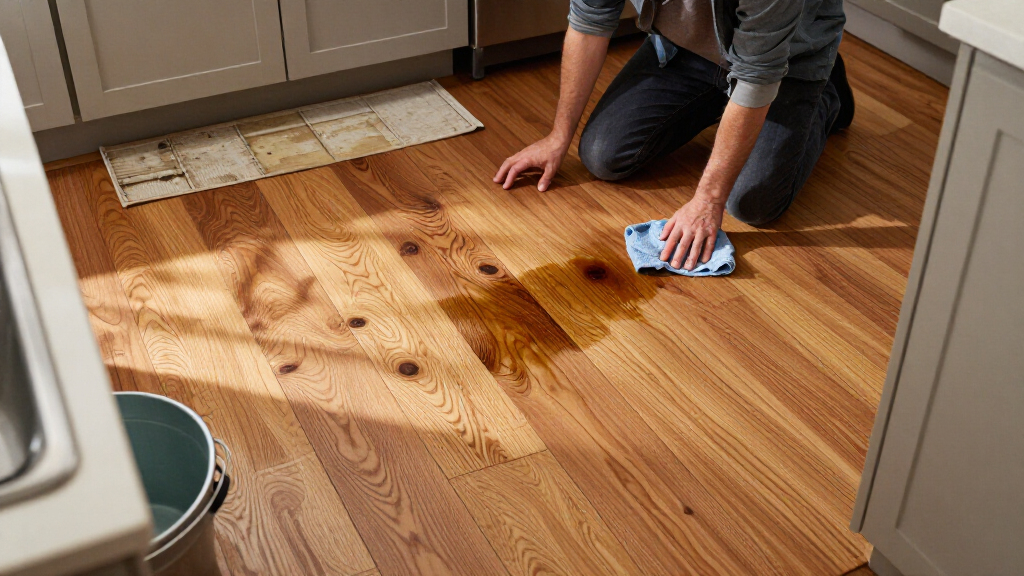
After five years, she says the flooring itself is not at fault. Instead, she attributes its worn appearance to her own failure to follow the annual resealing schedule. She reports dull patches, stains, wear in busy areas and marks from water and puppy accidents. The floor now needs to be sanded back and refinished, though she does not give a cost, timeline or technical assessment of the work.
She says she generally cleans up obvious spills quickly and uses recommended cleaning products, but missed some water from plant pots and other incidents. Her review also describes the floor as warm underfoot, more comfortable than tile during long periods of standing, and visually effective across an open-plan kitchen and dining area.
Engineered oak in the kitchen beauty comes with upkeep
After five years, one homeowner still values the floor’s warmth and appearance, but missed resealing has left it needing substantial restoration.
What worked well
The homeowner says engineered oak suited the look and feel she wanted.
Light, natural look
The white-speckled oak brought a bright, beachy feel and drew compliments.
Warmer underfoot
She found it more comfortable than tile during long periods of standing.
Continuous flooring
The boards connect the entrance hall, kitchen and adjoining dining area.
What went wrong
She attributes the worn appearance to missed care and everyday kitchen exposure.
She says her floor called for annual resealing.
She reports dull patches, stains, busy-area wear and water marks.
The floor needs sanding and refinishing; cost and timing are not given.
The trade-off for buyers
The review is one homeowner’s experience, not a general product test.
- Warmth and comfort underfoot
- Natural oak appearance
- A continuous look across rooms
- Follow the product’s care instructions
- Clean spills promptly
- Keep up with scheduled maintenance
The Cost of Missed Floor Care
The account offers a homeowner’s practical example of how maintenance affects a wood floor’s condition. A kitchen is exposed to spills, foot traffic and frequent cleaning, so a protective finish can matter as much as the material’s initial appearance. The reviewer’s experience suggests that failing to renew that protection may leave a floor more vulnerable to staining and uneven wear.
For people choosing kitchen flooring, the distinction is between suitability and convenience. The reviewer considers engineered wood suitable for her kitchen, but stresses that buyers need to be comfortable following the flooring maker’s care instructions. Those who want a surface requiring little scheduled upkeep may weigh that obligation against the warmth and continuity she values.
Her account is personal experience, not a controlled comparison of flooring products. It does not establish how all engineered wood floors perform, or whether every finish needs the same care interval. The relevant schedule depends on the product and its manufacturer’s instructions.
Products Worth Considering

Ring Battery Doorbell Plus (2nd Gen) and Spotlight Cam Plus Battery Bundle

Dyson V8 Cordless Vacuum

Philips Hue Smart Light Starter Kit with Bridge and 4 White and Color A19 Bulbs
As an affiliate, we earn on qualifying purchases.
Why Engineered Wood Was Chosen
The homeowner says her choice followed unsatisfactory experiences with two other kitchen-flooring types. Porcelain tile looked good to her but felt cold and unforgiving when items were dropped. Luxury vinyl tile was intended to be easy-care, but she says residue remained after cleaning and dirt collected in the joints.
She selected engineered oak for its real-wood surface and natural appearance. Unlike solid timber planks, engineered flooring has a layered base beneath its wood surface; the source describes that construction as making it better suited to changing kitchen temperatures than solid wood. The review does not provide product specifications or independent testing to support a broader performance comparison.
In the home, the boards run from the entrance hall through the kitchen and into an adjoining dining area. The homeowner says this continuous installation helps link the extension and original part of the house. Her favorable comments about warmth, comfort and appearance sit alongside the problems she reports from water exposure and overdue maintenance.
““Engineered wood is not a ‘fit and forget’ kind of surface.””
— The homeowner
The Repair Plan Remains Unspecified
The account does not say when the floor will be sanded or refinished, how much the work will cost, or whether a professional will carry it out. It also does not identify the exact finish or provide the flooring manufacturer’s care instructions, so the reported annual resealing interval should not be treated as universal guidance for every engineered wood product.
The homeowner describes particular water marks, dull areas and wear, but provides no independent inspection or technical finding on their cause. Her experience does not establish that engineered wood floors generally need sanding after five years; the condition and possible refinishing options can vary by product, finish and depth of damage.
Follow the Product’s Care Schedule
The homeowner says the floor needs to be sanded back and started again, but gives no date or confirmed restoration plan. The next step for her is therefore not yet clear from the account. For other owners, the review points to checking the specific product’s care instructions, cleaning spills promptly and keeping up with any scheduled oiling or resealing.
Anyone considering engineered wood for a kitchen will need to compare the look and comfort they want with the maintenance they can realistically perform. The review’s main finding is limited but direct: this floor has suited the homeowner’s kitchen in many ways, while missed upkeep has left it needing significant attention.
Key Questions
Is engineered wood flooring suitable for a kitchen?
The homeowner says it can work well in a kitchen, citing its warmth, appearance and comfort. She also warns that it needs care and that repeated or unnoticed water exposure can leave marks. Suitability depends on the product and its care requirements.
What went wrong with this kitchen floor?
The homeowner says she missed the recommended annual resealing. She reports dull patches, stains, traffic wear and water marks, and says the floor now needs sanding and refinishing. She does not describe an independent inspection.
How often should engineered wood be resealed?
The reviewer says resealing was an annual requirement for her floor. That interval should not be assumed to apply to every product; owners should check the manufacturer’s instructions for their specific flooring and finish.
What advantages did the homeowner notice?
She says the floor feels warmer and more comfortable underfoot than tile and creates a continuous look between the kitchen and adjoining spaces. She also liked the oak’s natural grain and light finish.
Source: idealhome.co.uk