
Choosing organic wool over conventional wool can substantially improve your home by reducing chemical exposure, which leads to better indoor air quality and less irritation. Organic wool is softer, feels more natural, and is free from synthetic dyes and pesticides, making it safer for sensitive skin and healthier overall. It’s also more sustainable and durable, supporting eco-friendly choices. If you want to discover how these changes can impact your space further, keep exploring the details.
Key Takeaways
- Organic wool reduces airborne VOCs and allergens, improving indoor air quality and creating a healthier home environment.
- It feels softer and more natural, offering enhanced comfort and skin friendliness compared to conventional wool.
- Organic wool’s eco-friendly processing minimizes chemical residues, lowering allergy risks and promoting safety for sensitive individuals.
- Using organic wool supports sustainable farming, decreasing environmental impact and conserving resources in your home’s surroundings.
- Overall, organic wool offers longer-lasting durability and natural qualities, reducing the need for frequent replacement.
What Are the Main Differences Between Organic and Conventional Wool?
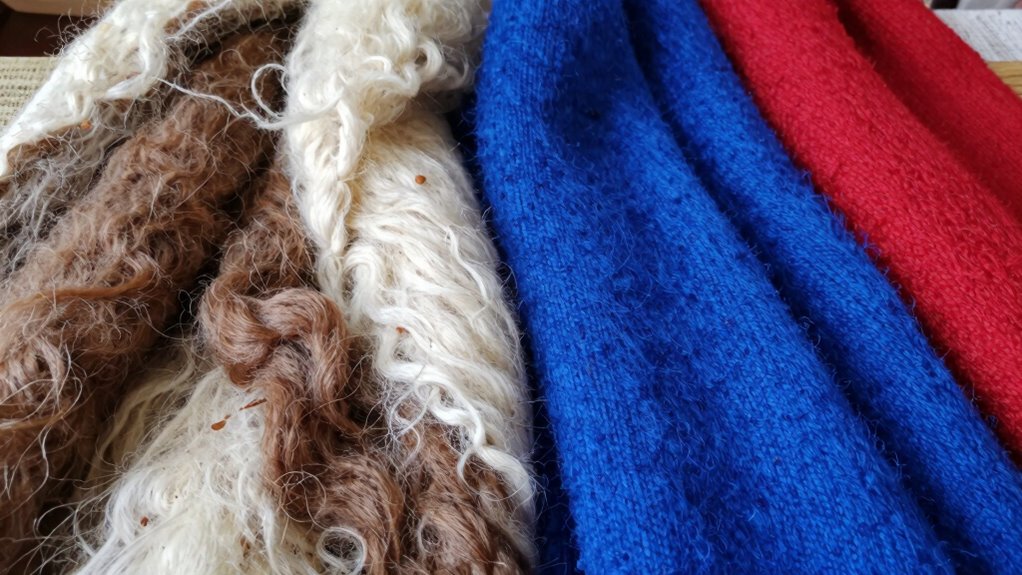
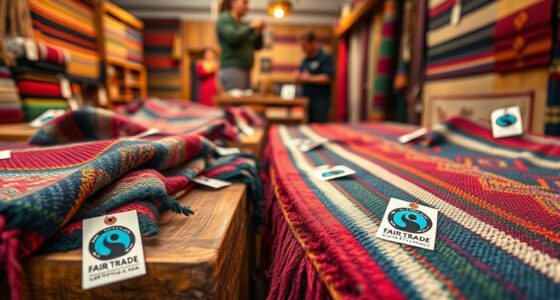
Ever wondered what sets organic wool apart from conventional wool? The key difference lies in fiber quality and certification standards. Organic wool comes from sheep raised without synthetic chemicals, pesticides, or genetically modified feed, resulting in cleaner, healthier fibers. These fibers tend to be softer, more durable, and better for sensitive skin. Certification standards, such as GOTS or USDA Organic, ensure strict adherence to eco-friendly practices and humane treatment. Conventional wool, on the other hand, may involve chemicals during processing and is often less regulated, which can impact fiber quality. Choosing organic wool guarantees you’re supporting sustainable farming practices and getting a product that’s safer for your home environment and the planet. Additionally, Indonesian decor masks exemplify how cultural artistry and natural materials can enhance your home’s aesthetic while aligning with eco-conscious values.
How Does Wool Production Affect Your Home Environment?

Wool production can considerably impact your home environment, especially depending on how the fibers are sourced and processed. Conventional wool often involves chemicals and synthetic treatments that can release volatile organic compounds (VOCs), which may lower indoor air quality. These chemicals can linger in your home, potentially causing irritation or allergic reactions, especially if you’re sensitive to allergens. Organic wool, on the other hand, is processed with fewer or no harmful chemicals, reducing the presence of airborne irritants. Additionally, the allergen levels in wool products can vary; untreated, organic wool tends to have fewer residual allergens, making it a safer choice for sensitive individuals. Overall, your choice of wool can influence indoor air quality and allergen levels, impacting your health and comfort at home. Understanding wool processing methods can help you make more informed choices for a healthier living environment.
Do Organic and Conventional Wool Feel and Look Different?

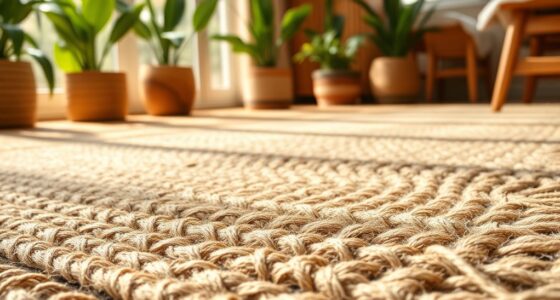
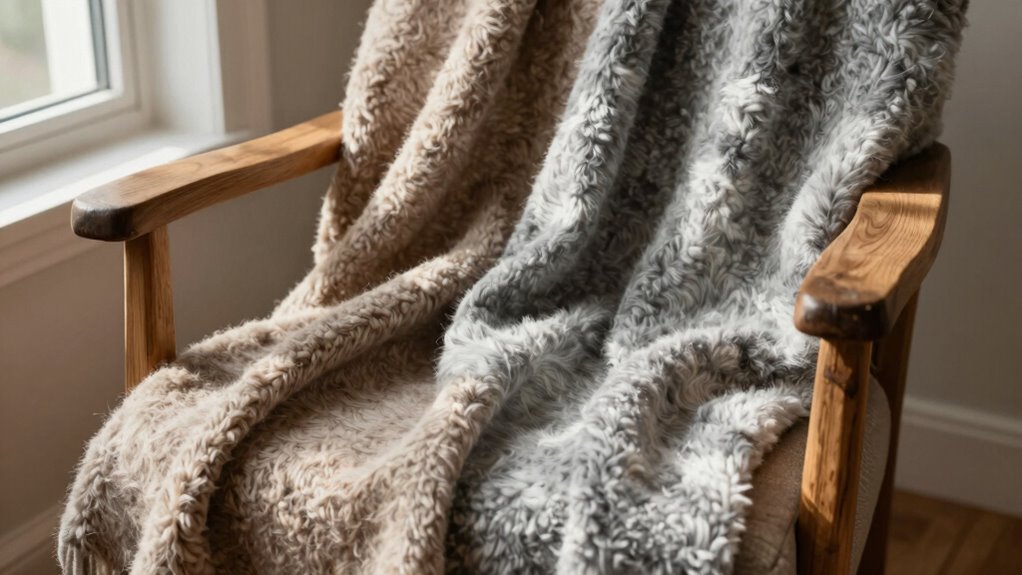
Although organic and conventional wool originate from similar sources, they can feel and look quite different. Organic wool often has a softer, more plush texture due to the gentle processing methods used, while conventional wool may feel slightly rougher or denser. In terms of visual appearance, organic wool tends to have a more natural, matte finish, with subtle variations in color and fiber consistency. Conventional wool can sometimes look shinier or more uniform because of chemical treatments and finishing processes. These texture differences and visual appearance variations influence how the wool feels against your skin and how it complements your home decor. Additionally, processing methods can significantly impact the final texture and appearance of the wool. Ultimately, your choice might depend on your preferences for feel, look, and the natural qualities of the wool.
Are Organic Wool Items Safer or Better for Your Health?

Are organic wool items safer and better for your health? Many people assume they are, mainly because organic wool undergoes fewer chemical treatments. Traditional wool can carry allergy risks due to pesticides or synthetic dyes used in processing, which may irritate sensitive skin or trigger allergies. Organic wool, on the other hand, is produced without harmful chemicals, minimizing chemical exposure during manufacturing. This reduces the chances of skin irritation and respiratory issues. If you have allergies or sensitivities, choosing organic wool can be a safer option. It also means you’re less likely to be exposed to chemical residues that might linger in conventional wool products. Additionally, color accuracy in dyeing processes can affect the visual appeal of wool items, with organic options often utilizing natural dyes that are gentler on the skin and environment. Overall, organic wool offers a cleaner, more natural choice that can contribute positively to your health and well-being.
How Do Costs and Sustainability Compare?
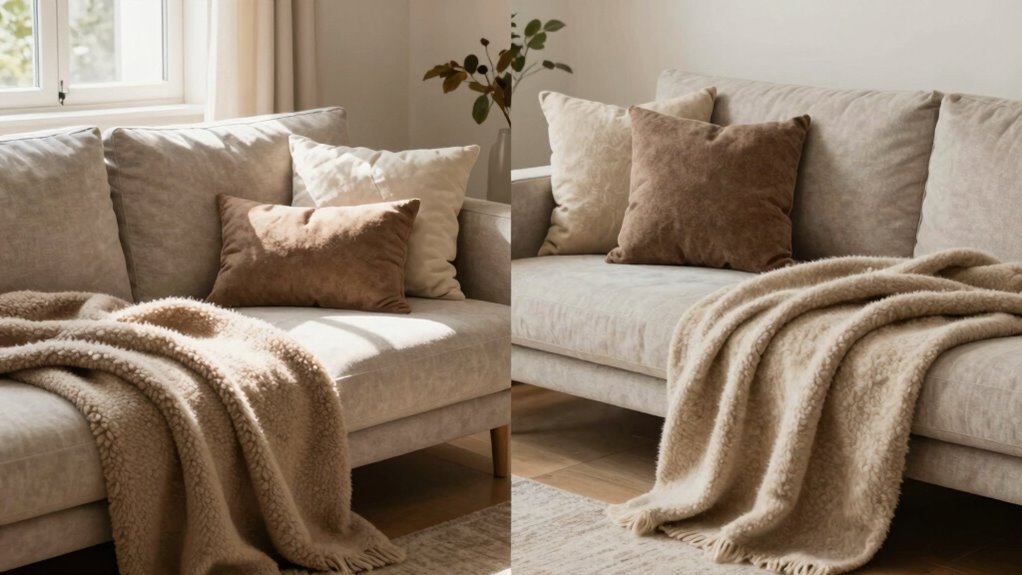
You might notice that organic wool often costs more upfront than conventional options, but the long-term benefits could balance that out. When you compare their environmental impacts, organic wool typically has a smaller ecological footprint due to sustainable farming practices. Considering both costs and sustainability helps you make a more informed choice between the two. Additionally, organic wool often features healthier fibers that may be gentler on sensitive skin and reduce exposure to chemical treatments common in conventional wool.
Cost Differences Explored
When comparing the costs of organic wool to conventional wool, you’ll notice that organic options typically come with a higher price tag upfront. This price variation reflects the more sustainable farming practices and stricter standards involved in producing organic wool. While the initial investment may seem steep, it’s important to weigh your budget considerations and long-term value. Organic wool often lasts longer and maintains its quality better over time, which can offset the higher initial cost. Conventional wool, on the other hand, generally costs less initially but might require replacements sooner due to differences in durability. If you’re prioritizing eco-friendly choices and sustainability, the added expense of organic wool may well be justified. Additionally, choosing organic wool supports sustainable farming practices, which can contribute positively to environmental conservation efforts. Ultimately, understanding these cost differences helps you make informed decisions aligned with your values and financial situation.
Environmental Impact Comparison
While organic wool may cost more upfront, its environmental benefits often outweigh the initial expense. Organic wool typically has a lower carbon footprint because it’s produced without synthetic chemicals and pesticides, reducing greenhouse gas emissions. Additionally, organic farms use less water and promote sustainable land management. Moreover, organic wool production encourages natural fiber cultivation, which supports biodiversity and soil health. Conventional wool, on the other hand, often involves intensive water use and chemical treatments that harm ecosystems. To compare, see the table below:
| Aspect | Organic Wool | Conventional Wool |
|---|---|---|
| Carbon Footprint | Lower (less chemical use) | Higher (more chemicals) |
| Water Usage | Minimal (sustainable practices) | Higher (intensive use) |
| Sustainability | More eco-friendly | Less sustainable |
Choosing organic wool supports a healthier environment and reduces your home’s overall ecological impact.
Which Wool Is Best for Your Home and Lifestyle?
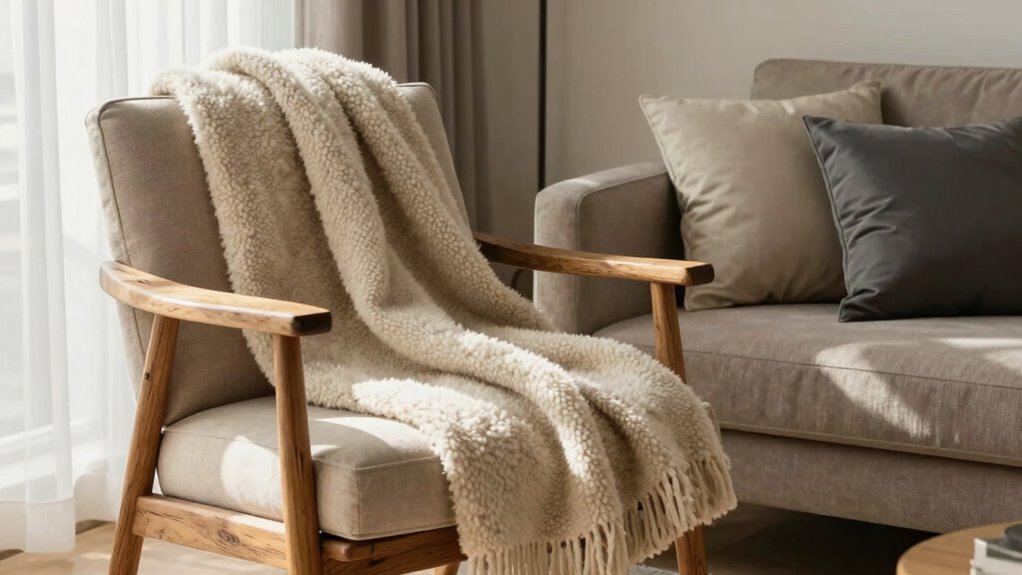
Choosing the right type of wool for your home depends on your priorities and lifestyle. If natural insulation is a priority, both organic and conventional wool excel at keeping your space warm and energy-efficient. However, if allergen concerns are significant, organic wool might be the better choice, as it’s less likely to contain synthetic additives or chemicals that can trigger allergies. Organic wool is processed with minimal chemicals, making it a safer option for sensitive individuals. Consider how much maintenance you’re willing to do; organic wool often requires careful cleaning to preserve its natural qualities. Additionally, understanding the global reliance on cloud services can help you appreciate how natural materials can serve as reliable and sustainable alternatives in your home. Ultimately, your decision should reflect your health needs, eco-values, and how much you prioritize natural materials in your living space.
Frequently Asked Questions
Can Organic Wool Help Reduce Allergies in My Home?
Yes, organic wool can help reduce allergies in your home. Its natural, chemical-free fibers promote allergy relief by minimizing irritants commonly found in conventional wool. Organic wool also improves indoor air quality by trapping dust and allergens more effectively, preventing them from circulating. Using organic wool bedding or insulation creates a healthier environment, especially for allergy sufferers, because you breathe cleaner air and experience fewer allergy triggers daily.
How Long Does Organic Wool Typically Last Compared to Conventional Wool?
Think of organic wool as a loyal guardian, standing strong over time. Its durability comparison with conventional wool shows it often lasts longer, thanks to natural, chemical-free fibers. Longevity factors like proper care and environmental conditions also play a role. While organic wool might require gentle handling, it typically maintains its integrity for many years, offering a sustainable, lasting investment in your home.
Are There Specific Cleaning Methods for Organic Wool Products?
You should use gentle, natural cleaning methods for your organic wool products. Hand wash with cold water and mild, eco-friendly detergents to maintain quality. For stain removal, act quickly with spot cleaning using natural solutions like a mix of water and a small amount of vinegar. Avoid harsh chemicals, bleach, or machine washing, as they can damage the fibers. Proper, gentle care keeps your organic wool looking its best longer.
Does Organic Wool Require Special Storage to Maintain Quality?
Think of organic wool like fine wine—proper storage safeguards its quality. You should follow specific storage guidelines to keep it in top condition. Store organic wool in a cool, dry place, ideally in breathable containers to prevent moisture buildup. Avoid plastic bags, which can trap humidity and cause mold. Using these preservation techniques ensures your wool stays soft, fresh, and ready for cozy use whenever you need it.
What Certifications Ensure Wool Is Truly Organic and Eco-Friendly?
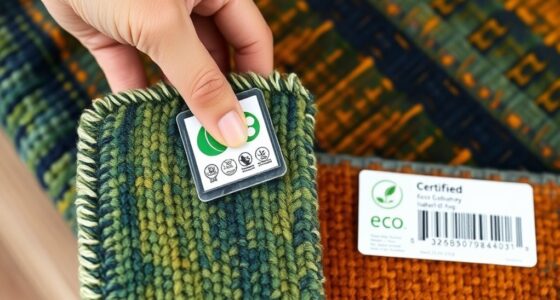
You can verify wool is truly organic and eco-friendly by checking certification standards like GOTS (Global Organic Textile Standard) and Oeko-Tex. These certifications verify that wool meets strict environmental and social criteria. Look for eco label verification on product tags or packaging, which confirms the wool’s organic status. By doing so, you guarantee you’re choosing products that support sustainable practices and reduce chemical use, making your home greener.
Conclusion
Choosing between organic and conventional wool isn’t just about price—it’s about the impact on your health and environment. Many believe organic wool is naturally safer and more sustainable, but some argue conventional wool can be just as eco-friendly with responsible farming. Ultimately, your choice depends on your priorities. By understanding these differences, you can make a decision that aligns with your values and enhances your home’s comfort and safety.