
TL;DR
Open a free Amazon Business account
Business pricing, bulk buying and tax-exempt orders.
Create a free accountAs an affiliate, we earn on qualifying purchases.
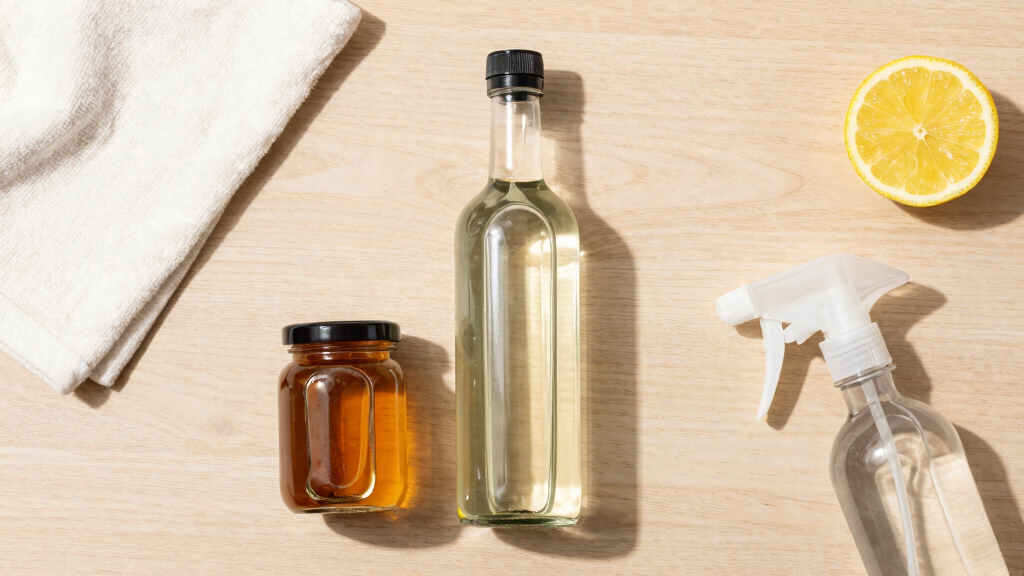
Cleaning vinegar and cooking vinegar differ significantly in acidity and intended use. Cleaning vinegar is more concentrated and not suitable for consumption, while cooking vinegar is food-grade. Understanding these differences helps ensure safe and effective use.
Cleaning vinegar and cooking vinegar are not interchangeable, with notable differences in acidity and safety. Recent analyses clarify that cleaning vinegar is more concentrated and intended solely for household cleaning, while cooking vinegar is food-grade and safe for consumption. This distinction is crucial for consumers to avoid potential health risks and ensure effective use.
Cleaning vinegar typically contains around 6% acidity, compared to 5% for most cooking vinegars, but some cleaning varieties can reach up to 20% acidity, according to industry sources. This higher concentration makes cleaning vinegar more effective at dissolving grime, soap scum, and mineral deposits, but also unsafe for ingestion. Experts warn that using cleaning vinegar in food preparation can cause health issues due to its higher acidity and possible contaminants.
Food-grade vinegar, used in cooking, is produced under strict safety standards, ensuring it is safe for human consumption. It is commonly made from fermented grain or fruit and contains a consistent 5% acidity level, which is safe for culinary uses such as salad dressings, marinades, and pickling.
Misuse of cleaning vinegar in cooking or consumption can lead to digestive discomfort, chemical burns, or other health problems. Consumer advocates emphasize reading labels carefully and using vinegar strictly as intended.
Why Correctly Differentiating Vinegars Matters for Safety
Understanding the difference between cleaning and cooking vinegar is essential for consumer safety. Using cleaning vinegar in food preparation or ingesting it can cause health risks, including chemical burns or poisoning. Proper use ensures household effectiveness without compromising health, especially as some cleaning vinegars are more concentrated and contain contaminants not suitable for ingestion.
This distinction also impacts household cleaning effectiveness, cost, and environmental safety, as misuse can lead to accidental exposure or health hazards. Educating consumers about these differences helps prevent injuries and promotes safe, effective use of household products.

Amazon Saver, Distilled White Vinegar, Great for Cooking and Cleaning, 16 Fl Oz
- Bottle Size: 16 Fl Oz
- Acidity Level: 5%
- Versatile Use: Cooking and Cleaning
As an affiliate, we earn on qualifying purchases.
As an affiliate, we earn on qualifying purchases.
Chemical Composition and Common Uses of Vinegar Types
Vinegar has been used for centuries both as a culinary ingredient and cleaning agent. The primary difference lies in its production process and concentration. Cleaning vinegar is often produced with higher acidity levels and may contain additional chemicals or stabilizers not approved for food use. It is marketed specifically for removing stains, disinfecting surfaces, and deodorizing.
In contrast, cooking vinegar is made to meet food safety standards, with a consistent acidity suitable for ingestion. The most common types include white distilled vinegar, apple cider vinegar, and wine vinegar. These are used in recipes, preservation, and flavoring.
Recent consumer reports and industry guidelines emphasize that mixing or substituting these types can lead to health risks or ineffective cleaning. Regulatory agencies advise consumers to read labels carefully and use each product as directed.
“Cleaning vinegar’s higher acidity and possible contaminants make it unsafe for consumption. Always use food-grade vinegar for cooking.”
— Dr. Jane Smith, Food Safety Expert
Remaining Questions About Vinegar Safety and Labeling
It is not yet clear how many consumers are aware of the differences or if labeling practices are sufficient to prevent misuse. There is ongoing discussion about whether stricter regulations or clearer warnings are needed on vinegar products to prevent accidental ingestion or misuse.
Further research is needed to assess consumer understanding and the effectiveness of current labeling standards across different markets and brands.
Next Steps for Consumer Education and Regulation
Regulatory agencies and consumer safety organizations are expected to review current labeling practices and may introduce clearer warnings or standards for vinegar products. Public awareness campaigns could also be launched to educate consumers about the differences and safe uses of vinegar types.
Manufacturers might update packaging to clearly distinguish food-grade from cleaning varieties, reducing the risk of accidental misuse.
Key Questions
Can I use cleaning vinegar in cooking?
No, cleaning vinegar is not safe for consumption due to its higher acidity and possible contaminants. Always use food-grade vinegar for cooking.
What is the main difference between cleaning and cooking vinegar?
Cleaning vinegar generally has a higher acidity level (up to 20%) and may contain additives not approved for food use, whereas cooking vinegar is food-grade with a standard 5% acidity level.
Are there health risks if I accidentally ingest cleaning vinegar?
Yes, ingesting cleaning vinegar can cause digestive issues, chemical burns, or poisoning, especially if it contains higher concentrations of acid or contaminants.
How can I tell if a vinegar is food-grade?
Check the label for clear indication that it is food-grade, and look for standard acidity levels (around 5%). Avoid products labeled solely for cleaning or industrial use.
Will regulations change to improve labeling?
Regulatory agencies are reviewing current standards and may implement stricter labeling requirements to prevent misuse, but specific changes are still under discussion.
Source: rss
Grilling season Picks
grills
As an affiliate, we earn on qualifying purchases.