To assess your rug’s quality, focus on the back where true craftsmanship shows. Check for consistent knots, tight weaving, and natural materials like wool or cotton. Look for signs of wear, repairs, or reinforcement, such as patches, seams, or glue. Pay attention to dye stability and backing materials, which reveal age and durability. Examining these details closely helps you spot genuine craftsmanship and hidden issues—continue exploring to uncover more tips and secrets.
Listen free for 30 days with Audible
Thousands of audiobooks and originals — cancel anytime.
As an affiliate, we earn on qualifying purchases.
Key Takeaways
- Examine the rug’s back for knot consistency, pattern clarity, and natural materials to assess authenticity and quality.
- Check dye stability and fading patterns to determine the rug’s age and whether dyes are natural or synthetic.
- Look for signs of wear, damage, or repairs like patches, tears, or uneven backing to evaluate condition and longevity.
- Identify reinforcement areas by noticing color inconsistencies, seams, or stiff patches that may conceal repairs.
- Conduct thorough inspections with proper lighting, gentle dye tests, and fiber comparisons for an accurate quality assessment.
As an affiliate, we earn on qualifying purchases.
Why Checking the Back of Your Rug Is Key to Assessing Its Quality
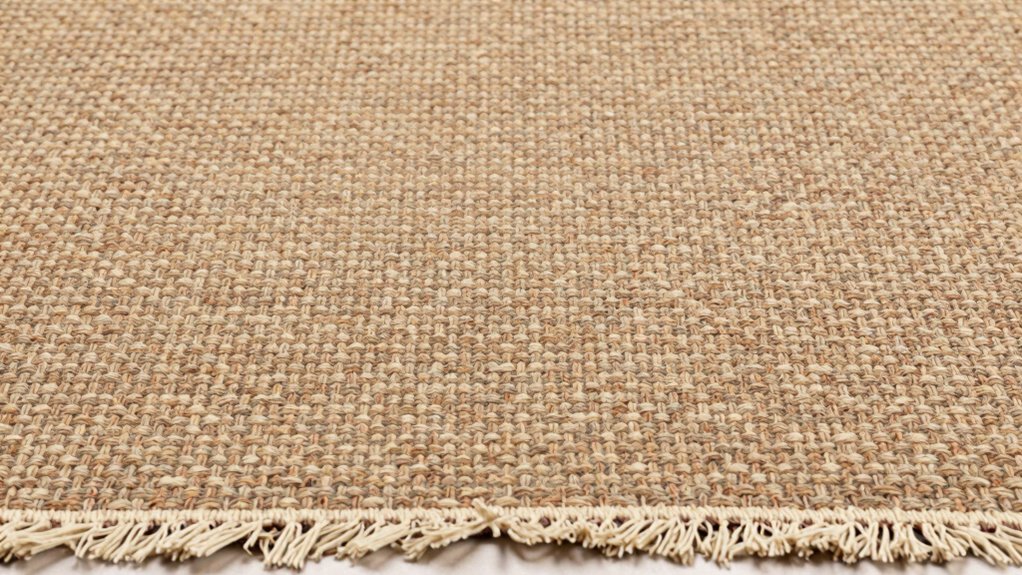
When evaluating a rug’s quality, checking the back is one of the most revealing steps you can take. The rug backing offers valuable insights into its craftsmanship and authenticity assessment. A well-made rug will have a sturdy, even backing that aligns with its front design, showing consistent knotting or weaving. If the backing looks uneven, flimsy, or glued, it could indicate a lower quality or a reproduction. Authentic rugs often have natural materials like wool or cotton on the back, which reflect traditional craftsmanship. Examining the rug backing helps you identify genuine pieces from imitations. Additionally, material authenticity can often be inferred from the backing, providing even more assurance of quality. By paying close attention to this area, you’ll gain a clearer understanding of the rug’s construction and overall quality, ensuring you make an informed purchase.
How to Spot Authenticity and Craftsmanship on Your Rug’s Back
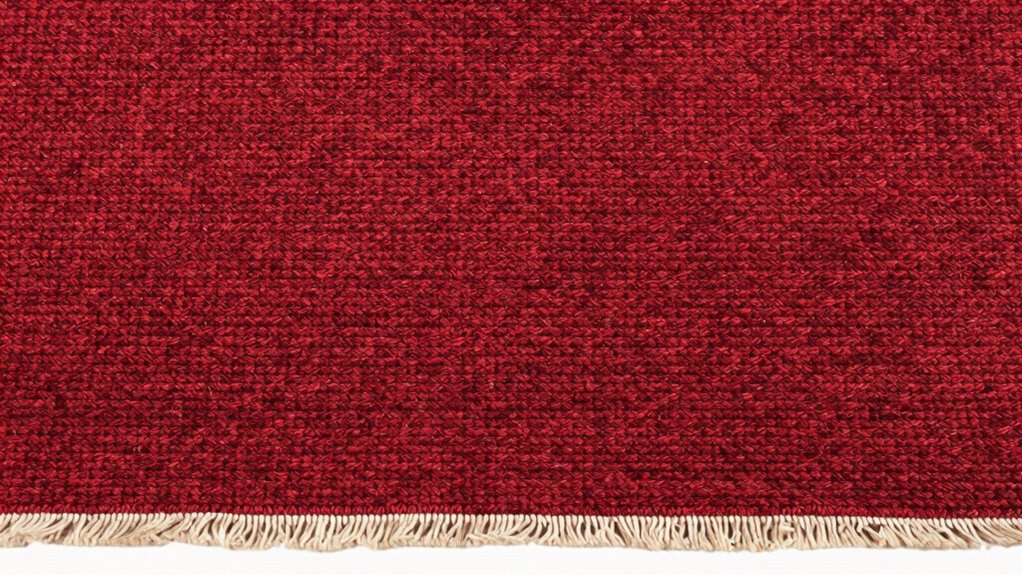
To spot authenticity and craftsmanship on your rug’s back, start by closely inspecting the knotting or weaving pattern. Authentic rugs often have consistent knot density, with tightly packed knots indicating higher quality. Look for evenness in the knotting—irregularities can signal a machine-made or lower-quality rug. Check for dye migration; genuine dyes typically don’t bleed or smudge on the back, whereas artificial dyes may cause discoloration or smudging. A well-crafted rug will have a clear, uniform pattern visible through the back, reflecting skilled craftsmanship. If the back shows loose or uneven knots, or if the dye runs when touched, these are red flags. Authentic craftsmanship is evident in the precision and durability of the weave, not just the appearance of the front. Additionally, examining the finishing techniques used on the back can reveal the level of craftsmanship involved in creating the rug.
What the Rug’s Back Can Tell You About Its Age and Origin
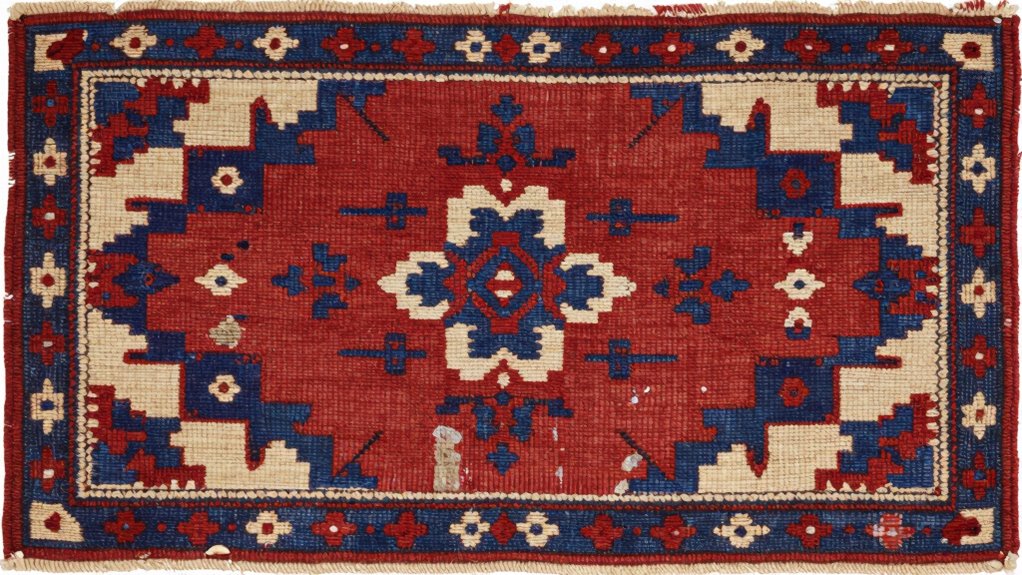
The back of a rug can reveal valuable clues about its age and origin, often more reliably than the front. One key indicator is dye stability; older rugs typically use natural dyes that fade or change over time, giving a softer, more muted look. Modern synthetic dyes tend to stay vibrant and consistent. Knot density also provides important information—higher knot counts often indicate finer craftsmanship and can help date a rug, as older pieces may have lower knot density compared to contemporary ones. Additionally, the knotting style and weaving techniques visible on the back can point to specific regions or periods. By examining these aspects, you can better understand where your rug comes from and how old it might be. dye stability can also be assessed by the way colors respond to light and cleaning, offering further clues about the rug’s age and origin.
How to Examine the Back of a Rug for Wear, Damage, and Repairs
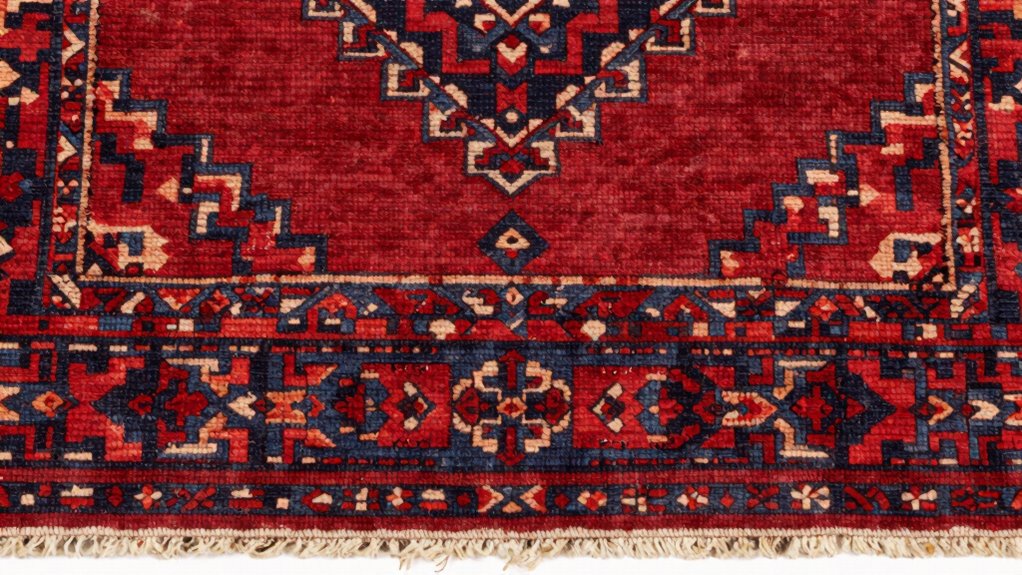
Start by carefully inspecting the rug’s backing for any signs of wear or thinning areas. Look for patches, repairs, or inconsistent stitching that might indicate previous damage. These clues help you assess the rug’s condition and history at a glance. Additionally, examining for recycling options can guide you in eco-friendly disposal or reuse of damaged rugs.
Inspect the Rug’s Backing
Examining the back of a rug is essential for spotting hidden signs of wear, damage, or repairs that may not be immediately visible from the front. Look for areas where the backing shows uneven wear or thinning, which could indicate underlying issues. Check for dye bleeding, which suggests poor colorfastness and potential fading over time. Pay attention to knot density—irregular knots or gaps can weaken the rug’s structure and signal repairs. Also, examine the backing material for tears, fraying, or patches. Loose or uneven edges might point to past repairs or damage. Finally, inspect the rug for signs of uneven backing tension, as this can affect the rug’s stability and longevity. A thorough review helps you gauge the rug’s true condition before purchasing or cleaning. Proper inspection techniques can help identify potential issues early and extend the life of your rug.
Check for Repairs or Patching
Look closely at the rug’s backing for signs of repairs or patching, which can reveal past damage or ongoing issues. Patching techniques vary, but common indicators include uneven areas, mismatched fibers, or visible stitches. Repair signs might also show where the backing has been reinforced or replaced entirely. Check for areas that feel different in thickness or texture, as these often indicate patched sections. Sometimes, patches are sewn in with tight stitches or glued in place, so look for irregularities or rough edges. Patching can be a sign of significant wear or damage beneath the surface. Recognizing these signs helps you gauge the rug’s overall condition and potential longevity, so take your time inspecting the back carefully. Additionally, understanding rug repair signs can help you assess whether the rug has been restored or if it might need future attention.
Understanding Different Rug Backings and Which Are Most Durable
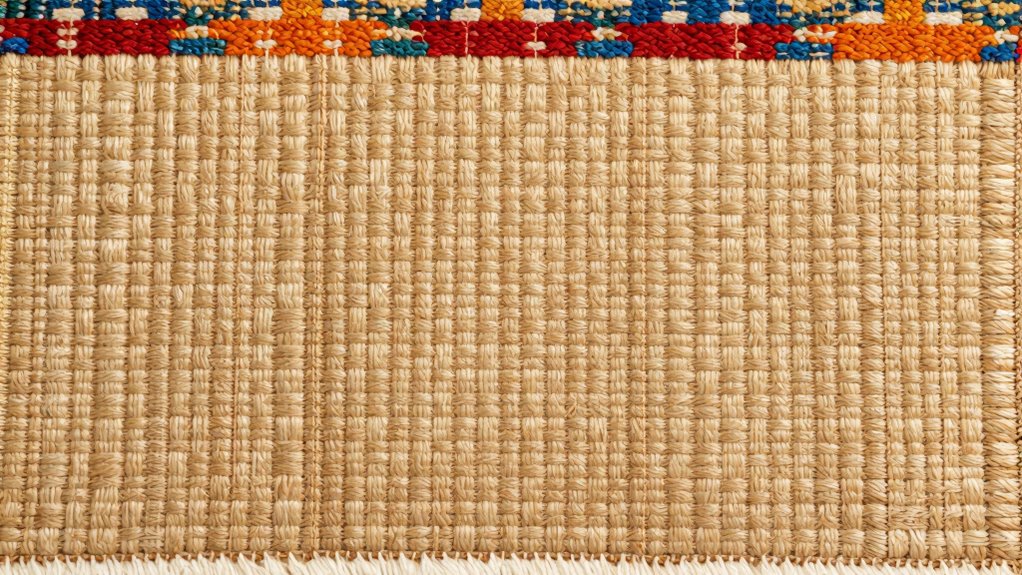
Different rug backings vary in durability, so it’s important to recognize which types maintain best over time. Factors like material quality, construction, and backing design all influence how long a rug will last. Understanding these points helps you choose a backing that matches your lifestyle and ensures your rug stays in great shape. Additionally, being aware of accessibility features can help ensure your space remains user-friendly for everyone.
Common Rug Backings
Understanding the various rug backings is essential when choosing a durable and long-lasting rug. Common rug backings include latex, felt, jute, woven cotton, and synthetic fibers. Latex backing offers excellent durability and slip resistance, making it ideal for high-traffic areas. Felt backing provides cushioning and is often paired with decorative finishes for aesthetic appeal. Jute backing is eco-friendly and adds natural strength but may shed over time. Woven cotton offers breathability but isn’t as durable for heavy use. Synthetic fibers are versatile, affordable, and resistant to moisture, making them a popular choice. Knowing these options helps you select the best backing for your needs, ensuring longevity and maintaining the rug’s appearance over time. Additionally, choosing appropriate backing materials can impact how well your rug withstands wear and environmental factors over the years.
Durability Factors
Choosing a rug with durability in mind means considering how well its backing can withstand everyday wear and tear. A key factor is knots per inch, which impacts the rug’s density and strength—higher knot counts generally mean a sturdier rug. Additionally, dye stability is vital; a rug with dyes that resist fading will look better longer, especially in high-traffic areas. The backing material also plays a role; latex or rubber backings tend to be more durable than fabric or jute. When evaluating durability, look for a backing that firmly secures the knots and resists peeling or shrinking. Incorporating Free Floating techniques can help ensure the rug remains stable and well-supported over time. Combining a high knots per inch with stable dyes and strong backing materials ensures your rug remains resilient and retains its appearance over time.
How to Detect Repaired or Reinforced Areas on the Rug’s Back
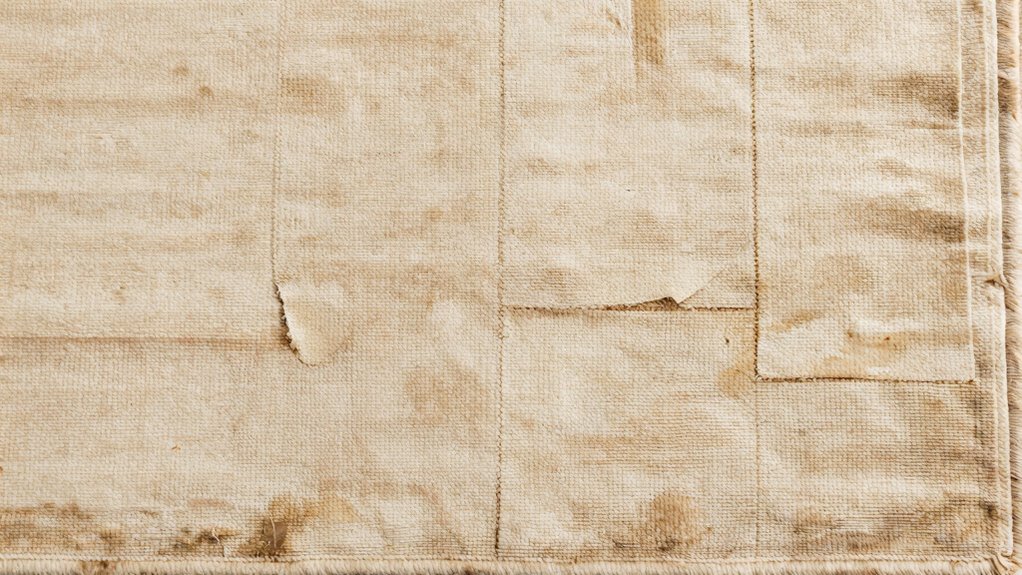
Detecting repaired or reinforced areas on the back of a rug requires careful inspection. Look for inconsistencies in dye bleeding, which can indicate patchwork or touch-ups. Check for sections with a different knot density—repaired areas often have fewer knots, making them feel less dense. Examine the backing for irregular textures or visible seams that don’t match the rest of the rug. Note any color variations or signs of glue that may suggest reinforcement. Additionally, suspiciously new or stiff patches could be signs of reinforcement work. Pay close attention to areas that seem unnaturally smooth or uniform, as these often conceal repairs. Being thorough helps you distinguish genuine wear from concealed repairs, ensuring you understand the rug’s true condition. Electric dirt bikes can sometimes be used to inspect or move around rugs in large spaces, making the process easier.
Tips for Inspecting the Rug Back When Buying or Cleaning
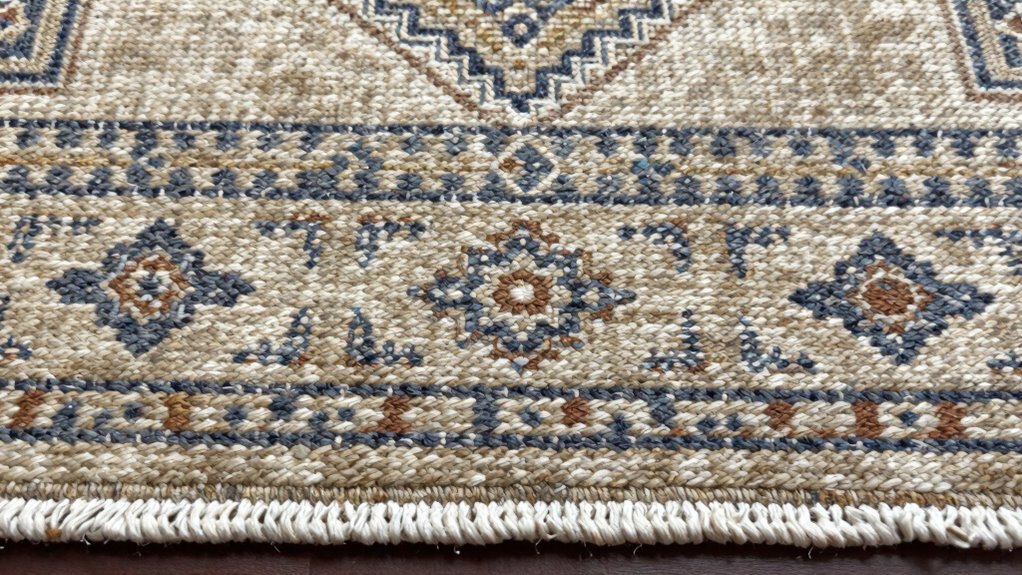
When inspecting the back of a rug during a purchase or cleaning session, it’s important to be methodical to assess its true condition. Start by examining the fiber composition—look for consistency in texture and thickness, which can reveal if the rug is handmade or machine-made. Check for areas where the fibers differ, indicating repairs or reinforcements. Next, verify the dye by gently pressing a damp cloth on different sections; authentic dyes won’t transfer easily, while synthetic dyes often do. Look for uneven color or fading, which can signal age or poor dye quality. Also, note the knot density and pattern clarity, as these details reflect craftsmanship. This thorough inspection helps you understand the rug’s authenticity and current state before buying or cleaning.
Common Mistakes to Avoid When Looking at Your Rug’s Back
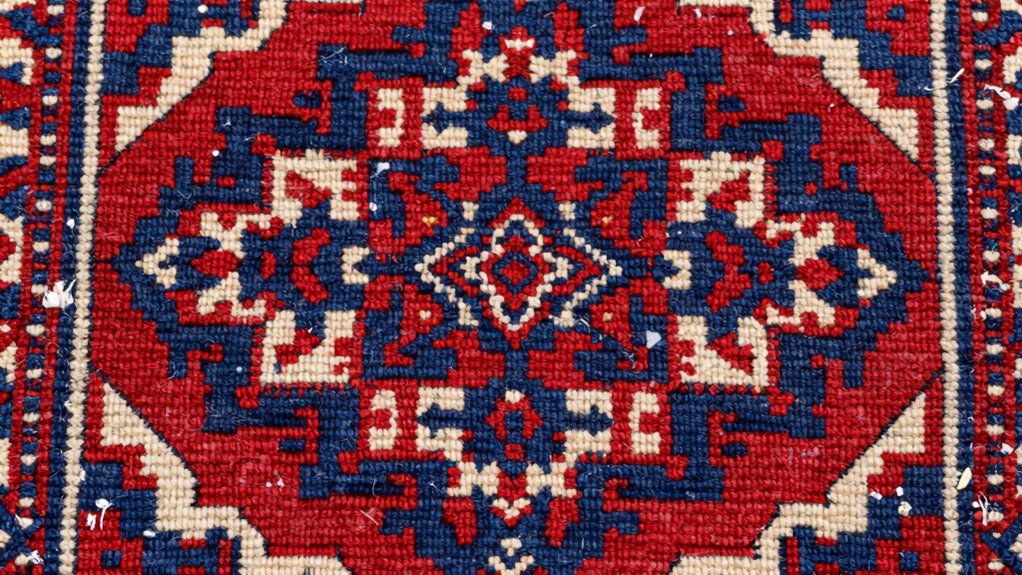
To get an accurate assessment of your rug’s condition, it’s essential to avoid common mistakes that can lead to misjudging its quality or authenticity. One mistake is ignoring the weaving techniques visible on the back, which reveal craftsmanship and origin. Another is overlooking dye stability; inconsistent or smudged colors may indicate poor dye quality or repairs. Be cautious not to confuse worn areas with intentional design. Also, avoid inspecting the rug under improper lighting, which can distort details. Finally, don’t focus solely on surface appearance—checking the back provides insight into construction and materials.
- Rushing the inspection without proper lighting
- Focusing only on the front design
- Ignoring signs of poor weaving techniques
- Overlooking dye stability issues
- Misjudging repairs or alterations
Frequently Asked Questions
Can the Rug’s Back Reveal if It’s a Handmade or Machine-Made Piece?
Yes, you can tell if a rug is handmade or machine-made by examining its backing material and weaving techniques. A handmade rug usually has a sturdy, often wool-backed surface with irregular, tighter weaving patterns. In contrast, machine-made rugs often feature a uniform backing with synthetic materials and consistent, repetitive weaving. Carefully inspecting these details helps you identify the origin and craftsmanship of your rug.
What Signs Indicate if a Rug Has Undergone Recent Repairs?
You can tell if a rug has recent repairs by looking for repair signs like uneven stitching or loose threads. Color inconsistencies are also common, as new patches or patches with different dyes stand out against the original fabric. Additionally, feel for any areas that are stiffer or differ in texture, indicating patchwork. These clues help you identify if the rug has been repaired recently.
How Does Backing Material Affect the Rug’s Overall Durability?
Your rug’s backing material can make or break its durability—think of it as the backbone of the entire piece! High-quality backing materials like latex or jute considerably boost durability factors, ensuring your rug withstands heavy foot traffic and spills. Cheaper backings crumble faster, risking unraveling and damage. So, if you want your rug to last a lifetime, choose backing materials that are sturdy, resilient, and built for longevity!
Is a Thicker Backing Always Better for Rug Longevity?
Thicker backing isn’t always better for rug longevity. The backing material’s quality and type matter more than thickness alone. A thicker backing might add durability, but it can also make the rug less flexible and harder to clean. When comparing backing options, consider the thickness comparison along with material strength. Choose a backing that provides adequate support without compromising flexibility or ease of maintenance for your specific rug needs.
Can the Rug’s Back Help Identify Counterfeit or Low-Quality Rugs?
Yes, examining your rug’s back can reveal authenticity clues and help identify counterfeit or low-quality rugs. Look for clear manufacturing marks, consistent weaving patterns, and the absence of suspicious labels or glue. Genuine rugs often have a tightly woven, well-finished backing, while fake ones may show uneven stitching or cheap materials. By inspecting these details, you can better determine if your rug is authentic or a replica.
Conclusion
Remember, inspecting the back of your rug reveals its true story—authenticity, age, and condition. Did you know that over 60% of rugs with hidden repairs are overlooked by buyers? By taking a close look, you can avoid costly mistakes and guarantee your rug’s quality. Keep these tips in mind next time you’re shopping or cleaning, and you’ll always know what your rug’s back is really telling you.
NFL season / tailgating Picks
team gear
As an affiliate, we earn on qualifying purchases.