Higher knot density can make a rug look more detailed and feel plush, but it doesn’t always mean a better or more expensive piece. Quality depends on materials, craftsmanship, and regional style too. Dense knots won’t make a rug last longer if the materials are poor. If you want to understand what truly influences value, keep exploring how knot count pairs with other factors for a lasting, beautiful rug.
Key Takeaways
- Higher knot density often indicates finer craftsmanship but doesn’t guarantee higher durability or value without quality materials.
- Material quality and weaving techniques are equally, if not more, important than knot count in determining rug longevity.
- Dense knots can increase production costs, but mass-produced high-density rugs may still be less valuable than handcrafted ones with lower density.
- Overemphasizing knot density overlooks other factors like finish, design complexity, and regional craftsmanship that impact price.
- The optimal knot density depends on the intended use, material, and craftsmanship, not simply on having the highest possible knot count.
Understanding Knot Density: What Does It Really Mean?
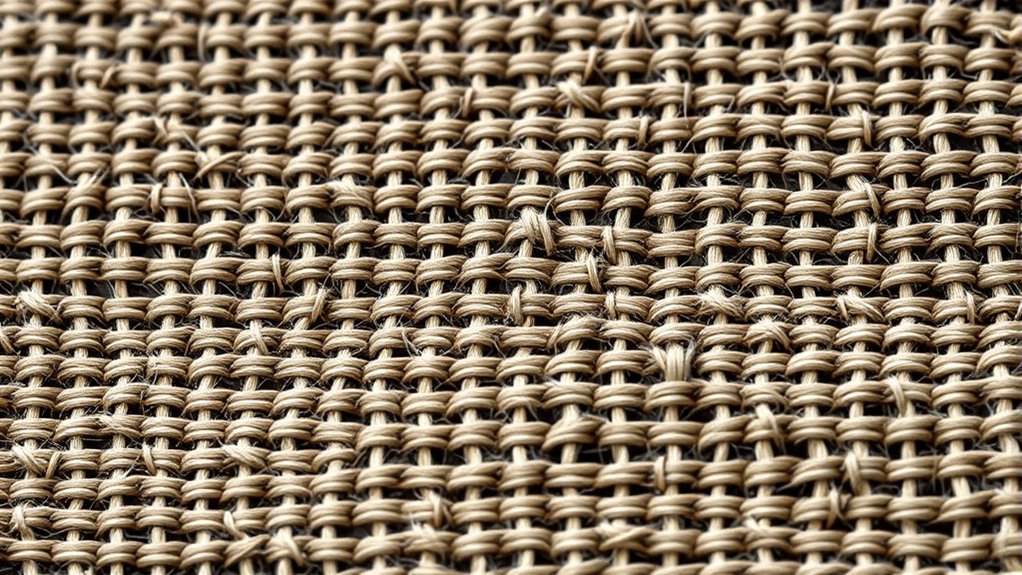
Understanding knot density is essential if you want to gauge the quality and durability of a rug or fabric. It refers to how tightly the individual knots are packed together on the surface. The higher the knot density, the more knots per square inch, which generally indicates a finer, more detailed, and longer-lasting rug. When you examine a rug, look closely at how closely the knots are woven; tightly packed knots mean more craftsmanship and durability. This density affects not only the rug’s longevity but also its ability to hold intricate patterns and rich colors. Keep in mind, higher knot density often correlates with higher craftsmanship, but it’s not the only factor determining quality. Additionally, understanding knots per square inch can help you compare different rugs more accurately, ensuring you choose the best value for your investment. Understanding this concept helps you make smarter choices when selecting a rug.
How Knot Density Affects Rug Appearance and Feel
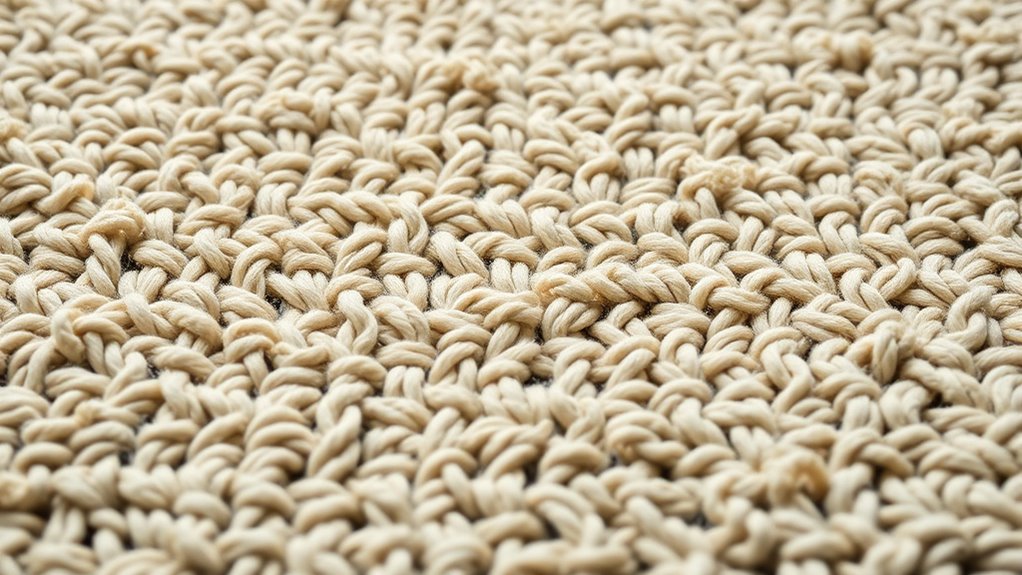
Knot density directly influences how a rug looks and feels under your feet. A higher knot density creates a more detailed, intricate appearance, making patterns clearer and more vibrant. When you walk on a densely knotted rug, it feels plush and firm, offering a luxurious sensation. Conversely, a lower knot density results in a more open, airy texture that may seem coarser or less refined. The tighter the knots, the smoother and more uniform the surface, giving your space a polished look. You’ll notice that with increased knot density, the rug tends to be more substantial and comfortable, adding a sense of quality. Additionally, knot density impacts the durability of the rug, ensuring it withstands wear over time. Overall, knot density shapes both the visual complexity and tactile experience of your rug, directly affecting how it complements your decor and feels underfoot.
The Relationship Between Knot Count and Durability

A higher knot count often enhances a rug’s durability because it means each knot is more securely tied, creating a tighter, more resilient surface. When knots are densely packed, the rug can better withstand foot traffic and daily wear without unraveling or thinning. This density distributes stress more evenly across the rug, reducing the chance of weak spots developing over time. Additionally, tightly knotted rugs tend to resist shedding and fraying, helping them maintain their integrity longer. Proper weaving techniques are essential for ensuring that a high knot count translates into actual durability. However, it’s important to remember that knot count alone doesn’t guarantee durability—quality of materials and craftsmanship also play vital roles. While a higher knot count generally indicates a more durable rug, you should also consider how well the rug is made and the type of fibers used to ensure longevity.
Comparing Knot Density in Different Rug Styles and Regions
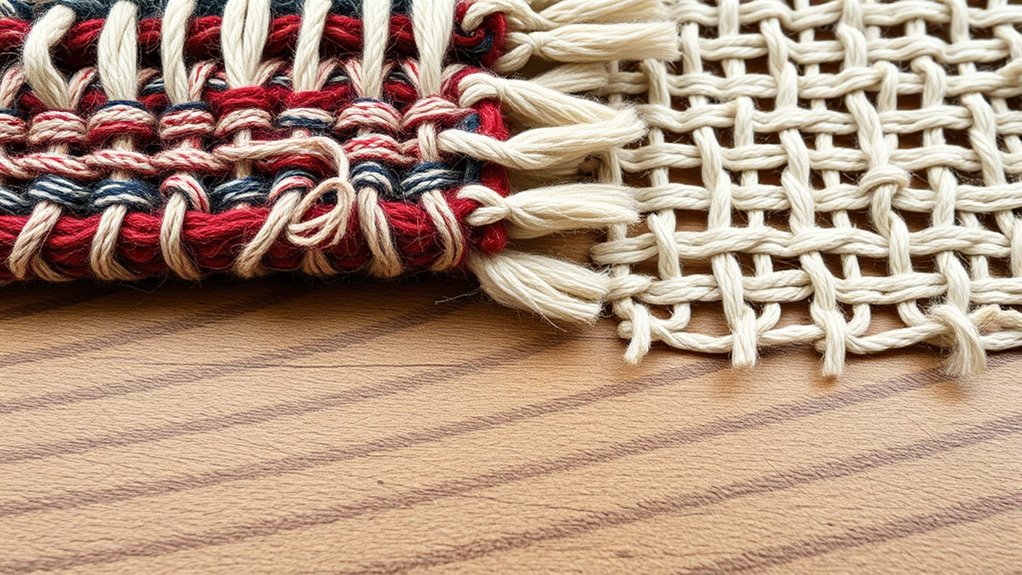
Different rug styles and regions exhibit notable variations in knot density, reflecting both cultural traditions and functional priorities. For instance, Persian and Oriental rugs often feature higher knot densities, sometimes exceeding 100 knots per square inch, resulting in fine detail and intricate designs. In contrast, Turkish and Moroccan rugs tend to have lower knot counts, emphasizing bold patterns and durability over fine detail. You’ll notice that regions with cold climates or nomadic lifestyles prioritize sturdiness, leading to looser knots and lower densities. Conversely, areas with a long-standing tradition of craftsmanship focus on high knot counts to achieve detailed motifs. The knot density directly influences the rug’s durability and the complexity of its design, showcasing the skill and purpose behind each piece. Understanding these regional differences helps you appreciate the craftsmanship and purpose behind each rug style, giving you insight into their cultural significance and the techniques used.
Is Higher Knot Density Always More Expensive?
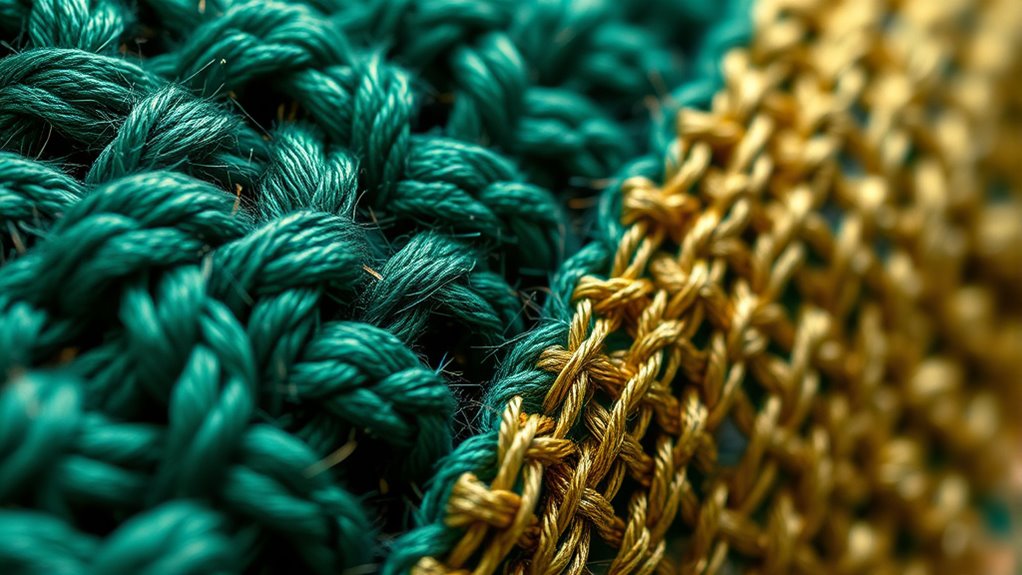
While higher knot density often correlates with intricate designs and fine craftsmanship, it doesn’t always mean a rug will be more expensive. Several factors influence price beyond knot count. For example, the quality of materials, the region where it’s made, and the reputation of the maker can all impact cost. Additionally, a very high knot density might be found in mass-produced rugs that are less costly, rather than high-end handcrafted pieces. Conversely, a rug with a lower knot density but made with premium wool or silk can cost more than a densely knotted but simpler rug. Keep in mind that:
- Material quality considerably affects price
- Craftsmanship and origin matter
- Mass-produced rugs might have high knot density but lower prices
- Handcrafted, luxurious rugs often command higher prices regardless of knot count
- Material quality plays a significant role in determining the overall value of a rug.
When to Prioritize Knot Density Over Price
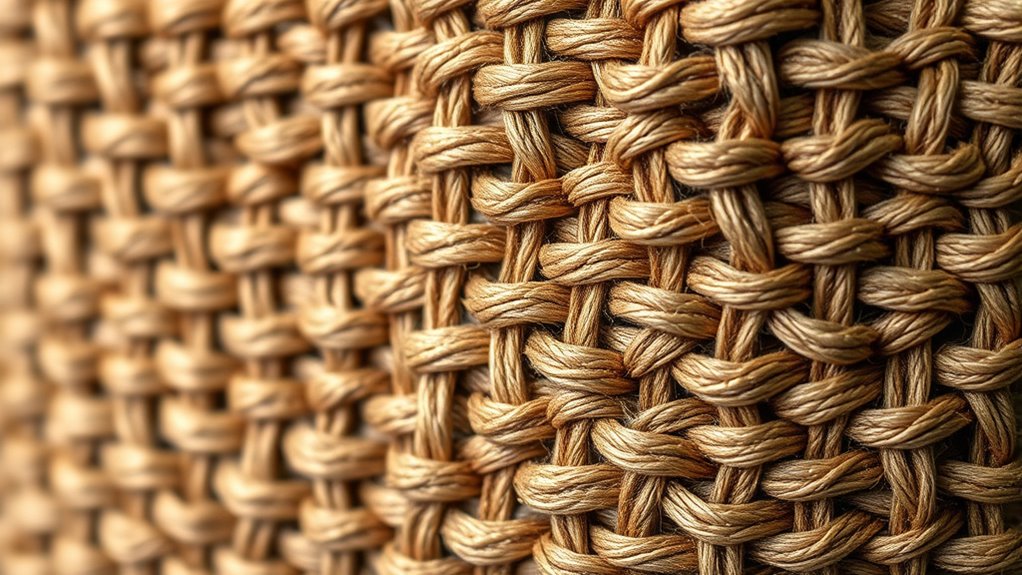
When durability is your top priority, opting for higher knot density makes sense, even if it costs more. If you’re working on specific craft projects that demand extra strength or precision, knot density should guarantee the best results. Additionally, handling unique material types often requires tighter knots to ensure the best results. Keep in mind that overly dense knots can sometimes lead to issues like material stress, so understanding the balance for your specific project is essential.
When Durability Matters Most
Durability becomes a top priority when you need a rope that can withstand heavy use or harsh conditions. If you’re working outdoors, hauling loads, or using the rope frequently, investing in higher knot density is essential. A denser rope resists fraying, maintains strength longer, and handles wear better over time. Consider these situations where durability outweighs cost:
- Heavy hauling or lifting tasks
- Marine environments exposed to saltwater
- Climbing, where safety depends on rope strength
- Industrial applications with constant stress
In these cases, prioritizing knot density ensures your rope endures the demands placed on it, offering reliability and safety. While cost is a factor, sacrificing durability could lead to failure, accidents, or premature replacement. Additionally, material quality plays a crucial role in overall rope performance and longevity.
For Specific Craft Needs
Certain craft projects demand specific qualities in rope, making knot density a key consideration. If your project requires secure, tight knots—like in climbing, sailing, or rigging—you should prioritize higher knot density. Denser ropes hold knots better, reducing slippage and increasing safety. For intricate knot work or decorative purposes, a tighter weave ensures a cleaner, more professional appearance. Conversely, if flexibility or ease of handling is more important, a looser rope might be preferable, especially for decorative or jewelry-making projects. Always evaluate your craft’s specific needs: if strength, security, and durability are critical, investing in denser rope is worth the extra cost. Additionally, safety considerations should guide your choice, as the right knot density can enhance overall project security. Remember, choosing the right knot density can make or break your project’s success, making it a crucial factor to weigh over price when necessary.
Handling Unique Material Types
Handling unique material types often requires prioritizing knot density over price because some materials demand a tighter weave to perform effectively. For example, delicate or slippery fibers like silk or certain synthetics need a higher knot density to prevent slippage and ensure durability. When working with tough or abrasive materials, a denser knot can provide added strength and longevity. If you’re unsure, consider these factors:
- Material’s flexibility and slipperiness
- Required durability for the project
- Risk of fraying or slipping
- Manufacturer recommendations
- Knot density plays a crucial role in ensuring the material’s performance and longevity.
Choosing a higher knot density for these materials helps maintain integrity and performance. While it may cost more upfront, it ensures your work holds up over time, saving you from repairs or replacements later. Prioritize knot density when material-specific performance is critical.
Common Misconceptions About Knot Density and Quality
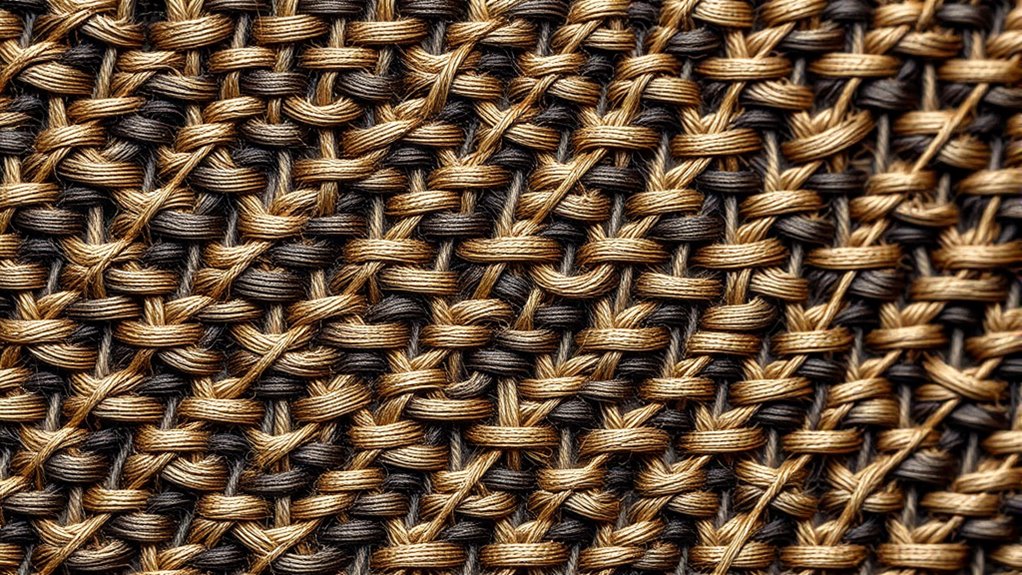
Many people believe that higher knot density automatically means better quality, but this isn’t always true. While a dense knot pattern can suggest craftsmanship, it doesn’t guarantee durability or comfort. Sometimes, a rug with very high knot density may use inferior materials or lack proper finishing, reducing its overall lifespan. Conversely, a rug with moderate knot density might be crafted with superior materials and better techniques, making it more durable and beautiful over time. Focusing solely on knot density can lead you to overlook other critical factors like material quality, craftsmanship, and finish. Additionally, material quality plays a crucial role in the rug’s longevity and appearance. Remember, a high knot count doesn’t necessarily mean a better rug; it’s just one piece of the puzzle. Always consider the full picture before making a purchase.
Balancing Knot Density With Material Quality and Craftsmanship
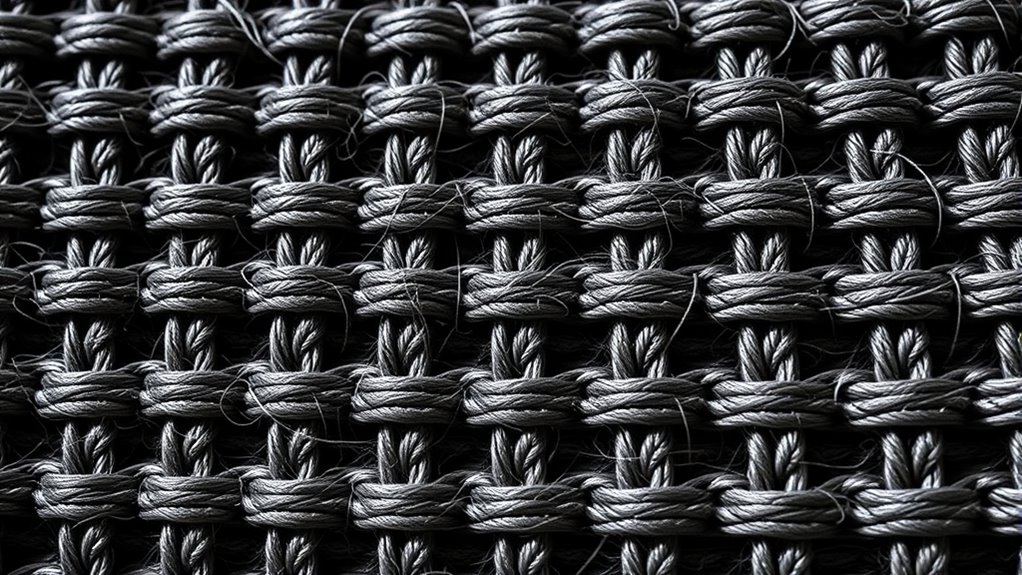
While knot density offers some insight into a rug’s craftsmanship, it shouldn’t be the only factor you consider. High knot counts are impressive, but material quality and craftsmanship are equally essential for durability and beauty. A rug with dense knots made from poor-quality wool or synthetic fibers may not last as long as a slightly less dense rug crafted from premium natural fibers. To find the right balance, look for:
- Soft, high-quality materials that feel good underfoot
- Skilled artisans with attention to detail
- Proper finishing techniques that enhance durability
- Consistent knotting that reflects craftsmanship, not just quantity
Tips for Evaluating Rug Quality Beyond Knot Count
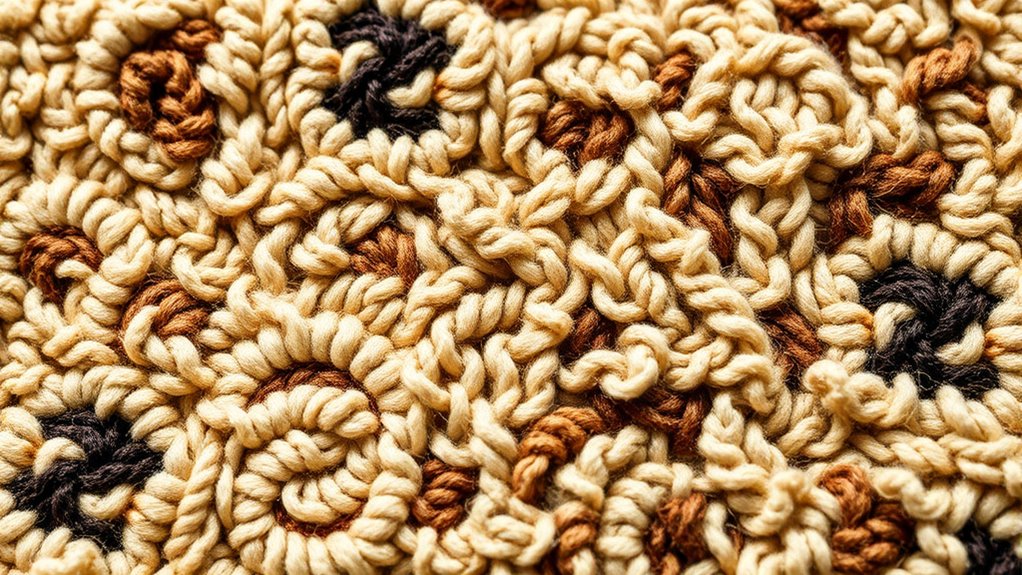
When evaluating rug quality, material choice is vital—look for natural fibers like wool or silk for durability and softness. Pay attention to the weaving technique, as tighter weaves often indicate better craftsmanship. Also, consider the rug’s size and intended use to make certain it meets your practical needs and complements your space.
Material Quality Matters
Evaluating rug quality requires looking beyond knot count, as the material plays a crucial role in durability and appearance. The type of fiber impacts how well the rug withstands wear, stains, and fading. Natural fibers like wool, silk, and cotton often offer better longevity and softness compared to synthetic options. When assessing material quality, consider these factors:
- Fiber origin: High-quality, well-sourced fibers resist pilling and fading.
- Weave finish: A tight, even finish indicates careful craftsmanship.
- Colorfastness: Colors should resist bleeding and fading over time.
- Maintenance needs: Some materials require more delicate cleaning, affecting long-term value.
Focusing on these aspects ensures you choose a rug that not only looks good but also lasts longer. Material quality truly makes a difference in the overall value.
Weaving Technique Impact
The weaving technique markedly influences a rug’s durability and overall quality, often more so than knot count alone. Handwoven rugs typically showcase tighter, more consistent weaves, which enhance longevity. Look for signs of uneven tension or loose areas, indicating lower craftsmanship. Different techniques, like flatweaves versus pile rugs, also affect feel and resilience. Consider this comparison:
| Technique | Characteristics |
|---|---|
| Hand-Knotting | Dense, durable, intricate patterns |
| Flatweave | Thin, lightweight, less prone to unraveling |
| Rug Tufting | Faster, less detailed, may be less durable |
| Wilton Weaving | Smooth surface, even tension, consistent quality |
| Axminster | Dense pile, high detail, long-lasting |
Rug Size and Use
While weaving technique influences a rug’s durability, considering its size and intended use offers further insight into quality. Larger rugs suit spacious areas like living rooms, while smaller ones work well in entryways or bedrooms. Think about how you’ll use the rug—will it see heavy foot traffic or serve as a decorative piece? This helps you determine if the rug’s construction matches its purpose.
- For high-traffic areas, look for sturdier materials and reinforced edges.
- In bedrooms, softness and comfort matter more than dense knotting.
- Dining rooms benefit from larger, durable rugs that can handle spills.
- For accents, smaller rugs with intricate designs can add visual interest without overwhelming the space.
Matching size and use guarantees you get a functional, long-lasting rug that fits your needs perfectly.
Making an Informed Purchase: Factors to Consider Beyond Price
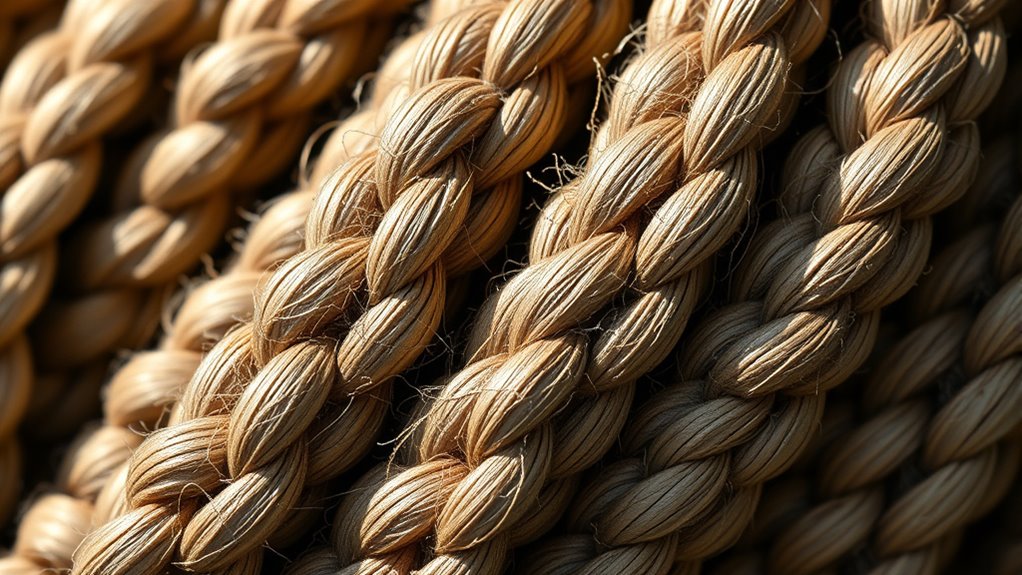
Although price is an important factor when choosing rope, it shouldn’t be your only consideration. You need to evaluate the material, knot density, and durability to guarantee it meets your needs. For example, natural fibers like manila or hemp offer strength and flexibility but may wear faster. Synthetic options like nylon or polyester are more resistant to weather and abrasion. Consider how you’ll use the rope—heavy lifting, climbing, or decorative purposes—as different tasks demand different qualities. Check the rope’s thickness and construction to match your safety and performance requirements. Don’t forget to assess reviews and brand reputation. Making an informed decision means balancing cost with quality and suitability, ensuring you get the best value for your specific use.
Frequently Asked Questions
How Does Knot Density Influence the Rug’S Overall Lifespan?
You might wonder how knot density impacts a rug’s lifespan. Higher knot density often means more knots per square inch, making the rug more durable and resistant to wear. This increased durability helps the rug withstand foot traffic and aging, extending its life. So, while knot density isn’t the only factor, a denser rug generally lasts longer, maintaining its appearance over time and providing better value for your investment.
Can Lower Knot Density Rugs Be More Durable Than Higher Density Ones?
Did you know that some lower knot density rugs last just as long, if not longer, than higher density ones? You might assume that more knots means more durability, but it’s not always true. In fact, a well-made rug with fewer knots can be more resilient because it uses stronger materials or better craftsmanship. So, don’t dismiss lower knot density rugs—they can be just as durable and often more affordable.
What Impact Does Knot Density Have on Rug Maintenance and Cleaning?
When it comes to rug maintenance and cleaning, knot density plays a significant role. Higher knot density rugs often have tighter weaves, making them more resistant to dirt penetration and easier to vacuum thoroughly. However, they may require more delicate handling during cleaning to avoid damaging the fibers. Lower knot density rugs might be easier to clean but can trap dirt more easily, so regular maintenance is essential to keep them looking their best.
Are Certain Rug Styles or Regions More Prone to Higher Knot Densities?
You’ll find that certain rug styles or regions tend to have higher knot densities. For example, Persian and Oriental rugs often feature intricate designs with dense knots, reflecting their regional craftsmanship. These rugs usually come from areas with a long history of fine weaving, which emphasizes detailed work. While higher knot density can mean more durability and detail, it doesn’t automatically make the rug better—it depends on your needs and preferences.
How Does Knot Density Correlate With the Rug’s Artistic Detail and Design Complexity?
You’ll notice that higher knot density generally allows for finer, more detailed designs, giving the rug a richer appearance. When you choose a rug with a greater knot count, you’re enabling artisans to craft intricate patterns and subtle shading that enhance its beauty. However, more knots don’t always mean better quality; it’s important to balance knot density with craftsmanship and material quality to get a truly stunning, durable piece.
Conclusion
Remember, knot density is just one piece of the puzzle, like a single brushstroke in a masterpiece. To truly find a rug that fits your style and budget, consider material quality, craftsmanship, and your personal preferences. Don’t assume that more knots automatically mean better. Instead, look for a balance that reflects the rug’s overall artistry, so you can enjoy a piece that’s both beautiful and durable for years to come.