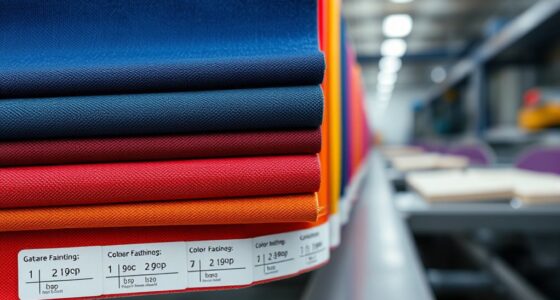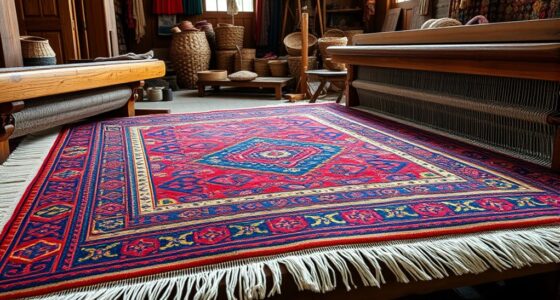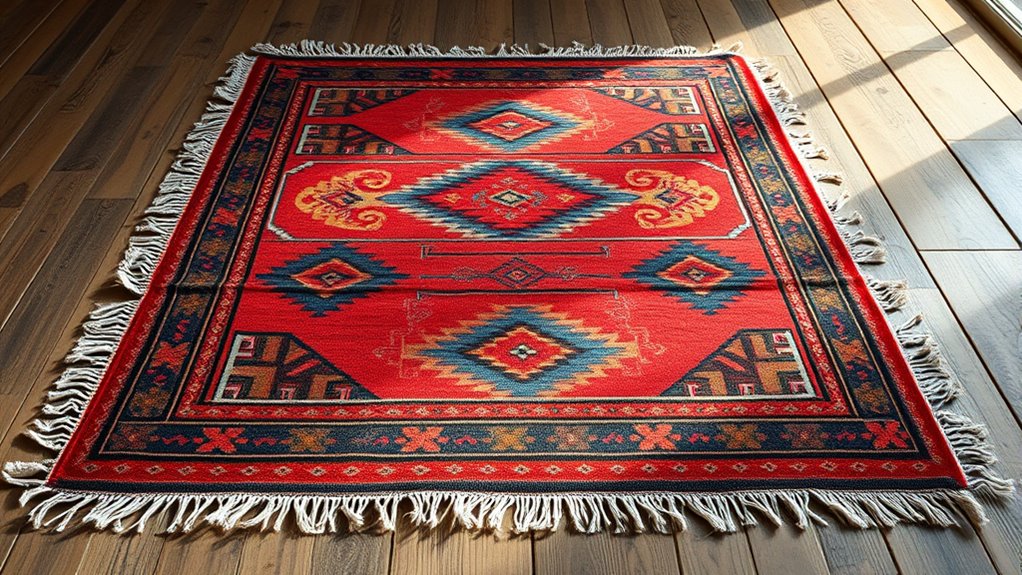
Tribal rugs of the Caucasus showcase vibrant designs that reflect local history, environment, and culture through intricate patterns and bold colors. You’ll notice motifs like animals, stars, and tribal symbols, each telling a story or representing community values. Their craftsmanship involves meticulous hand-knotting and natural dyeing methods, creating durable, beautiful textiles. Regional variations in technique and design make each rug unique. Exploring their history reveals a rich cultural legacy—if you keep going, you’ll discover even more fascinating details.
Key Takeaways
- Caucasus tribal rugs feature intricate geometric patterns, stylized animals, stars, and tribal symbols reflecting local stories and cultural identity.
- Regional variations in weaving techniques, motifs, and knot density showcase diverse craftsmanship and environmental influences.
- Natural dyes derived from regional resources like madder root, iron oxide, and saffron impart vibrant, aging hues unique to each area.
- Hand-knotting methods produce dense, durable textiles that serve as cultural artifacts embodying community history.
- Designs and craftsmanship of Caucasus tribal rugs express cultural narratives, environmental adaptation, and artistic traditions across different regions.
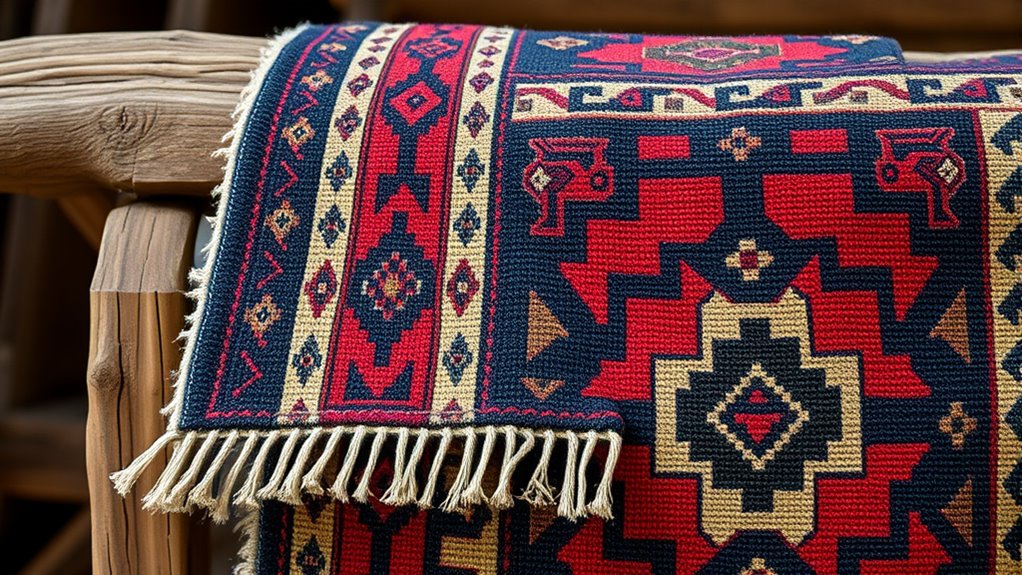
The tribal rugs of the Caucasus are vibrant expressions of the region’s rich cultural heritage. As you explore these textiles, you’ll notice that their intricate patterns and bold colors are not just decorative but tell stories about the communities that created them. The craftsmanship behind these rugs is rooted in centuries of tradition, with weaving techniques and dyeing methods passed down through generations. You’ll find that each rug is a unique reflection of local history, environment, and symbolism.
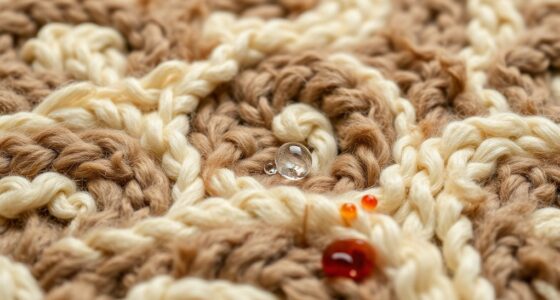
When examining how these rugs are made, you’ll appreciate the skill involved in their weaving techniques. Caucasian weavers typically use hand-knotting methods, creating dense, durable pile that withstands time and use. The knots are tied meticulously around the warp threads, often resulting in complex geometric patterns. The weaving process can be quite labor-intensive, requiring patience and precision. You might notice variations in knot density across different regions, which influence the rug’s texture and overall quality. These techniques also allow for detailed motifs, including stylized animals, stars, and tribal symbols, each carrying its own meaning.
Dyeing methods play an essential role in achieving the vivid colors characteristic of Caucasian tribal rugs. Traditionally, natural dyes derived from plants, minerals, and insects were used. For example, you might see rich reds from madder root, deep blacks from iron oxide, and vibrant yellows from saffron or onion skins. These natural dyes not only provide striking hues but also age beautifully over time, adding depth and character to the rugs. The process of dyeing involved careful preparation and multiple dye baths, with artisans controlling temperature and dye concentration to produce consistent, long-lasting colors. In some regions, more modern synthetic dyes have been adopted, but many weavers still prefer natural dyes for their authenticity and subtle variations.
Additionally, the selection of dye sources often reflects regional environmental resources, making each rug a regional characteristic as well as a work of art. As you observe a Caucasian tribal rug, consider the craftsmanship behind it—the weaving techniques that create its structure and the dyeing methods that give it its color. These elements are more than just artistic choices; they are a reflection of a community’s history, environment, and cultural identity. The skillful combination of these techniques results in textiles that are not only beautiful but also meaningful, embodying the spirit and tradition of the Caucasus. By understanding these methods, you gain a deeper appreciation for the artistry and cultural significance woven into every thread of these remarkable rugs.

1.8×3.5 Ft Vintage Oushak Accent Rug, Hand-Knotted in Central Anatolia/Turkey. C1496
Age: Vintage
As an affiliate, we earn on qualifying purchases.
As an affiliate, we earn on qualifying purchases.
Frequently Asked Questions
How Are Caucasus Tribal Rugs Preserved Over Generations?
You preserve Caucasus tribal rugs over generations through careful preservation techniques like proper cleaning, avoiding direct sunlight, and gentle handling. Family traditions play a key role, as skilled artisans pass down weaving methods and cultural stories. By maintaining these techniques and traditions, you guarantee the rugs stay vibrant and intact, keeping their historical and artistic significance alive for future generations.
What Symbolic Meanings Are Embedded in Specific Caucasus Rug Patterns?
Imagine uncovering a secret message woven into each rug—these designs hold deep symbolic motifs and spiritual significance. You’ll find motifs like stars representing guidance, or geometric patterns symbolizing protection. These patterns serve as more than decoration; they’re a visual language passed down through generations, carrying stories, beliefs, and hopes. When you admire a Caucasus rug, you’re connecting with centuries of tradition and the profound meanings embedded in every thread.
Which Regions Produce the Most Sought-After Caucasus Tribal Rugs?
You’ll find the most sought-after Caucasus tribal rugs coming from regions like the Kazbek area and the Avar settlements, renowned for their intricate Kurdish weavings and distinctive Avar motifs. These areas produce rugs prized for their craftsmanship, vibrant patterns, and cultural significance. Collectors highly value these pieces, appreciating how the regional influences blend traditional symbols with unique weaving techniques, making them highly desirable in the global art and antique markets.
How Do Tribal Rug Designs Reflect Cultural Exchanges With Neighboring Areas?
Your tribal rug designs burst with intercultural influences, showcasing a vivid tapestry of neighboring areas’ styles. These patterns reflect a dynamic design evolution, blending motifs from Persia, Anatolia, and beyond. You’ll see how traders and nomads exchanged ideas, creating intricate symbols that tell stories of cultural exchange. Each rug becomes a visual history, illustrating how neighboring cultures intertwine and influence the rich, ever-changing landscape of Caucasus tribal artistry.
What Are the Traditional Methods of Dyeing Caucasus Rug Wool?
You typically use natural dyes like madder, walnut husks, and indigo for Caucasus rug wool. First, you prepare the wool by cleaning and soaking it to make certain the fibers absorb the dyes evenly. Then, you immerse the wool in boiling natural dye baths for hours, often repeating the process to achieve vibrant, lasting colors. This traditional method highlights the region’s rich craftsmanship and connection to natural resources.

Shahbanu Rugs Ivory Densely Woven Pure Wool Hand Knotted Caucasian Super Kazak Natural Dyes Oriental Rug (4'1"x5'8")
Exact Rug Size in Feet and Inches: 4'1" x 5'8"
As an affiliate, we earn on qualifying purchases.
As an affiliate, we earn on qualifying purchases.
Conclusion
You now hold the key to revealing the soul of the Caucasus through its stunning tribal rugs. These designs are more than just textiles—they’re timeless stories woven with passion, history, and identity. As you admire their intricate patterns, realize you’re witnessing a heritage so rich, it could outlast civilizations themselves. Let these rugs inspire you to cherish artistry that’s as enduring and powerful as the mountains themselves. Truly, they’re treasures that will leave you breathless.

Rugshop Geometric Boho Area Rug – Gray Tribal Pattern, Perfect for Living Room, Bedroom, Office, 3'3" x 5'
Durable polypropylene pile with sturdy jute backing delivers lasting shape retention and everyday resilience; soft, comfortable underfoot yet…
As an affiliate, we earn on qualifying purchases.
As an affiliate, we earn on qualifying purchases.
regional Caucasus rug design
As an affiliate, we earn on qualifying purchases.
As an affiliate, we earn on qualifying purchases.