TL;DR

Get cleaning gear delivered free with Prime
- Fast, free delivery on millions of items
- Prime Video, Amazon Music and more included
- Member-only deals all year
A House Beautiful report compares wool, polyester and polypropylene rugs and finds that the best choice depends on a household’s needs, not fiber category alone. Experts cited in the report recommend weighing traffic, maintenance, construction and durability; polypropylene is presented as a practical option for heavy use, while polyester favors softness and wool offers a natural-fiber alternative.
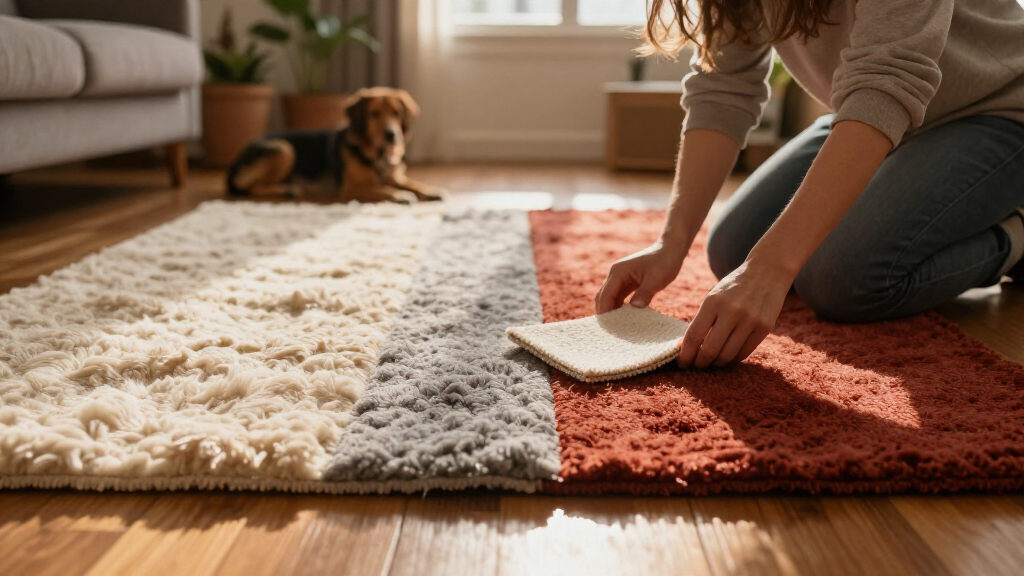
House Beautiful has published a comparison of wool, polyester and polypropylene rugs, drawing on comments from flooring-industry executives to explain how the materials differ for homes with children, pets or heavy foot traffic. The report does not name one universally best fiber: it says the choice depends on a household’s use, tolerance for upkeep and the construction of the individual rug.
The report characterizes wool as a natural fiber valued for its plush feel and durability. It says wool resists water, dirt and stains and can absorb moisture and dry without developing mold or mildew. The writer also describes personal experience with wool rugs that shed, underscoring that natural materials can involve maintenance some owners may find inconvenient.
Polyester and polypropylene are synthetic fibers, but the report distinguishes their common uses. Polyester, often made from PET, is associated with softness, color and decorative styles. Polypropylene, also called olefin, is commonly selected for moisture and stain resistance and for indoor-outdoor use. Those are broad descriptions; performance can vary with a rug’s pile, construction and quality.
Munan Xue, CMO of Rugs USA, says polypropylene suits heavy traffic and spills, while polyester’s soft feel makes it a better fit for lighter-use rooms such as bedrooms. The report also includes guidance from Asha Chaudhary, CEO and president of Jaipur Living, who advises shoppers to consider the room, expected traffic, children or pets, and willingness to maintain the rug before choosing a material.
Choosing for Traffic and Upkeep
The comparison addresses a practical buying decision for households where rugs may face spills, tracked-in dirt and frequent use. A material that feels comfortable but needs more care may not suit a busy family room; a rug chosen for stain resistance may be less appealing to someone prioritizing a natural fiber or a softer feel.
The report’s central point is that fiber alone cannot predict performance. Chaudhary says shoppers should also compare the rug’s construction, texture, density, craftsmanship and weight. That means two rugs made from the same fiber may not perform alike, and a lower-maintenance label should not replace checking the product’s details.
For buyers concerned about plastic-based materials, the distinction also has environmental relevance. Wool is a natural fiber, while polyester and polypropylene are synthetic. The report does not provide comparative lifecycle data, so it does not establish that one material is environmentally better overall. It instead points to longevity and replacement frequency as factors to include in the decision.
As an affiliate, we earn on qualifying purchases.
How the Three Fibers Differ
Rug fibers broadly fall into natural and synthetic categories. Wool, cotton, jute, sisal and silk are natural fibers; polyester, polypropylene, nylon and acrylic are synthetic options. The House Beautiful report focuses on wool, polyester and polypropylene because its writer was comparing those materials while considering future family needs and the upkeep of rugs already in the home.
The article is a consumer comparison, not a controlled product test. Its recommendations combine descriptions of material characteristics with advice from two industry executives. It notes that certifications and dyes may also matter to some families considering synthetic rugs, but the supplied report does not identify particular certifications or evaluate individual products.
“Start with the room, not the rug.”
— Asha Chaudhary, CEO and president of Jaipur Living
What the Comparison Cannot Settle
The report does not identify a single best rug for every household, nor does it compare named products under standardized testing. It provides no test results, prices, measurements of shedding or stain resistance, or data on how long particular rugs last. Its material descriptions should not be read as guarantees about every item made from a given fiber.
It is also unclear from the supplied material which low-VOC certifications or non-toxic dyes are being referenced, and no independent assessment of environmental impacts is included. Buyers would need to check product-specific labels and company information; the report does not establish a universal health or sustainability ranking for the three materials.
Check the Rug Before Buying
The next step for shoppers is to match a rug to its intended room and then compare construction, pile, weight and care instructions across specific products. Households expecting frequent spills or heavy foot traffic may consider polypropylene; those prioritizing softness in a lower-traffic room may look at polyester; buyers seeking a natural fiber may prefer wool while accounting for its upkeep.
The report offers no follow-up testing or product verdict. Any stronger comparison would require product-level evidence on durability, cleaning, shedding, price and environmental performance. Until then, the experts’ advice is to choose for the home’s actual use and evaluate the rug as a whole.
Key Questions
Which rug material does the report recommend for heavy traffic?
Polypropylene is the option Munan Xue of Rugs USA recommends for heavy traffic and spills. The report cautions that construction and product quality also affect performance.
Is polyester or polypropylene softer?
The report describes polyester as a choice for softness and underfoot comfort, especially in lighter-traffic rooms such as bedrooms. It does not provide a standardized softness comparison across products.
Are wool rugs maintenance-free?
No. The report describes wool as resistant to water, dirt and stains, but its writer says the wool rugs in their home shed. Care needs can depend on the rug and its construction.
Does the report say synthetic rugs are better for families?
No universal winner is identified. Polyester and polypropylene may appeal to families seeking convenient, functional options, while wool may suit buyers who prefer natural fibers and accept more maintenance.
Does the article prove wool is more sustainable?
No. It notes that wool is natural and the other two fibers are synthetic, but provides no comparative lifecycle assessment. The report’s expert says durability and replacement frequency also belong in sustainability decisions.
Source: rss
Halloween Picks
halloween
As an affiliate, we earn on qualifying purchases.