
TL;DR

Get cleaning gear delivered free with Prime
- Fast, free delivery on millions of items
- Prime Video, Amazon Music and more included
- Member-only deals all year
Ideal Home’s reviewer tested the Princess Smart 20L dehumidifier for just over a month in a period home, including a bedroom prone to condensation. The report describes convenient app controls and checks against an independent humidity monitor, but the supplied source does not include measured humidity changes or a clear result for how much damp was reduced.
Ideal Home tested the Princess Smart 20L dehumidifier for just over a month in a period home, including a bedroom prone to condensation, and reported that its app made routine operation straightforward. The test examined humidity readings, controls, noise and maintenance, but the source material provided does not state the measured reduction in humidity or establish that the machine stopped damp or mould.
The review describes testing the unit in several rooms, from a damp bedroom with thick walls and limited seasonal ventilation to drier parts of the house. The reviewer compared readings on the appliance and in its app with an independent humidity monitor, and used a decibel meter to check noise on both fan settings. The supplied report excerpt outlines these methods but gives no specific test readings or final performance measurements.
The Princess Smart 20L is a compressor model rated for extraction of up to 20 litres a day, with a 3.7-litre tank and a recommended maximum room size of 20 square metres. The review lists a 325-watt power rating and a noise level of 39 to 44 decibels. Those are product specifications, not results showing what it extracted or how much quieter it was than another model.
According to the reviewer, setup took only a few minutes: the filter was already fitted and the castors attached. The Princess app can show room humidity and lets users switch the unit on or off, set humidity targets and schedules, and change fan speed. The appliance also has manual controls, a timer and a continuous-drain option with a hose. Its listed UK retail price is £230, and the stated warranty is two years.
What the Home Test Can Tell Buyers
The report offers a practical look at how a smart dehumidifier fits into everyday use in a home where condensation is a recurring concern. Remote controls and schedules may reduce the need to adjust the machine by hand, while a humidity display gives users a way to check conditions without standing beside it. These are reported convenience features, not proof that the device will solve damp in every bedroom.
For shoppers, the stated capacity and room-size recommendation help frame where the machine may be used, while the tank size indicates that water collection will require attention during operation. The month-long test is relevant because it took place in a real home rather than a brief demonstration. However, without the reported humidity data, running costs or a documented change in condensation or mould, readers cannot use this excerpt alone to judge its effectiveness or value against alternatives.
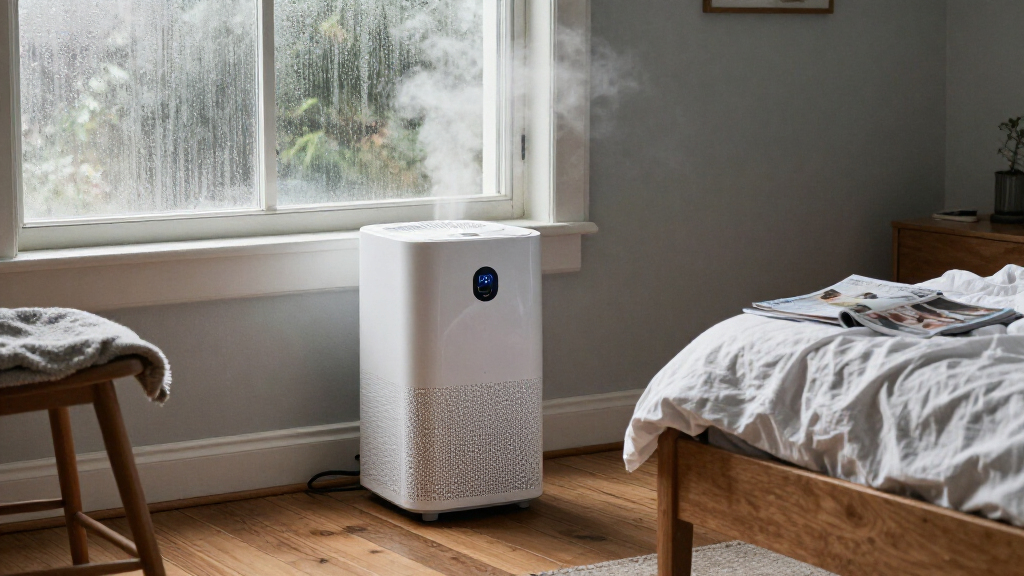
Princess Smart 20L compressor dehumidifier with app control
As an affiliate, we earn on qualifying purchases.
As an affiliate, we earn on qualifying purchases.
How the Month-Long Test Worked
The reviewer tested the Princess model in different rooms and under varying humidity conditions, focusing on a bedroom described as particularly vulnerable to damp during colder periods. The test checked humidity accuracy against a separate monitor, app and control-panel usability, noise on both fan settings, and the routine work of emptying the tank and removing the filter.
The unit is designed for use with either its 3.7-litre tank or the included hose for continuous drainage. The manual, as described in the review, recommends leaving about 20 centimetres of clearance from walls and obstacles and keeping the appliance out of direct sunlight. The app is available for Android and iOS, and the report says the model also works with Google Assistant. The source excerpt ends during the design discussion and does not contain the full review or its complete verdict.
“It felt straightforward to live with, quietly working away in the background while giving me the option to step in and fine-tune settings when I needed to.”
— Ideal Home reviewer
The Missing Performance Results
The available source material does not provide the reviewer’s starting and ending humidity readings, the amount of water collected over a set period, or a quantified comparison with another dehumidifier. It also does not establish whether condensation or mould changed during the test. The article’s headline says the results surprised the reviewer, but the supplied excerpt does not explain what those results were.
Other unresolved points include the unit’s electricity use and cost over the test, how often the tank needed emptying, and how noticeable its noise was in the bedroom during sleep. The quoted extraction capacity and noise range are specifications; actual results can vary with room conditions and use. The test described is one reviewer’s experience in one home, not a controlled study of performance across homes.
The Full Review’s Verdict
The supplied report excerpt does not state a follow-up test or a further product announcement. Readers seeking a buying verdict would need the complete Ideal Home review for its remaining findings, including any humidity measurements, longer-term observations and final assessment. Any decision should also account for the model’s 20-square-metre recommended room limit, tank capacity, drainage needs and the conditions in the intended room.
Key Questions
How long was the Princess Smart 20L tested?
The reviewer says the dehumidifier was tested for just over a month, in several rooms of a period home, including a bedroom prone to condensation.
Did the test prove that it removed damp or prevented mould?
Not in the supplied excerpt. It describes a damp-prone setting and the testing methods, but provides no measured humidity change or confirmed reduction in mould or condensation.
What smart features does the model have?
The Princess app can display humidity and lets users switch the unit on or off, set schedules and humidity targets, and adjust fan speed. The review also says the model supports Google Assistant.
What are the dehumidifier’s main specifications?
The review lists a 20-litre-per-day extraction rating, a 3.7-litre tank, a 325-watt power rating and a recommended maximum room size of 20 square metres. These are product specifications, not measured outcomes from the test.
What remains unknown about the results?
The excerpt does not give actual humidity readings, water collected, energy costs, or a quantified change in condensation. It also does not explain what the headline’s reference to surprising results means.
Source: rss
Fall Picks
fall essentials
As an affiliate, we earn on qualifying purchases.