TL;DR

Get cleaning gear delivered free — and shop member deals
- Fast, free delivery on millions of items
- Access to Prime Big Deal Days deals on October 6–7
- Prime Video, Amazon Music and more included
Livingetc reports that Capiz shell lighting is appearing in more interior design projects, renewing interest in a material used in lighting and windows for generations. Designers quoted in the report say its translucent shells diffuse light and bring a natural, pearlescent quality to rooms; the trend’s scale and staying power are not established.
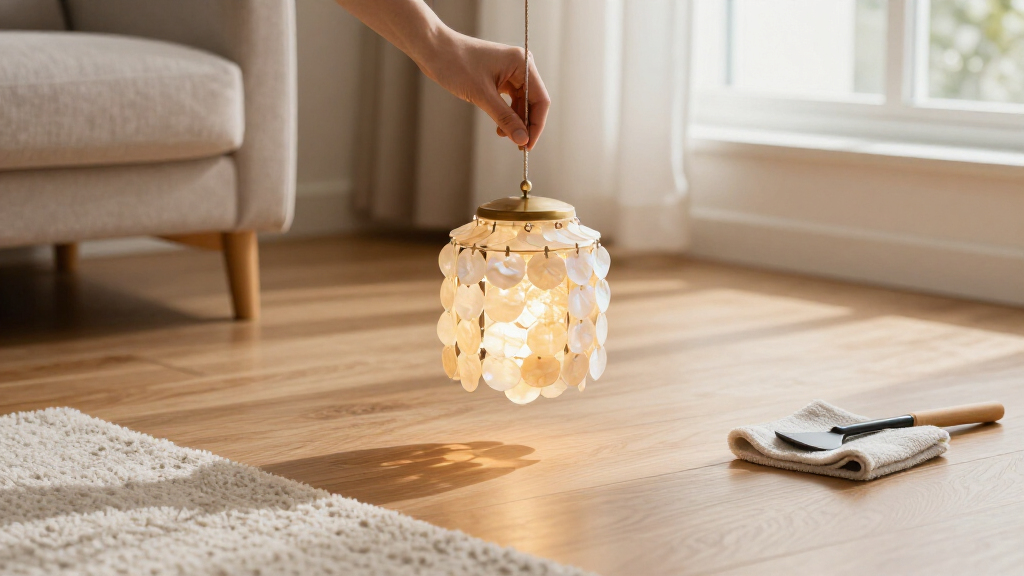
Capiz shell lighting is reappearing in interior design projects, according to a Livingetc report, as designers use the translucent shells to soften light and add a pearlescent accent to homes and hotels. The report presents the fixtures as a renewed design interest, not a measured market-wide trend, and says their appeal comes from how the natural material interacts with illumination.
Livingetc traces a prominent modern reference point for the look to Danish designer Verner Panton’s Fun series, first designed in 1964. The series used cascading, reflective discs to create movement and shimmer. Similar shell-based designs are now appearing across lighting projects, the report says, though it does not identify a sales surge or quantify how widely the fixtures are being adopted.
Capiz shells come from the windowpane oyster, known scientifically as Placuna placenta. The mollusc is found along Southeast Asian coasts, especially in the Philippines. Livingetc says the shells have long been harvested and used there, including as translucent window coverings in homes and churches. Their present use in lighting draws on that quality: the shells allow light through while diffusing it.
Australian designer Greg Natale told Livingetc that Capiz’s organic, translucent and pearlescent qualities introduce a gentle iridescence. In a dressing room for a London project, he said, the light helped reflect onto floral wallpaper and added movement to other finishes. Designer Kanika Khurana told the publication that clients and designers are responding to materials that appear natural and imperfect, in contrast with the sleek, minimalist fixtures common in recent years.
A Softer Alternative to Clear Glass
The renewed interest matters to readers planning a room because a light fixture can shape both the illumination and the mood. Capiz’s translucent shells are described by designers as diffusing rather than sharply transmitting light, which may suit spaces where a softer glow is preferred. Alex Bucklin, founder of Bucklin Design Co., told Livingetc that illuminated shells can seem to glow from within, making a fixture a focal point while giving off a warm effect.
The material also offers a different visual note from the wood, earthy colors and minimalist forms often associated with natural interiors. Its sheen can be used as contrast in a contemporary room rather than being confined to coastal styling. These are designers’ observations about appearance and atmosphere, not evidence that Capiz lighting improves sleep, wellbeing or energy use.
For homeowners, the practical takeaway is to treat the fixture as both a light source and a decorative element. Its impact will depend on the design, bulb, room size and surrounding finishes. The source does not provide buying guidance, price ranges, performance comparisons or independent testing, so the trend should not be read as a recommendation that one material suits every space.
As an affiliate, we earn on qualifying purchases.
From Philippine Windows to Modern Fixtures
Capiz shell’s design history predates its association with mid-century lighting. According to Livingetc, the shells were used in the Philippines as a less expensive alternative to glass and can still be seen in windowpanes in homes and churches. That history gives current fixtures a connection to an established material use, even as contemporary designers emphasize their decorative response to light.
Panton’s 1964 Fun series helped make cascading, shimmering discs a recognizable lighting form. More than six decades later, Livingetc describes similar pearlescent fixtures appearing in a range of projects. The article links the renewed attention to interest in nostalgia and in materials that look visibly tied to nature, while also noting that Capiz can sit outside coastal interiors when used as an unexpected contrast.
The report’s examples and designer interviews establish that the material is being used in specific projects and discussed by practitioners. They do not establish when the renewed interest began, how many designers are using it, or whether the attention has translated into broad consumer demand.
“The shells are translucent rather than transparent, so they soften and diffuse the light instead of giving you the harder, more direct glow you can get through clear glass.”
— Alex Bucklin, founder of Bucklin Design Co., quoted by Livingetc
How Far the Trend Has Spread
The scale of the trend is not clear. Livingetc cites design projects and professional opinions but gives no sales figures, consumer survey, market data or count of retailers carrying Capiz fixtures. Its description of renewed interest is a design report, not confirmation of broad adoption.
The publication also says it expects to see more Capiz lighting in the coming year, but does not specify the forecast’s basis or define the period. The report does not detail the sourcing practices, environmental effects, labor conditions, durability, maintenance needs or cost of particular products. Those details may vary by maker and fixture, so claims about them cannot be drawn from the material provided.
More Projects Will Test the Forecast
Livingetc’s report anticipates further use of Capiz lighting in the coming year, especially in designs that place the material outside its familiar coastal setting. Whether that forecast bears out will depend on what designers, retailers and manufacturers bring to market; the report names no upcoming launches or scheduled projects.
For readers following the trend, the clearest next indicators will be whether additional designers feature Capiz in completed interiors and whether retailers offer a wider range of fixtures. Until such evidence appears, the development is best understood as a reported revival in design interest, with its market reach still undetermined.
Key Questions
What is Capiz shell lighting?
It is lighting made with thin, translucent shells from the windowpane oyster (Placuna placenta). The shells are arranged as part of a fixture and are valued for their pearlescent appearance and the way they diffuse light.
Why are designers using Capiz shells?
Designers quoted by Livingetc point to the material’s soft light diffusion, natural irregularity and shimmer. They say it can add visual movement and warmth, though those effects depend on the fixture and room.
Is Capiz lighting only suited to coastal interiors?
No. Livingetc says the material is associated with coastal styling but can also be used in modern or unexpected settings as a contrasting finish. That is design guidance from the report, not a rule about where it must be used.
Is Capiz shell lighting becoming a widespread trend?
The report describes renewed interest and gives examples from design projects, but provides no market figures or adoption data. Its wider popularity and commercial scale remain unclear.
Source: rss
Fall Picks
fall essentials
As an affiliate, we earn on qualifying purchases.