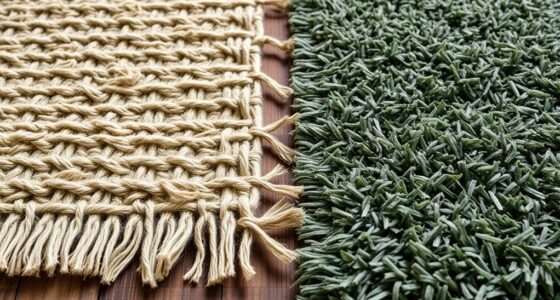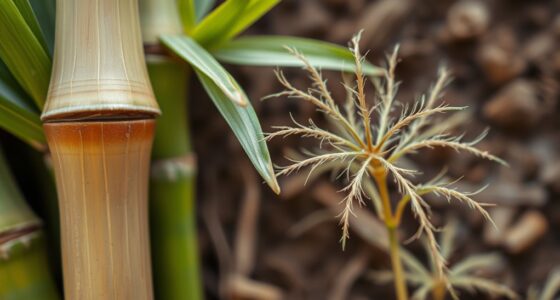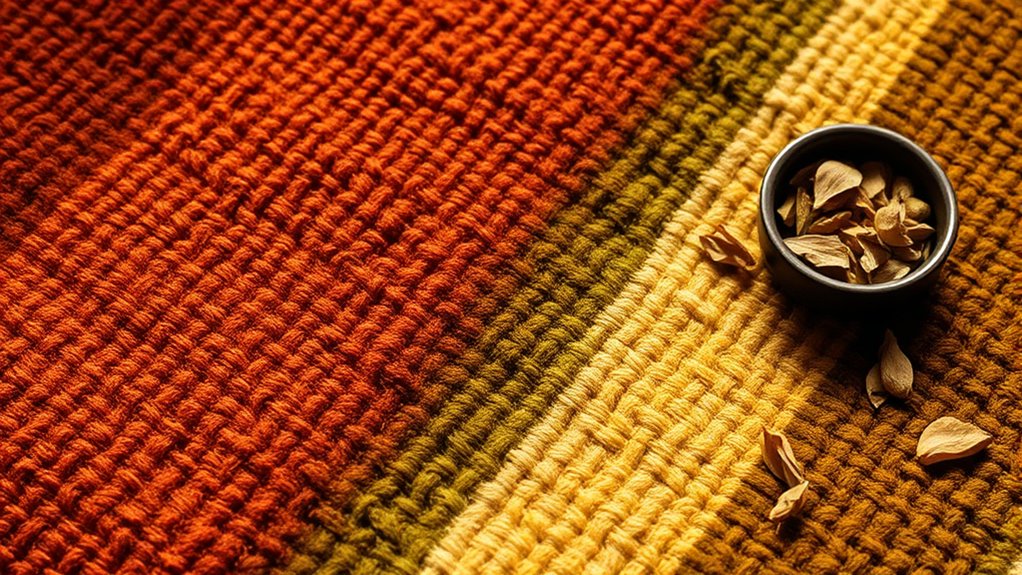

To achieve environmentally friendly rug colors, use natural dyeing techniques with plant-based mordants like alum, cream of tartar, or iron sulfate. Applying mordants before or after dyeing helps fix the dye to fibers, ensuring vibrant, durable hues. These eco-conscious methods reduce chemical use and enhance sustainability. Experimenting with different mordant applications can produce unique, rich tones. Keep exploring to discover more ways natural processes can create stunning, eco-friendly rug designs.

Get cleaning gear delivered free with Prime
- Fast, free delivery on millions of items
- Prime Video, Amazon Music and more included
- Member-only deals all year
Key Takeaways
- Use plant-based mordants like alum or iron sulfate to fix dyes sustainably on rug fibers.
- Pre-mordant fibers to enhance dye adhesion and achieve vibrant, long-lasting colors.
- Opt for eco-friendly dye sources such as indigo, madder, or turmeric to reduce environmental impact.
- Experiment with double-mordant techniques for complex, unique hues in rug designs.
- Proper mordanting methods improve colorfastness and minimize chemical waste, supporting environmentally conscious dyeing.
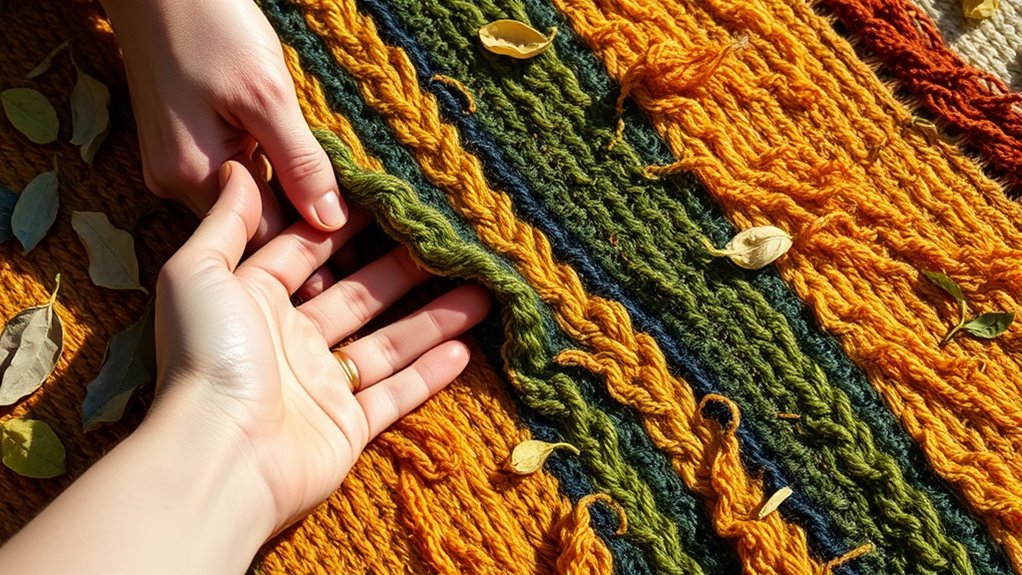
Natural dyeing techniques offer an eco-friendly alternative to synthetic dyes, allowing you to create vibrant colors using plant, mineral, and insect sources. When working with natural dyes, one of the most essential steps is preparing your fabric with a mordant. Mordants are substances that fix the dye to the fiber, guaranteeing colorfastness and vibrancy. Many natural dyeing enthusiasts prefer plant-based mordants because they are biodegradable and less toxic than traditional metallic mordants. Common plant-based options include alum, cream of tartar, and iron sulfate derived from natural sources. Using plant-based mordants not only aligns with eco-conscious principles but also adds unique hues to your palette, especially when combined with different mordant application methods.
Applying mordants correctly is vital for achieving consistent, lasting colors. You can use several mordant application methods, each influencing the final dye result differently. The most straightforward approach is the pre-mordant method, where you soak your fabric in a mordant solution before dyeing. This allows the mordant to penetrate the fibers thoroughly, creating a strong bond with the dye. Alternatively, some dyeing processes involve mordanting after dyeing, which can intensify or alter the color, especially with reactive mordants like iron or copper. There’s also the double-mordant technique, where you mordant the fabric twice with different substances, producing complex hues and enhancing color stability.
When applying plant-based mordants, guarantee you prepare your mordant bath properly. Dissolve the mordant in water, heat it if necessary, and immerse your fabric evenly, stirring gently to avoid uneven coloration. The duration of mordanting varies depending on the fiber and desired effect; some fibers require just 30 minutes, while others benefit from longer immersion. Always test on small swatches first to determine ideal times and concentrations. You might find that experimenting with different mordant application methods yields surprising, beautiful results—such as a subtle shift in hue or increased colorfastness.
As an affiliate, we earn on qualifying purchases.
Frequently Asked Questions
How Long Do Naturally Dyed Rugs Typically Last?
Naturally dyed rugs typically last 10 to 20 years, depending on dye fixation and usage. Proper dye fixation guarantees the colors stay vibrant longer, while excessive exposure to sunlight can accelerate color fading. You can extend their lifespan by avoiding direct sunlight and regular gentle cleaning. With good care, your naturally dyed rug will maintain its beauty and color integrity, making it a lasting, eco-friendly addition to your space.
Are Natural Dyes Colorfast Over Time?
Natural dyes generally offer good color stability and fading resistance, but they may fade over time with exposure to sunlight or frequent washing. You can enhance their longevity by protecting your rug from direct sunlight and using gentle cleaning methods. While natural dyes may not be as permanent as synthetic ones, proper care guarantees vibrant colors and maintains the rug’s beauty for years. So, with mindful upkeep, natural dyes can stay beautiful over time.
Can I Dye Rugs at Home With Natural Ingredients?
Think of DIY dyeing like brewing a pot of tea—you can create vibrant, plant-based pigments right at home. Yes, you can dye rugs with natural ingredients, but patience is key. Gather plant-based pigments like turmeric or indigo, then simmer and soak your rug. With careful preparation and a bit of experimentation, you’ll achieve beautifully dyed rugs that are eco-friendly and uniquely yours.
What Are Common Plant Sources for Natural Dyes?
You can find common plant sources for natural dyes in berries, roots, leaves, and bark. Botanical coloring agents like indigo from *Indigofera* plants give blue hues, while madder roots produce rich reds. Turmeric provides vibrant yellows, and onion skins create warm browns. These plant dye sources are eco-friendly options for coloring rugs naturally at home, giving you beautiful, sustainable results with minimal environmental impact.
Do Natural Dyes Stain Clothing or Skin?
Natural dyes can stain clothing and skin, so you should take precautions when dyeing. While dyeing clothing, you might notice some color transfer if the fabric isn’t fully set, and skin staining can occur if you don’t wear gloves or wash your hands promptly. To minimize this, wear gloves and protect your clothes. Once set properly, natural dyes typically don’t cause ongoing staining, making them a safe eco-friendly option.
Conclusion
Embracing natural dyeing techniques not only creates stunning, eco-friendly rug colors but also supports sustainable practices. Some might think natural dyes lack vibrancy, but with proper skill, you’ll find they produce rich, lasting hues that rival synthetic options. So go ahead—experiment and incorporate these environmentally conscious methods into your projects. You’ll enjoy beautiful, unique designs while making a positive impact on the planet, proving that eco-friendly choices can be both practical and stunning.
Evergreen bestsellers Picks
bestsellers
As an affiliate, we earn on qualifying purchases.