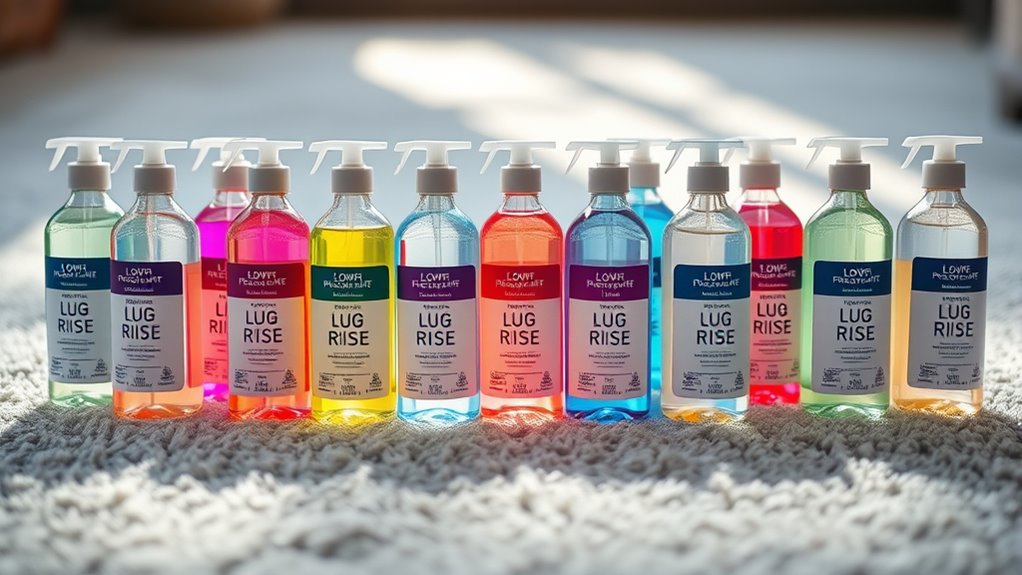
A low-pH rug rinse agent can help remove alkaline cleaning residue after extraction, but the right choice depends on the product’s intended use and your rinsing routine. I’d put Esteam Fibre Rinse first overall for its clear acidic-rinse role, while Bridgepoint Flex ICE stands out for a powdered neutralizing format and 53105 Carpet Fiber Rinse and Odor Neutralizer for buyers who also want odor-neutralizing support. The main tradeoffs are liquid versus powder, a dedicated rinse versus a detergent or encapsulating after-rinse, and whether you need a concentrated product for routine professional use. Product names and labels matter here: not every item in this roundup serves the same step in a cleaning process. Read on for the full comparison and a guide to matching rinse choice to your equipment and cleaning needs.

Get cleaning gear delivered free with Prime
- Fast, free delivery on millions of items
- Prime Video, Amazon Music and more included
- Member-only deals all year
Complete the kit


Key Takeaways
- Esteam Fibre Rinse is the clearest match for a dedicated acidic carpet and upholstery rinse, making its role easier to identify than products labeled as detergents or after-rinses.
- Bridgepoint Flex ICE takes a different route with a powdered neutralizing rinse; it may suit buyers who prefer powder, but requires accurate mixing and label checks.
- Prochem All Fiber Deep Clean appears in two forms: a case of four and a one-gallon low-pH detergent. Compare intended use and quantity before treating them as interchangeable rinse agents.
- Structured by Nature Encapsulating After Rinse is distinct from a conventional acidic extraction rinse, so buyers should confirm that encapsulation matches their process.
- Diversey Extraction Rinse and 53105 Carpet Fiber Rinse and Odor Neutralizer provide alternative rinse-focused choices; product-specific instructions and compatibility should determine the final fit.
| Prochem All Fiber Deep Clean Carpet Detergent, Case of 4 |  | Best for Wool and Synthetic Versatility | Product type: Carpet detergent | pH: 5.2–5.8 | Carpet compatibility: Synthetic and wool | VIEW ON AMAZON | See Our Full Breakdown |
| Esteam Fibre Rinse – Acidic Rinse Agent for Carpets & Upholstery (1 Gallon) |  | Best for Final-Step Acid Rinsing | Volume: 1 gallon | Diluted pH: 2.4 | Dilution ratio: 1:128 | VIEW ON AMAZON | See Our Full Breakdown |
| Bridgepoint Flex ICE Powdered Neutralizing Extraction Rinse, 6 lb | 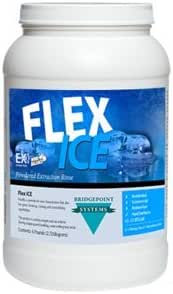 | Best for Equipment-Conscious Rinsing | Brand: Bridgepoint | Form: Powder | Size: 6 lb jar | VIEW ON AMAZON | See Our Full Breakdown |
| Prochem All Fiber Deep Clean Low-pH Carpet and Upholstery Detergent, 1 Gallon (S103) |  | Best Single-Gallon Detergent-and-Rinse | Brand: Prochem | Part number: S103 | Form: Liquid concentrate | VIEW ON AMAZON | See Our Full Breakdown |
| Structured by Nature Encapsulating After Rinse, Soft Linen |  | Best Scented After-Rinse Option | Product type: Encapsulating after-rinse cleaner | Scent: Soft Linen | Brand: Structured by Nature | VIEW ON AMAZON | See Our Full Breakdown |
| 53105 Carpet Fiber Rinse and Odor Neutralizer, 1 Gallon |  | Best for Pet Odor Control | Product code: 53105 | Volume: 1 gallon | pH: Mildly acidic | VIEW ON AMAZON | See Our Full Breakdown |
| Diversey Extraction Rinse Carpet Rinse Aid, 1 Gallon |  | Best for Wool and Hard-Water Residue | Brand: Diversey | Volume: 1 gallon (128 fl oz), pack of 1 | Item form: Liquid | VIEW ON AMAZON | See Our Full Breakdown |
| low ph rug rinse agent | Product type | Volume | Brand |
|---|---|---|---|
| Prochem All Fiber Deep Clean C | Carpet detergent | — | — |
| Esteam Fibre Rinse | Acidic rinse agent | 1 gallon | — |
| Bridgepoint Flex ICE Powdered | — | — | Bridgepoint |
| Prochem All Fiber Deep Clean L | — | 1 gallon | Prochem |
| Structured by Nature Encapsula | Encapsulating after-rinse cleaner | — | Structured by Nature |
| 53105 Carpet Fiber Rinse and O | Carpet fiber rinse and odor neutralizer | 1 gallon | — |
| Diversey Extraction Rinse Carp | — | 1 gallon (128 fl oz), pack of 1 | Diversey |
More Details on Our Top Picks
Prochem All Fiber Deep Clean Carpet Detergent, Case of 4
Prochem All Fiber Deep Clean is a low-pH detergent for buyers who need one formula for both synthetic and wool carpet, with water-cleanable upholstery as an added use. Its pH range of 5.2–5.8 and WoolSafe approval make it a more fiber-specific option than Esteam Fibre Rinse, which is a highly acidic final-step rinse rather than a comparable detergent. Prochem also targets wicking and recurring stains on olefin, a useful distinction for carpets prone to spots returning after cleaning. It rinses easily and is listed as safe for stain-resistant carpet. The tradeoff is that this comes as a case of four and needs separate dilution for portable or truckmount equipment; Bridgepoint Flex ICE is a rinse powder instead, so it may suit buyers focused on equipment protection and residue rinsing better.
Pros:- Suitable for synthetic and wool carpets, with WoolSafe approval
- Can also be used on water-cleanable upholstery
- Designed to help reduce olefin wicking and recurring stains
- Rinses easily and is listed as safe for stain-resistant carpet
Cons:- Requires dilution for portable and truckmount applications
- Case-of-four format may be excessive for occasional or small-scale cleaning
Best for: Professional cleaners or property-care teams who need a WoolSafe-approved low-pH detergent for synthetic and wool carpet, plus water-cleanable upholstery.
Not ideal for: Buyers seeking a ready-to-use final rinse, a single container, or a product with no dilution step.
- Product type:Carpet detergent
- pH:5.2–5.8
- Carpet compatibility:Synthetic and wool
- Additional use:Water-cleanable upholstery
- Approval:WoolSafe Approved
- Portable dilution:2 oz per gallon
- Truckmount dilution:1 qt in 5 gallons
- Package quantity:Case of 4
Our verdict“Choose this case when you need a low-pH detergent for varied carpet fibers and upholstery; skip it if you only need a final rinse or a small quantity.”
Esteam Fibre Rinse – Acidic Rinse Agent for Carpets & Upholstery (1 Gallon)
Esteam Fibre Rinse is the clearest fit here when the goal is a dedicated low-pH final rinse, not an all-purpose detergent. Its diluted pH of 2.4 is intended to neutralize alkaline cleaning residues, while the formula is also described as helping stabilize dyes and inhibit browning. Compared with Prochem All Fiber Deep Clean, which combines detergent and rinse functions at a milder pH, Esteam is more narrowly aimed at the post-cleaning step and stain work involving urine or tannins. That focus can help cleaners who routinely need a distinct acid rinse, but the 1:128 dilution and high acidity call for careful measuring and handling. Buyers wanting a more forgiving multipurpose cleaner should look at Prochem; this gallon makes more sense for trained users who want targeted alkalinity neutralization on carpet and wet-cleanable upholstery.
Pros:- Designed to neutralize alkaline residues after wet cleaning
- Helps stabilize dyes and inhibit browning
- Suitable for carpets, wet-cleanable upholstery, and stain-resistant fabrics
- Listed for spot treatment of urine and tannin stains
Cons:- Diluted pH of 2.4 calls for careful handling
- Requires accurate 1:128 dilution before use
- Functions as a specialized rinse rather than a broad cleaning detergent
Best for: Professional carpet and upholstery cleaners who want a dedicated acidic final rinse and also handle urine or tannin spot treatment.
Not ideal for: New or occasional users who prefer a milder, multipurpose low-pH detergent or do not want to measure and handle a highly acidic concentrate.
- Volume:1 gallon
- Diluted pH:2.4
- Dilution ratio:1:128
- Suitable for:Carpets, wet-cleanable upholstery, and stain-resistant fabrics
- Product type:Acidic rinse agent
- Cleaning role:Final-step wet-cleaning rinse
Our verdict“Pick Esteam for a dedicated, carefully diluted acidic final rinse; choose Prochem All Fiber Deep Clean instead if you need a low-pH detergent as well.”
Bridgepoint Flex ICE Powdered Neutralizing Extraction Rinse, 6 lb
Bridgepoint Flex ICE is a concentrated powdered extraction rinse for cleaners who want a residue-rinsing step with added attention to equipment and water conditions. Its listed benefits include helping protect steel, brass, and copper components and limiting hard-water scaling in solution lines—features that distinguish it from Esteam Fibre Rinse, whose focus is acidic neutralization, dye stability, and browning control. Flex ICE is also described as compatible with varied pre-sprays and carpet and upholstery fibers, and as leaving fibers soft without a soapy residue feel. The main tradeoff is that the available product data gives no mixing ratio or pH figure, so buyers have less information for dialing in use than they do with Esteam’s stated dilution. The powder format also adds a measuring step compared with Prochem’s liquid concentrates.
Pros:- Compatible with various pre-sprays and carpet and upholstery fibers
- Helps protect steel, brass, and copper equipment components
- Helps reduce hard-water scaling in solution lines
- Described as leaving fibers soft without a soapy residue feel
Cons:- Product data does not provide a pH value or recommended dilution ratio
- Powder requires measuring and mixing before use
- Unlike Esteam Fibre Rinse, it is not specifically described for urine or tannin spot treatment
Best for: Professional cleaners using extraction equipment who work with varied pre-sprays and want a rinse that also addresses hard-water scaling and metal protection.
Not ideal for: Buyers who need a clearly stated pH or dilution ratio, or who prefer a ready-to-measure liquid rinse.
- Brand:Bridgepoint
- Form:Powder
- Size:6 lb jar
- Item volume:96 fluid ounces
- Unit count:96 ounces
- Scent:Unscented
- Recommended surfaces:Carpet and upholstery
- Special features:Concentrated neutral pH rinse
Our verdict“Choose Flex ICE if equipment protection and hard-water scaling matter alongside rinsing, but favor a product with stated dilution details if precise setup is your priority.”
Prochem All Fiber Deep Clean Low-pH Carpet and Upholstery Detergent, 1 Gallon (S103)
Prochem All Fiber Deep Clean S103 combines low-pH detergent and rinse functions in a liquid concentrate, making it a practical choice when one product needs to handle cleaning and residue control on water-cleanable carpet or upholstery. Its polymer encapsulation chemistry is intended to help reduce recurring stains, wicking, browning, and alkaline residues, while WoolSafe approval covers wool carpet and upholstery. Compared with the case-of-four Prochem All Fiber Deep Clean, this listing offers a single gallon rather than a multi-container supply, which suits smaller operations or buyers who want to start with a smaller quantity. It is less specialized than Esteam Fibre Rinse for a dedicated acidic final rinse, though. S103 still needs dilution, and the product data notes that heavy soil may call for a stronger mixture.
Pros:- Combines detergent and rinse functions in one low-pH concentrate
- WoolSafe approved for wool carpet and upholstery
- Polymer chemistry is intended to help reduce wicking, browning, and recurring stains
- One-gallon format avoids the case quantity of the related Prochem product
Cons:- Requires dilution before use
- Heavy soil may need a stronger mixture
- Less specialized as an acidic final rinse than Esteam Fibre Rinse
Best for: Small cleaning businesses or property-care teams seeking a single-gallon low-pH concentrate for water-cleanable carpet and upholstery, including wool.
Not ideal for: Buyers who need a standalone, strongly acidic final rinse or who regularly clean heavy soil without adjusting mixture strength.
- Brand:Prochem
- Part number:S103
- Form:Liquid concentrate
- Volume:1 gallon
- Unit count:128 fluid ounces
- Suitable surfaces:Carpet and upholstery
- Special features:Low-pH detergent and rinse; concentrated; polymer encapsulation chemistry
- WoolSafe approval:Yes, for wool carpet and upholstery
Our verdict“Choose S103 for a single-gallon, low-pH cleaner-and-rinse for carpet and upholstery; select Esteam when a dedicated acidic finishing rinse is the main need.”
Structured by Nature Encapsulating After Rinse, Soft Linen
Structured by Nature Encapsulating After Rinse is the fragrance-led option in this group, with a Soft Linen scent and an encapsulating after-rinse product type. It may appeal to buyers who want a finishing product associated with a fresh-linen scent, but the supplied details do not state its pH, dilution, fiber compatibility, or specific residue-control results. That leaves a larger information gap than with Prochem S103, which lists low-pH detergent-and-rinse chemistry and WoolSafe approval, or Esteam Fibre Rinse, which provides a diluted pH and dilution ratio. The listing identifies Nilodor as manufacturer but offers no use directions or performance claims beyond its product type. I would treat it as a cautious, information-limited choice rather than a dependable low-pH pick until the label confirms suitability for the intended fiber and rinse method.
Pros:- Identified as an encapsulating after-rinse cleaner
- Soft Linen scent may suit buyers seeking a scented finish
- Brand and manufacturer are specified
- Model number is provided for product identification
Cons:- No pH or dilution instructions are provided in the supplied product data
- Cleaning performance and residue-control details are not stated
- Carpet, wool, and upholstery compatibility are not specified
Best for: Buyers who specifically want a Soft Linen-scented encapsulating after-rinse and can verify the product label for pH, dilution, and fiber suitability.
Not ideal for: Cleaners who need documented low-pH performance, clear mixing instructions, or confirmed wool and upholstery compatibility.
- Product type:Encapsulating after-rinse cleaner
- Scent:Soft Linen
- Brand:Structured by Nature
- Manufacturer:Nilodor
- Model number:C282-005
- Dimensions:1 × 1 × 1 inches
- Weight:8.93 pounds
Our verdict“Consider this only if Soft Linen fragrance is a priority and you can confirm the label details, since its low-pH suitability is not established in the supplied information.”
53105 Carpet Fiber Rinse and Odor Neutralizer, 1 Gallon
53105 Carpet Fiber Rinse and Odor Neutralizer earns this spot by combining a mildly acidic final rinse with pet-odor neutralizing chemistry. That pairing can simplify extraction cleaning: one product handles rinse-stage residue while also addressing lingering odors, without relying on a heavy fragrance. Its mildly acidic pH is intended to help limit browning, stiff-feeling fibers, and quick re-soiling after cleaning.
Compared with Diversey Extraction Rinse Carpet Rinse Aid, 53105 puts more emphasis on deodorizing, while Diversey offers clearer guidance for separate synthetic- and wool-carpet dilution rates and calls out hard-water and salt deposit removal. The tradeoff is that 53105 requires careful dilution, and the supplied details do not give a specific ratio. It suits pet households and cleaning professionals who want a rinse-plus-deodorize step, but buyers seeking explicit wool guidance may prefer Diversey.
Pros:- Combines a final-step rinse and odor neutralizer in one product
- Designed to help reduce re-soiling, browning, and stiff-feeling fibers
- Compatible with most extraction machines, including truck mounts, portables, and upright extractors
- Neutralizes pet odors without relying on a strong fragrance
Cons:- Requires correct dilution, but no ratio is supplied in the provided product details
- The supplied information does not specify wool approval or carpet-specific dilution guidance
Best for: Pet-owning households and carpet cleaners who want a mildly acidic extraction rinse that also neutralizes odors without a strong fragrance.
Not ideal for: Buyers who need stated dilution ratios or specific wool-carpet guidance, since those details are not provided here.
- Product code:53105
- Volume:1 gallon
- pH:Mildly acidic
- Product type:Carpet fiber rinse and odor neutralizer
- Intended use:Professional and commercial carpet cleaning
- Application:Extraction cleaning
- Machine compatibility:Most extractors, including truck mounts, portables, and uprights
Our verdict“Choose 53105 if pet-odor control matters as much as a low-pH rinse, and choose Diversey instead if you need stated wool and synthetic dilution guidance.”
Diversey Extraction Rinse Carpet Rinse Aid, 1 Gallon
Diversey Extraction Rinse Carpet Rinse Aid is the more specification-led choice for buyers focused on residue removal rather than odor treatment. Its slightly acidic, low-residue formula is designed to neutralize alkaline cleaner residue and remove hard-water and salt deposits; used at the recommended dilution, it also helps limit extractor jet clogging. WoolSafe approval gives wool-carpet owners a clearer suitability signal than the supplied details provide for 53105.
The tradeoff is a two-rate dilution rule: the listed mix is 1 ounce per gallon for synthetic carpet and 1 ounce per 5 gallons for wool. That calls for care when switching carpet types. Unlike 53105, Diversey is not described as a pet-odor neutralizer, so it is a weaker fit when freshening is part of the job. Compared with the acidic rinse options elsewhere in this roundup, its stated hard-water and salt-removal role makes its purpose especially clear.
Pros:- Removes hard-water and salt deposits while neutralizing alkaline residue
- WoolSafe approved and also suitable for synthetic carpets
- Low-residue formula is intended to avoid tacky leftover deposits when used as directed
- Slightly acidic formula helps reduce extractor jet clogging at the recommended dilution
Cons:- Must be diluted before use, with different rates for wool and synthetic carpets
- No pet-odor neutralizing function is specified
- Requires attention to carpet fiber type to avoid using the wrong dilution rate
Best for: Professional cleaners and wool-carpet owners who need a low-residue rinse with clear dilution directions for both wool and synthetic fibers.
Not ideal for: Pet owners seeking a rinse that also neutralizes odor, or users who prefer one dilution rate for every carpet type.
- Brand:Diversey
- Volume:1 gallon (128 fl oz), pack of 1
- Item form:Liquid
- Formula:Slightly acidic, concentrated, low-residue
- Synthetic carpet dilution:1 oz per 1 gallon
- Wool carpet dilution:1 oz per 5 gallons
- Carpet compatibility:WoolSafe approved for wool; suitable for synthetic carpets
- Special ingredient:Alcohol ethoxylate
- Scent:Fresh
Our verdict“Choose Diversey for wool-safe rinsing and hard-water or salt residue removal; choose 53105 if pet-odor neutralization is your main priority.”

How We Picked
I ranked these products by how clearly their stated role matches a buyer searching for a low-pH rinse agent, then by practical fit: carpet or upholstery use, rinse or neutralizing purpose, product format, and likely ease of incorporating it into an extraction routine. I gave the strongest position to a product explicitly presented as an acidic rinse for carpets and upholstery. Rinse-focused alternatives follow, while detergent and encapsulating after-rinse products rank lower because their labels point to different functions that buyers should verify before purchase.
I also weighed tradeoffs that affect day-to-day selection, including liquid versus powder, single-container versus case quantity, and added odor-neutralizing claims. Those features do not prove performance on every fiber or machine, so the ranking does not replace label directions or a compatibility check. The list includes distinct roles rather than treating all seven products as equivalent: buyers should use each product only for the cleaning step its manufacturer specifies.
| low ph rug rinse agent | Product type | Brand |
|---|---|---|
| Prochem All Fiber Deep Clean C | Carpet detergent | — |
| Esteam Fibre Rinse | Acidic rinse agent | — |
| Bridgepoint Flex ICE Powdered | — | Bridgepoint |
| Prochem All Fiber Deep Clean L | — | Prochem |
| Structured by Nature Encapsula | Encapsulating after-rinse cleaner | Structured by Nature |
| 53105 Carpet Fiber Rinse and O | Carpet fiber rinse and odor neutralizer | — |
| Diversey Extraction Rinse Carp | — | Diversey |
Factors to Consider When Choosing Low Ph Rug Rinse Agent
Choosing a low-pH rinse is less about picking the strongest-sounding label and more about matching chemistry, fiber, and cleaning method. I’d check these factors before buying, especially when a product name could refer to a detergent, rinse, or after-rinse rather than the same category of agent.
Confirm the Product Is a Rinse, Not a Detergent
A product described as a detergent may be intended for the cleaning stage, while a rinse agent is used later to help flush or neutralize residues. Those roles are not interchangeable, even when both products mention low pH or carpet cleaning. Read the directions for where the product goes in the process and whether it is approved for extraction rinsing. A common mistake is choosing by a matching keyword in the title without checking the stated application. When the label is unclear, ask the manufacturer or supplier before putting it in a machine’s rinse tank.
Match the Chemistry to Fiber and Soil Conditions
Low pH describes an important chemical property, but it does not by itself establish suitability for every rug. Fiber type, dye stability, prior treatments, and the cleaning solution used earlier can all affect compatibility. Test in an inconspicuous area and follow the product label, particularly on wool, natural fibers, or rugs with uncertain dye behavior. Avoid assuming that a rinse marketed for carpet automatically suits every handmade or specialty rug. The safest choice is the product whose application guidance matches the item being cleaned.
Choose a Format You Can Measure Reliably
Liquid products are often straightforward to pour, while powders can be practical for buyers who prefer dry storage or a different dosing routine. Powder requires complete dissolution and accurate measuring; undissolved material or an incorrect mix can interfere with application. Concentration and dilution directions matter more than package size when comparing formats. Do not estimate a dose from another brand’s instructions, since formulations differ. If multiple operators use the same product, clear measuring tools and written directions can reduce mixing errors.
Check Equipment and Application Compatibility
Extraction machines, sprayers, and upholstery tools may have different requirements, so confirm that the product is approved for your equipment and application method. A product suitable for carpet extraction may not be specified for every upholstery setup. Check whether the instructions call for a separate rinse tank, pre-dilution, or a particular water temperature. Residue, foam, and maintenance concerns depend on the formulation and how it is mixed, not only on its pH label. Following the manufacturer’s directions helps avoid equipment issues and inconsistent results.
Decide Whether Added Odor or Encapsulation Features Fit
Some options add odor-neutralizing language or use an encapsulating after-rinse approach, which can serve a different purpose from a straightforward acidic rinse. Decide whether that added function fits your workflow rather than assuming it replaces soil removal or proper extraction. Fragrance can be a poor fit for scent-sensitive households, while odor-neutralizing claims should be checked against the label’s intended use. Encapsulation products may require a particular cleaning sequence, so confirm the process before switching from a conventional rinse. Paying for an extra feature makes sense only when it addresses a real need in your routine.
Buy for Actual Usage, Not Just Container Count
A case pack can suit a high-volume operation, but it may be inconvenient if you are still learning a product or use rinse agent infrequently. A single gallon can be simpler for trial and storage, though the best choice depends on the label’s dilution rate and your workload. Compare how much prepared solution the directions yield rather than judging by package size alone. Check storage guidance and shelf-life information before buying more than you can use. For a first purchase, a smaller quantity can reduce waste while you confirm compatibility with your process.
Frequently Asked Questions
Can I use a low-pH detergent as my extraction rinse?
Not unless the manufacturer specifically says it is suitable for that rinse step. Detergents and rinse agents can serve different functions, even when both are described as low-pH carpet products. Using a detergent as a rinse may leave you with a process that does not match its dilution or application directions. Check the label for extraction-rinse instructions and machine compatibility. If the intended use is not clear, confirm it with the manufacturer before use.
Is a powdered rinse harder to use than a liquid one?
Powder is not automatically harder, but it asks for more care during measuring and mixing. You need to follow the exact dilution directions and confirm the product dissolves as directed before applying it. Liquid may feel simpler for operators who want to pour and dilute, while powder may better suit buyers who prefer a dry product format. Neither format guarantees better cleaning or fiber results on its own. Choose the one that fits your equipment, storage, and ability to measure consistently.
Should I use the same rinse on wool rugs and synthetic carpet?
Do not assume one product is suitable for both. Fiber, dyes, construction, and prior treatments can change how a rug responds, and a general carpet label may not cover specialty rugs. Follow the rinse manufacturer’s fiber guidance and test a hidden area for color stability before treating the full piece. For valuable, handmade, or uncertain-fiber rugs, consult a qualified cleaner rather than relying on pH alone. The product’s stated compatibility should guide the choice.
Does an odor-neutralizing rinse replace a separate deodorizer?
That depends on the product’s stated purpose and the source of the odor. An odor-neutralizing claim does not establish that a rinse can address every contamination or odor problem, and it cannot substitute for removing the source. Read the label to see what odors and application methods the product is intended to address. Avoid combining products unless their manufacturers permit it, since mixing chemicals can create unwanted reactions or reduce effectiveness. If odor persists, reassess the cause and cleaning method rather than simply increasing the dose.
How do I choose between a dedicated acidic rinse and an encapsulating after-rinse?
Start with the cleaning process you intend to follow, because these labels point to different approaches rather than interchangeable formulas. A dedicated acidic rinse is the more direct fit when your goal is a product specifically identified for acidic rinsing. An encapsulating after-rinse may suit a process built around its own application directions, but buyers should verify how it fits with extraction and any preceding chemistry. Compare the full instructions, equipment compatibility, and fiber guidance before switching. If your current process calls for a conventional rinse, choose an option explicitly approved for that step.
Conclusion
For most buyers seeking a clearly identified low-pH rinse, I’d start with Esteam Fibre Rinse as the best overall pick because its stated acidic-rinse role is direct. Bridgepoint Flex ICE is the best fit for buyers who prefer a powdered neutralizing rinse, while 53105 Carpet Fiber Rinse and Odor Neutralizer suits shoppers who want odor-neutralizing support alongside a fiber-rinse product. For beginners, I’d favor the product whose label most plainly matches the intended step and application, then follow its dilution and testing directions rather than choosing by extra claims. Higher-volume buyers can assess the Prochem case pack, but should first confirm that the detergent is appropriate for their process; the single-gallon Prochem option also needs the same role check. Choose Diversey Extraction Rinse for a rinse-focused alternative, or Structured by Nature Encapsulating After Rinse only when its encapsulation approach fits your routine. The right pick is the one specified for your fiber, equipment, and cleaning step—not simply the product with the most persuasive label.
Halloween Picks
halloween
As an affiliate, we earn on qualifying purchases.