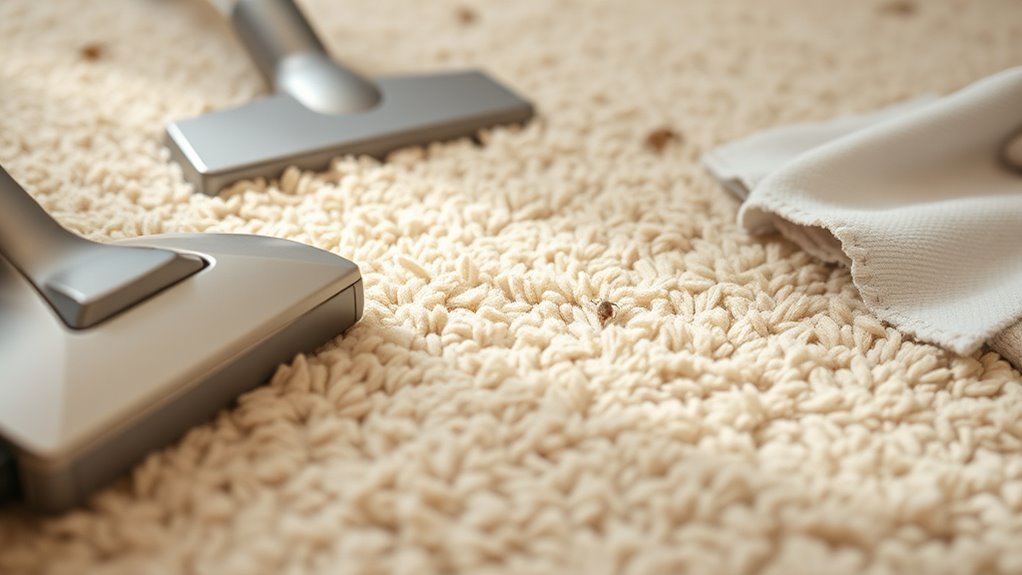

To keep dust mites at bay, vacuum your rugs at least 2-3 times weekly using a vacuum with a HEPA filter to trap tiny allergens. Incorporate natural cleaning methods like baking soda and vinegar, and control indoor humidity with a dehumidifier to prevent dust mite growth. Ensuring proper ventilation and avoiding over-wetting your rugs can make a big difference. Stick with these tips for a healthier home, and discover even more ways to create an allergen-free space.

Get cleaning gear delivered free — and shop member deals
- Fast, free delivery on millions of items
- Access to Prime Big Deal Days deals on October 6–7
- Prime Video, Amazon Music and more included
Key Takeaways
- Vacuum rugs 2-3 times weekly with a HEPA-filter vacuum to remove dust mites and allergens effectively.
- Use natural cleaning solutions like vinegar and baking soda to neutralize odors and reduce allergen buildup.
- Maintain low indoor humidity with dehumidifiers and proper ventilation to inhibit dust mite growth.
- Avoid over-wetting rugs during cleaning to prevent mold and moisture-related issues.
- Schedule professional, allergy-friendly cleaning treatments for deep allergen removal and long-term mite control.

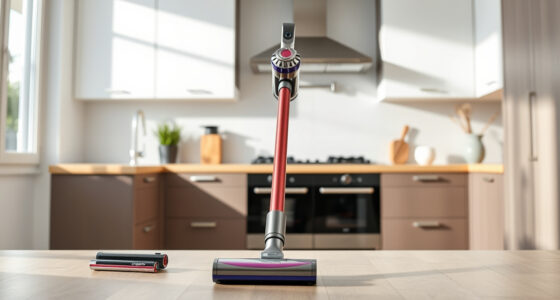
If you or someone in your household suffers from allergies, maintaining a clean rug is essential for a healthier home. Dust mites and other allergens tend to settle deep into rug fibers, making regular cleaning a must. One of the most effective ways to combat this is by paying attention to vacuum frequency. You should aim to vacuum your rugs at least two to three times a week, especially in high-traffic areas. Using a vacuum with a HEPA filter can trap tiny particles like dust mites and pollen, preventing them from recirculating into the air. Make sure to go over each section slowly and thoroughly, allowing the vacuum to extract as much debris as possible from deep within the fibers. Consistency is key; the more often you vacuum, the less allergen buildup you’ll have over time.
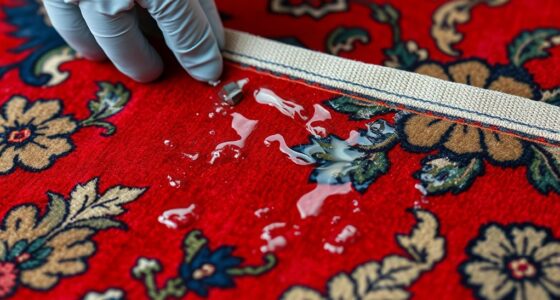
In addition to frequent vacuuming, adopting natural cleaning methods helps reduce chemical residues that might trigger sensitivities. Many commercial rug cleaners contain harsh detergents or artificial fragrances, which can aggravate allergic reactions. Instead, look for natural cleaning solutions like a mixture of white vinegar and water, or baking soda sprinkled on the rug before vacuuming. These options are not only effective at neutralizing odors but also help kill dust mites without introducing irritants into your home. Regularly applying a natural cleaning solution can reduce the overall allergen load and improve your indoor air quality.
Another important aspect is to keep your home dry and well-ventilated, as dust mites thrive in humid environments. Using a dehumidifier in damp areas can help maintain ideal moisture levels, making your rugs less hospitable to these tiny pests. When you’re cleaning, avoid over-wetting your rugs, since excess moisture can promote mold growth and dust mite proliferation. Instead, opt for light, natural cleaning methods that dry quickly and don’t leave behind residual dampness. If your rugs are heavily soiled or have visible stains, consider professional cleaning services that specialize in allergy-friendly treatments, ensuring a deep clean without compromising your health.
Maintaining a regular cleaning routine that combines frequent vacuuming with natural cleaning techniques will considerably reduce dust mites and allergens. This proactive approach creates a healthier environment, especially for allergy sufferers. By staying consistent and mindful of your cleaning methods, you can enjoy a cleaner, safer home that minimizes allergy symptoms and promotes better overall well-being.
HEPA filter vacuum cleaner for allergies
As an affiliate, we earn on qualifying purchases.
As an affiliate, we earn on qualifying purchases.
Frequently Asked Questions
How Often Should I Replace My Rugs to Prevent Dust Mite Buildup?
You should replace your rugs every 5 to 10 years to effectively prevent dust mite buildup. Regular vacuuming and deep cleaning help extend their lifespan, but over time, allergens can embed deeply, making replacement necessary. Staying on top of rug replacement frequency ensures a healthier environment. When rugs show significant wear or persistent dust mite issues remain, it’s time for new ones to maintain ideal allergy-free conditions.
Are There Specific Rug Materials That Resist Dust Mites Better?
Synthetic fibers generally resist dust mites better than natural fibers because they are less hospitable to these pests. Look for rugs made from polyester or nylon, which are more resistant, and consider regular vacuuming and cleaning. Natural fibers like wool or cotton tend to attract dust mites more easily. Choosing synthetic options and maintaining a clean environment can help keep dust mites at bay and reduce allergy symptoms.
Can Natural Remedies Effectively Eliminate Dust Mites From Rugs?
While natural remedies offer gentle support, they often provide limited dust mite elimination compared to conventional methods. You might try vacuuming thoroughly, washing rugs in hot water, or using essential oils like eucalyptus or tea tree, which some believe help deter mites. However, for more effective dust mite control, combining these natural approaches with regular cleaning routines is your best bet to keep your rugs healthier and mite-free.
What Are the Best Vacuum Settings for Allergy-Free Rug Cleaning?
You should set your vacuum to a high power setting to effectively remove dust mites and allergens. Adjust the brush height to be low enough to reach deep into the rug fibers without damaging the material. Use strong suction to pick up dust and debris thoroughly. Regularly changing or cleaning filters also guarantees maximum performance, helping you maintain a healthier, allergen-free environment in your home.
Do Rug Covers Help in Reducing Dust Mite Allergies?
Yes, rug covers help in reducing dust mite allergies by creating a barrier that prevents mites from burrowing into your rug. The benefits of using rug covers include easier dust mite prevention and improved allergy management. They keep dust and allergens contained, making cleaning simpler and more effective. Regularly washing or replacing covers enhances these benefits, ensuring you minimize dust mite exposure and breathe easier in your allergy-prone environment.
Conclusion
By following these allergy-free rug care tips, you can keep dust mites at bay and breathe easier. Imagine your rug as a fortress, where regular cleaning acts like a vigilant guard, blocking tiny invaders from invading your space. I once met someone who struggled with allergies until they started this routine; their symptoms dramatically improved—like clearing fog from a window. Keep your haven clean, and enjoy a healthier, happier home free of dust mite worries.
Halloween Picks
halloween
As an affiliate, we earn on qualifying purchases.