
TL;DR

Get cleaning gear delivered free — and shop member deals
- Fast, free delivery on millions of items
- Access to Prime Big Deal Days deals on October 6–7
- Prime Video, Amazon Music and more included
A Hunker report describes a DIY technique that uses ammonia-free Windex to reduce sticking while smoothing freshly applied silicone caulk. The cleaner should be used only after the bead is in place; getting it on an uncaulked area may interfere with adhesion.
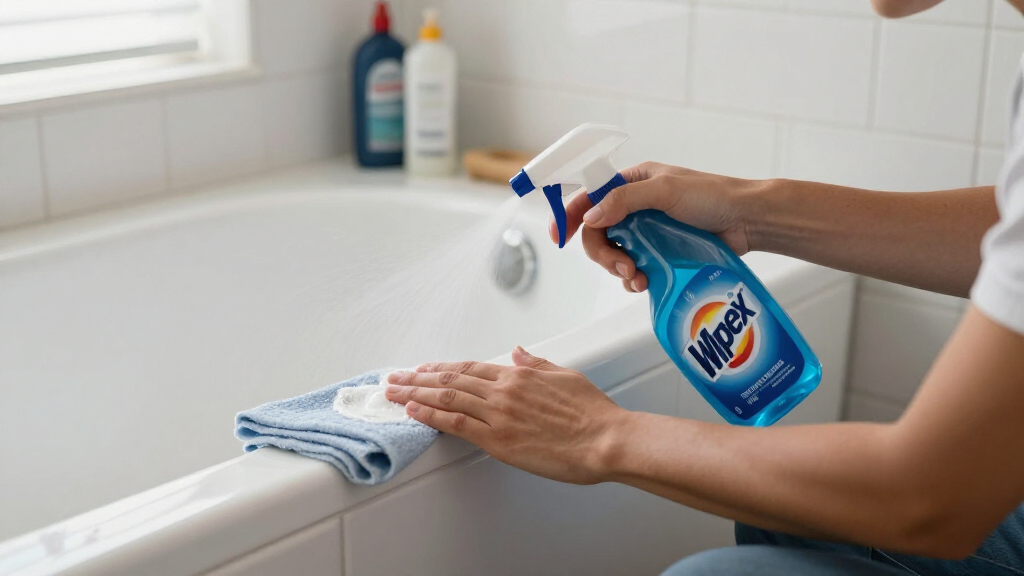
A Hunker report describes a caulking tip in which DIYers lightly spray ammonia-free Windex on a newly applied silicone bead—or on a finishing tool—before smoothing it. The cleaner is intended to help a finger or tool glide over the sticky sealant; it is not a way to clean caulk or improve adhesion, and overspray on an unfilled section may interfere with bonding there.
Fresh silicone caulk can cling to a finger or caulk-finishing tool during tooling, making it harder to create an even bead. The report says the glass cleaner’s slip helps reduce that sticking, which may make smoothing easier. It recommends the ammonia-free version, described as having a lower chance of compromising the caulk than cleaner containing ammonia.
The technique comes after the silicone has been applied along the joint. The report advises lightly spraying the bead and smoothing it immediately, or spraying the tool instead to limit the chance of cleaner landing where caulk still needs to adhere. It stresses that timing matters: silicone begins forming a skin as it cures, so larger jobs can be divided into shorter sections.
Preparation remains part of the process. Hunker advises removing old caulk and debris, then cleaning and drying the joint before applying a fresh bead. A nozzle cut at a 45-degree angle and steady pressure can help produce an even line. Painter’s tape along the edges is another suggested way to control the finished bead.
A Smoother Bead, Not Stronger Adhesion
The tip addresses a common finishing problem: silicone’s sticky surface can catch on the tool or finger used to shape it. A smoother bead can make the joint look neater, while avoiding accidental gaps and extra cleanup. The practical distinction is that Windex is a tooling aid, not a substitute for surface preparation or correct application.
That distinction matters because silicone needs a suitable surface to bond. If glass cleaner reaches a spot before sealant is applied, the report says it could prevent caulk from adhering properly in that area. Applying it selectively—or spraying the tool rather than the joint—may reduce that risk, though the source does not provide product testing or a measured comparison of results.
The advice is aimed especially at silicone caulk. Hunker contrasts it with acrylic latex caulk, which it says is generally easier to tool and can be cleaned up with water. The method should not be taken as a universal instruction for every sealant or every surface.
As an affiliate, we earn on qualifying purchases.
Where the Windex Tip Fits
The report frames the method as a relatively uncommon tip shared by some DIYers and home-improvement enthusiasts, rather than a requirement for caulking. Its purpose is limited to the short period after fresh silicone is laid down and before the bead is smoothed. It does not replace removing old sealant, clearing dirt or grease, or letting the joint dry before new caulk is applied.
Hunker presents ammonia-free Windex as the preferred glass cleaner for this technique because it is considered less likely to compromise the caulk. The source does not cite manufacturer instructions or testing to establish compatibility across all silicone products. For that reason, the tip is best understood as a reported DIY practice, not a product-maker guarantee.
The same report notes that acrylic latex is easier to tool and water-cleanable, so users working with that material may have less reason to try the cleaner method. The recommendation is therefore material-specific: identify the sealant first, and follow its own label directions where they differ from a general DIY tip.
“The glass cleaner isn’t being used to clean the caulk and it doesn’t make the silicone adhere better.”
— Hunker report
Compatibility Depends on the Product
The source does not identify specific Windex formulations beyond recommending an ammonia-free version, nor does it provide controlled tests, manufacturer endorsements, or evidence that the method works equally well with every silicone sealant. It also does not quantify the risk of adhesion problems from overspray.
Sealant instructions can vary by product and application. The report’s general tip should not override directions on the caulk or cleaner label. It remains unclear from the source whether particular surfaces, formulations, or environmental conditions change the result.
Check Labels Before Tooling
For anyone considering the technique, the immediate next step is to check the sealant’s instructions and prepare the joint: remove old material and residue, then leave the surface clean and dry. Apply a steady bead, and only then use a small amount of the recommended ammonia-free cleaner on the bead or, more cautiously, on the finishing tool.
Work in sections and smooth the silicone promptly, before it begins to form a skin. Keep cleaner away from uncaulked areas, and use painter’s tape if edge control is needed. The source offers no formal follow-up testing or announced next development; the practical limit is to treat this as a reported DIY tip and defer to product-specific instructions.
Key Questions
Why do some DIYers spray Windex on silicone caulk?
They use a light spray as a slip aid so a finger or finishing tool can move across fresh silicone more easily while shaping the bead.
Does Windex help caulk stick?
No. The Hunker report says the cleaner does not improve adhesion. If it reaches an area before caulk is applied, it may interfere with bonding there.
Should the cleaner go on the caulk or the tool?
The report describes lightly spraying the fresh bead, but says spraying the finishing tool instead is an alternative that may help avoid cleaner on a spot that still needs caulk.
Is this method for every type of caulk?
The tip is directed mainly at silicone caulk, which the report says can be sticky and harder to smooth. Acrylic latex caulk is described as easier to tool and water-cleanable. Check the product label before using a cleaner.
When should the bead be smoothed?
Smooth it immediately after application. Silicone begins forming a skin as it cures, so the report recommends working in sections on larger jobs.
Source: rss
Fall Picks
fall essentials
As an affiliate, we earn on qualifying purchases.