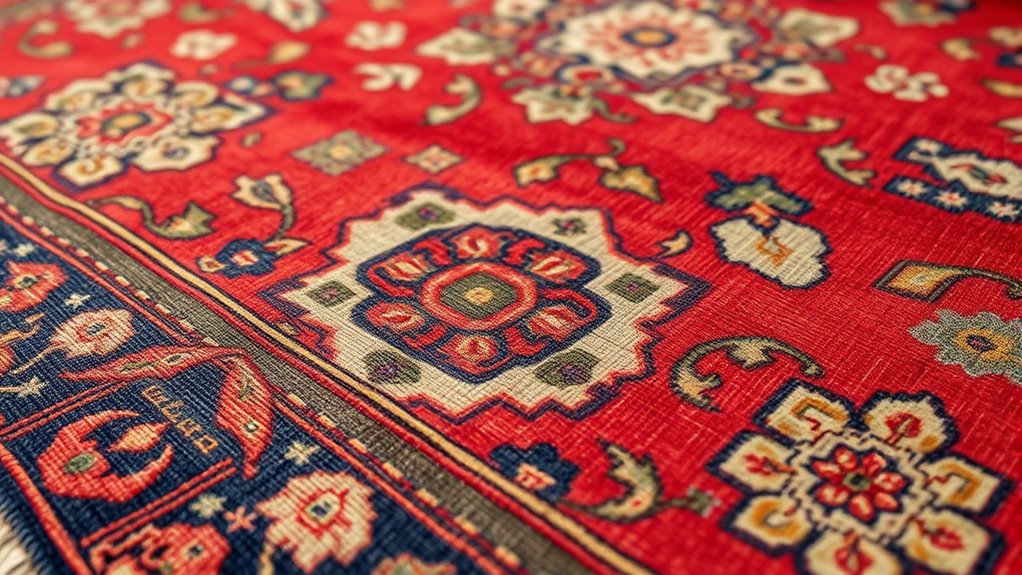

To grade antique rug condition, assess its visual vibrancy, surface wear, and signs of fading or discoloration, noting if colors have dulled or bled. Check the structural integrity by inspecting pile density, fringes, and repairs. Evaluate any restoration work for skill and authenticity, noting if repairs are discreet or obvious. Consider dye quality, construction style, and overall craftsmanship, as these influence value. Keep in mind, understanding these details helps determine a rug’s true condition and worth—more insights await as you continue.

Get cleaning gear delivered free with Prime
- Fast, free delivery on millions of items
- Prime Video, Amazon Music and more included
- Member-only deals all year
Key Takeaways
- Evaluate color vibrancy, fading, and uniformity to determine exposure and overall aesthetic condition.
- Inspect pile, fringes, and knots for wear, damage, or repairs affecting structural integrity.
- Identify signs of restoration, reweaving, or backing that influence authenticity and value.
- Assess dye consistency and construction techniques typical of regional styles for accurate grading.
- Consider the quality and extent of repairs, as they impact the rug’s collectible value and appraisal.
Antique Rug Condition Assessment Checklist
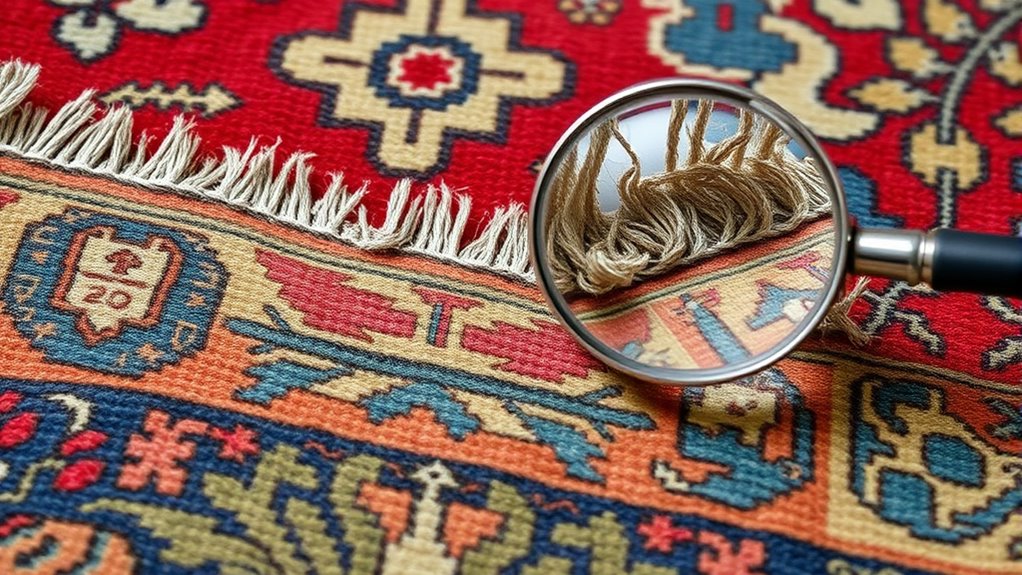
When evaluating the condition of an antique rug, it’s vital to have a clear checklist to guide your assessment. This helps you identify the extent of wear, damages, and restoration needs, ensuring you make an informed decision whether you’re purchasing or appraising. One of the first things to check is the overall appearance—look for fading, discoloration, and any areas where the colors have shifted or dulled over time. These visual cues can indicate exposure to sunlight or improper cleaning, impacting both the rug’s aesthetic and value.
Next, examine the pile height and density. A dense, plush pile generally signifies a well-maintained rug, while areas where the pile is worn down or thinning suggest extensive use or neglect. Pay close attention to the fringes; loose, frayed, or missing fringes can sometimes be repaired through restoration techniques, but they also reveal how well the rug has been cared for over the years. Check for stains, mold, or insect damage, as these issues can compromise the integrity of the rug and often require specialized restoration techniques to address.
Inspect the backing for any signs of reinforcement or repairing. Sometimes, a rug might have been re-backed to stabilize weakened areas, and understanding these repairs is vital for accurate grading. If you notice color bleeding or uneven dye penetration, it could point to inconsistent dyeing processes or over-cleaning, which may necessitate particular restoration methods to restore vibrancy. Additionally, understanding the contrast ratio of the rug’s dyes can help evaluate the vibrancy and overall visual appeal.
You should also assess the condition of the knots and weaving. Loose or missing knots can weaken the rug structurally and diminish its value, but in some cases, skilled artisans can re-knot or reinforce affected areas. When considering restoration techniques, be aware that some repairs can be discreet, preserving the rug’s authenticity, while others might be more obvious and impact the overall grading. Furthermore, consulting with experienced conservation professionals can ensure that any repairs align with the rug’s historical significance and original craftsmanship. Additionally, understanding the regional origin of the rug can provide insight into its typical construction and dyeing techniques, which can influence grading and valuation. Researching the latest preservation methods can also help determine the most suitable restoration approach for maintaining the rug’s integrity.
Pricing considerations are directly tied to these factors. The extent and quality of any restoration work influence the rug’s value; professionally restored pieces can still carry high worth if repairs are skillfully executed and minimally invasive. Conversely, extensive damage or poorly done repairs can reduce the rug’s desirability and cash value. Always ask for detailed information about any restoration techniques used, and consider how these repairs might affect future appraisal or resale.
Frequently Asked Questions
How Does Age Influence Antique Rug Grading?
Age substantially impacts antique rug grading because it enhances vintage significance and indicates historical value. As you evaluate a rug, you’ll notice that older pieces often have more wear, which can add character or reduce condition scores. The age impact helps determine authenticity and rarity, making older rugs more desirable. You should consider how age influences grading to appreciate the rug’s true worth and historical context.
What Are the Most Common Repair Types in Antique Rugs?
You might think repairs diminish a rug’s value, but they’re often essential. Common repair types include fringe restoration, which preserves the rug’s look and integrity, and fixing areas with dye fading to restore vibrancy. Skilled artisans carefully perform these repairs, helping your antique rug maintain its beauty and value. Don’t shy away from repairs—they’re a proof of the rug’s history and your dedication to preserving its charm.
How Can I Prevent Further Deterioration of My Antique Rug?
To prevent further deterioration of your antique rug, you should keep it away from direct sunlight, moisture, and pests. Regularly vacuum gently to remove dirt, and avoid heavy foot traffic on fragile areas. Protect its vintage dyeing from fading by using UV-filtering glass if displayed. Maintaining a high knot density guarantees durability, while professional cleaning and proper storage help preserve its condition for years to come.
Is Expert Appraisal Necessary for Accurate Grading?
You might wonder if an expert appraiser is necessary for accurate grading. While you can get a general idea yourself, an expert appraiser knows grading standards inside out, ensuring precise assessment. They can identify subtle details and authenticities that impact value. Relying on their expertise helps you make informed decisions, especially when buying or selling. Ultimately, an expert appraiser’s insight guarantees your antique rug is accurately graded and properly valued.
What Are the Best Storage Practices for Preserving Rug Condition?
You should focus on careful handling and climate control to safeguard your rug’s condition. Always lift and move it gently to avoid damage, and avoid placing it in direct sunlight or damp areas. Store the rug in a cool, dry space with stable humidity levels. Using a breathable cover can also protect it from dust and pests. Regularly inspect your rug to catch any issues early and ensure long-term preservation.
Conclusion
By mastering this checklist, you’ll turn the intimidating task of evaluating antique rugs into a confident dance. Think of each detail as a brushstroke in a masterpiece—small, but essential to the whole picture. The better you recognize the hidden stories woven into every fiber, the more your collection becomes a vibrant tapestry of history and artistry. So, trust your eye, stay curious, and let your passion illuminate the true beauty beneath the surface.
Columbus Day / Indigenous Peoples' Day Picks
long weekend sales
As an affiliate, we earn on qualifying purchases.