
TL;DR

Get cleaning gear delivered free with Prime
- Fast, free delivery on millions of items
- Prime Video, Amazon Music and more included
- Member-only deals all year
A House Beautiful report quotes New York City certified home pest inspector Diana Ludwiczak recommending a homemade fruit fly trap made with apple cider vinegar and dish soap. She also advises removing food and moisture sources, while the report notes that trap results and the vinegar produce-rinse suggestion are not independently tested in the article.
New York City certified home pest inspector Diana Ludwiczak recommends a small container of apple cider vinegar and a few drops of dish soap as a homemade fruit fly trap, according to a House Beautiful report. The advice matters to households dealing with flies around produce, sinks or rubbish because it pairs a low-cost trapping method with steps to remove the food and damp areas that can sustain an infestation.
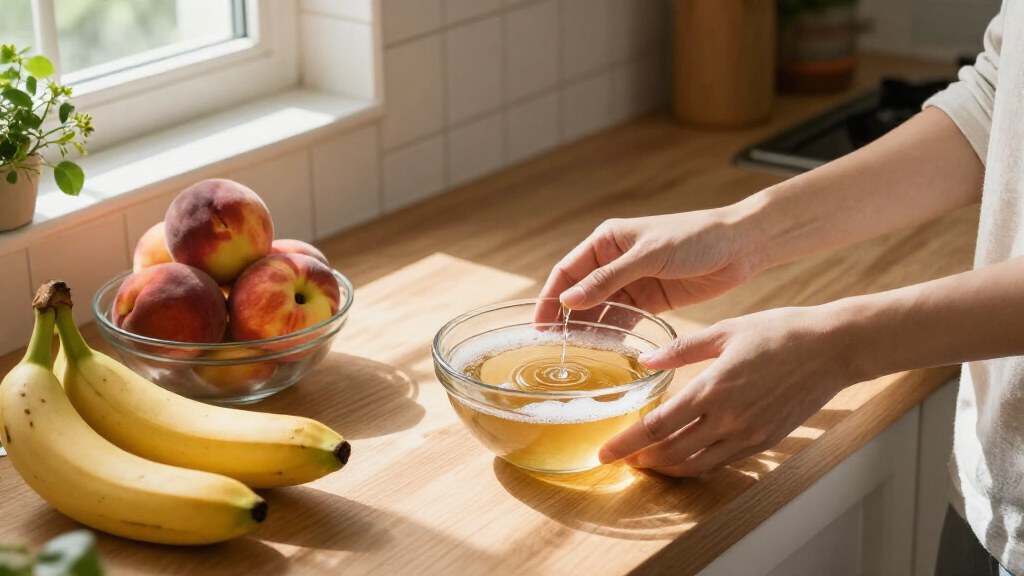
Ludwiczak’s suggested trap uses a jar or cup filled with apple cider vinegar and a few drops of dish soap. Cover the opening tightly with plastic wrap, poke several holes in it and place the container near where the flies are gathering. The report says the vinegar’s smell draws the flies into the container; it does not provide a controlled test or a measured success rate for the method.
House Beautiful says readers should replace the liquid daily and continue until the flies have been caught. Ludwiczak described it as her personal preferred tip, saying she uses it each summer. That is an attributed recommendation, not evidence in the report that the trap will work equally well in every home or eliminate the source of an infestation.
The report also advises first locating and removing what attracts the flies: overripe produce, food spills, fermented drinks, uncovered rubbish or compost, and damp areas such as sink drains and garbage disposals. Ludwiczak recommends wiping counters, sweeping or vacuuming, storing produce in the refrigerator and keeping bins sealed. She also advises drying standing water and repairing leaks, while window and door screens can help limit insects entering from outside.
Why Trapping Needs Source Removal
A homemade trap may catch adult flies, but the report’s advice places sanitation and source control alongside trapping. Removing exposed food and cleaning damp or residue-filled areas addresses the conditions that attract flies, rather than relying only on catching those already visible. That distinction is useful for readers: if a trap collects flies but the underlying food or breeding source remains, the nuisance may continue.
The report cites Orkin for the claim that female fruit flies can lay about 500 eggs and that eggs may hatch in 24–30 hours after being deposited. Those figures are attributed to Orkin in the article; the supplied material does not explain the conditions or species to which they apply. They nevertheless help explain why the report recommends acting promptly and keeping up cleaning and trap replacement rather than treating one catch as the end of the problem.
Products Worth Considering

Ring Alarm 8-Piece Kit (2nd Gen) Home Security System

Bose TV Speaker Compact Soundbar with Bluetooth and HDMI-ARC, Black

Dyson Cyclone V10 Origin Cordless Vacuum
As an affiliate, we earn on qualifying purchases.
Where Fruit Flies Find Food
The report describes fruit flies as drawn to ripe or rotting produce and fermented items such as beer, wine and liquor. They may gather around kitchen surfaces, rubbish, compost or sinks. Dark, damp places—including drains, garbage disposals and mop buckets—are also identified as possible breeding areas, which is why the suggested response includes cleaning and drying these spots.
Ludwiczak recommends washing new produce and storing fruits and vegetables in the refrigerator to reduce exposure. She also suggests spraying produce with a mixture of about two parts water to one part vinegar, then rinsing it with water. The report presents this as her advice for keeping produce fresher and helping deter flies; it does not provide evidence that the mixture has been independently tested for that purpose. Readers should follow applicable produce-handling guidance and wash food before eating.
“Females are able to lay about 500 eggs, and the eggs will hatch in as little as 24–30 hours after being deposited by the female.”
— Orkin, as cited by House Beautiful
Limits of the Trap Advice
The supplied report does not name a study comparing this trap with other methods, give a measured catch rate or specify how quickly an infestation should clear. Ludwiczak’s description of the trap as her “number one tip” is a personal recommendation attributed to her, not a guarantee. The article also does not establish whether the vinegar-and-water produce spray prevents fruit flies or keeps produce fresh under different storage conditions.
It may also be difficult for a household to identify the source when flies are breeding in a drain, disposal or another hidden damp area. The report recommends cleaning such locations but does not give a detailed drain-treatment procedure or discuss when a pest-control professional may be needed. It does not provide a date for the advice in the supplied source material.
Steps to Take in the Kitchen
The report’s recommended approach is to set the vinegar trap near the flies, change its contents each day and keep cleaning while monitoring whether the number of flies falls. At the same time, remove overripe produce, wipe up spills, empty rubbish regularly, clean the sink area and dry standing water. Store produce in the refrigerator where appropriate, and check that bins and compost containers are covered.
If flies persist, the next practical step is to look again for a food or moisture source that may have been missed, including drains, garbage disposals, leaks or mop buckets. The source report gives no specific threshold for calling a professional or timeline for resolving a persistent infestation, so those details remain dependent on the household’s circumstances.
Key Questions
What ingredients does the recommended fruit fly trap use?
Apple cider vinegar and a few drops of dish soap are the ingredients recommended by pest inspector Diana Ludwiczak in the House Beautiful report. The container is covered with plastic wrap with several holes poked in it.
Where should I put the trap?
Place it near the area where fruit flies are gathering, such as close to produce or a sink. The report does not specify an exact distance or placement height.
How often should I replace the trap liquid?
The report advises changing the liquid daily and continuing until the flies have been caught. It does not provide a guaranteed number of days.
What should I clean to help keep fruit flies from returning?
Remove overripe food and spills, clean counters and sink areas, empty rubbish regularly, and check for standing water or damp breeding spots such as drains and garbage disposals. Repair leaks and keep food and bins covered.
Does the report prove that vinegar spray prevents fruit flies?
No. It attributes a water-and-vinegar produce spray suggestion to Ludwiczak but provides no independent test results showing that the spray prevents flies or extends produce freshness.
Source: housebeautiful.com