To tell if a brand is truly eco-luxury or just greenwashing in five minutes, start by checking for credible certifications like Fair Trade, GOTS, or FSC. Ask about their sourcing, transparency, and sustainability practices. Look for specific information rather than vague claims like “eco-friendly” or “natural.” Watch out for fake labels or misleading visuals. If you want to learn more about spotting genuine eco-luxury, keep exploring these key signs and questions.
Key Takeaways
- Look for clear, reputable eco-certifications like Fair Trade, GOTS, or FSC on products or labels.
- Verify transparency by reviewing sourcing details, supply chain practices, and environmental impact information.
- Ask specific questions about carbon neutrality, emission reductions, and responsible raw material procurement.
- Be cautious of vague claims like “eco-friendly” or “green” without supporting evidence or third-party verification.
- Check for genuine sustainability commitments, such as ethical labor practices and sustainable sourcing, rather than superficial green symbols.
What Is Eco-Luxury, and How Is It Different From Greenwashing?

Have you ever wondered what sets eco-luxury apart from greenwashing? Eco-luxury combines high-end craftsmanship with genuine commitment to sustainability. It prioritizes sustainable sourcing, ensuring materials are responsibly harvested and eco-friendly. This means the brand’s supply chain is transparent and minimizes environmental impact. Ethical branding is also key—eco-luxury brands genuinely stand for social responsibility, fair labor practices, and environmental stewardship. Unlike greenwashing, which uses vague claims or superficial eco-friendly language, authentic eco-luxury brands integrate these values into their core identity. They don’t just market sustainability; they practice it. This commitment creates products that are both luxurious and environmentally conscious, giving you confidence that your purchase supports genuine positive change. Additionally, color accuracy in product presentation can help highlight a brand’s dedication to authenticity and quality.
How Can You Spot Genuine Eco-Luxury Brands in 5 Minutes?
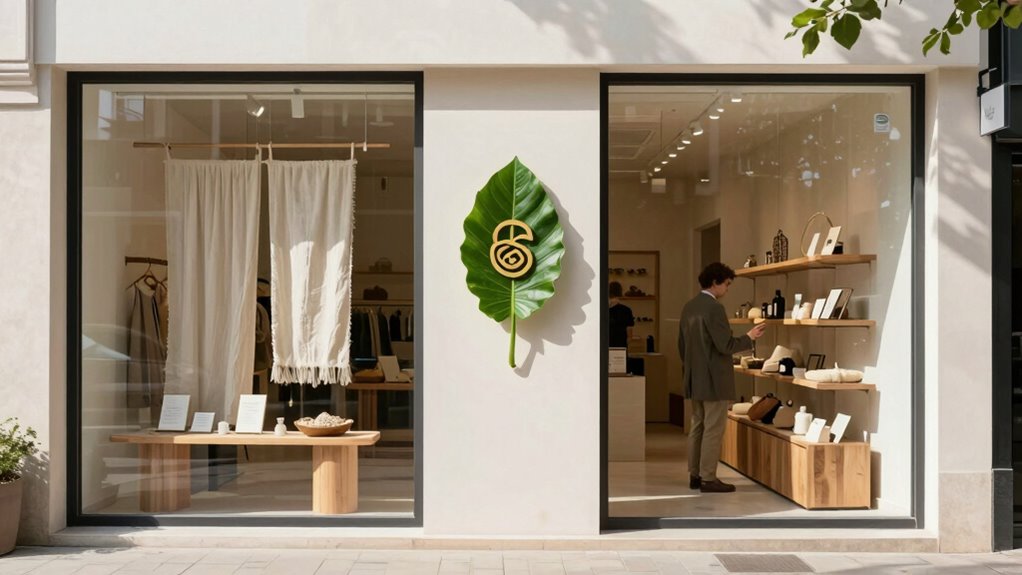
To quickly identify genuine eco-luxury brands, start by examining their transparency and certifications. Look for clear information about their sustainable certifications, which verify eco-friendly practices and ethical standards. Brands that openly share details about their transparent sourcing—where and how materials are obtained—show a real commitment to sustainability. Check their website or product labels for certification logos from reputable organizations like Fair Trade, GOTS, or FSC. Avoid brands that lack transparency or only make vague eco-claims. Genuine eco-luxury brands prioritize honesty and provide detailed insights into their supply chains, ensuring you’re supporting truly sustainable practices. In just a few minutes, these signs can help you distinguish authentic eco-luxury from greenwashing. Additionally, examining their Free Floating backyard transformation practices can offer clues about their overall environmental ethos.
What Quick Questions Can You Ask to Verify Eco-Claims?

Knowing how to spot genuine eco-luxury brands starts with their transparency, but asking the right questions can make verification even quicker. Start by inquiring about their sustainable sourcing practices—how do they ensure raw materials are responsibly obtained? Ask if they’ve achieved carbon neutrality and what steps they’ve taken to offset emissions. Genuine brands should readily provide details about their supply chain, certifications, and carbon reduction efforts. Avoid vague claims like “eco-friendly” without specifics. Instead, seek concrete evidence, such as third-party audits or sustainability reports. If the brand hesitates or offers generic answers, it’s a red flag. These quick questions help you cut through greenwashing and identify brands truly committed to eco-luxury principles. Additionally, understanding their crisping techniques and product roundups can reveal their commitment to eco-conscious innovation.
What Are Common Greenwashing Tricks to Watch Out For?
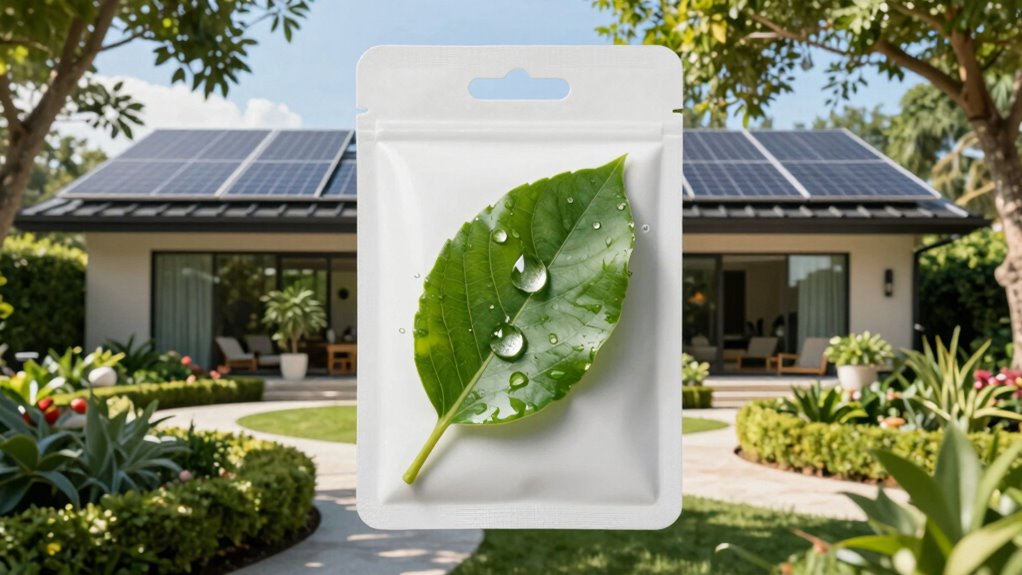
Ever wonder how some brands make their products seem more eco-friendly than they really are? They often use greenwashing tricks like misleading visuals or fake sustainable labels. You might see images of lush forests or clear waters on packaging, but those visuals can be misleading, implying eco-friendliness without proof. Watch out for vague claims like “eco-friendly” or “green,” which lack specifics or certifications. Some brands display sustainable labels that look official but aren’t backed by credible organizations. Here’s a quick visualization:
| Visuals | Labels | Claims |
|---|---|---|
| Lush forests | Fake eco seals | Vague “green” language |
| Clear waters | Unverified certifications | Overstated benefits |
| Earth images | Pseudo-sustainable symbols | General sustainability assertions |
| Green products | No proof of sourcing | Environmental claims without evidence |
| Nature scenes | Misleading icons | Exaggerated eco benefits |
Stay alert to spot these common greenwashing tricks before getting fooled. Recognizing visual symbolism and understanding its purpose can help you better interpret marketing messages and avoid deception.
How to Make Smarter Eco-Luxury Choices in Just 5 Minutes
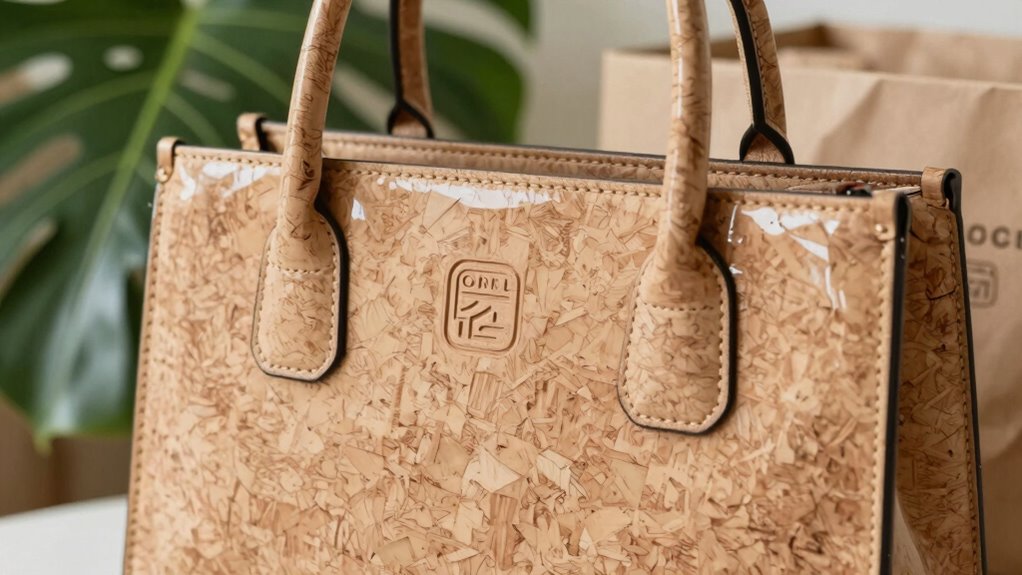
Making smarter eco-luxury choices doesn’t have to take hours; with just five minutes of quick research, you can considerably reduce your environmental impact. Start by checking if the product uses sustainable materials, like organic cotton or recycled metals, which lessen environmental harm. Next, verify ethical sourcing practices—look for brands that ensure fair wages and safe working conditions. Read labels carefully or visit the brand’s website to confirm their commitments. Avoid vague claims like “green” or “natural” without proof. If the company provides transparency about their supply chain and material origins, it’s a good sign. Additionally, consider whether the product integrates sustainable textile care practices, such as low-impact dyes or pollution reduction methods. These small steps help you distinguish truly eco-luxury items from greenwashing, empowering you to make stylish choices that align with your values in just minutes.
Frequently Asked Questions
How Reliable Are Eco-Label Certifications in Identifying Genuine Eco-Luxury Brands?
Eco-label certifications are fairly reliable when evaluating genuine eco-luxury brands because they follow strict Certification standards focused on reducing environmental impact. You can trust these labels as they verify claims about sustainable sourcing, ethical practices, and eco-friendly materials. However, always check the certifying organization’s reputation and transparency, since some labels may be less rigorous. Ultimately, well-established certifications give you a good indication of a brand’s authentic commitment to sustainability.
Can Price Point Reliably Indicate a Brand’s Sustainability Commitments?
Price point alone can’t reliably indicate a brand’s sustainability commitments. Pricing assumptions often stem from luxury perceptions, which don’t necessarily reflect eco-friendly practices. You should look beyond the cost and research the company’s materials, supply chain, and certifications. A higher price might suggest quality, but it doesn’t guarantee genuine eco-luxury. Always verify claims through transparent information to truly understand a brand’s sustainability efforts.
Are Celebrity Endorsements Trustworthy Indicators of Eco-Luxury Authenticity?
Celebrity endorsements can be misleading, as their influence shapes public perception more than actual sustainability efforts. While a famous face might boost a brand’s image, it doesn’t guarantee genuine eco-luxury practices. Don’t be fooled by the glamour—look beyond the star power. Instead, investigate transparency, certifications, and company initiatives. Remember, true eco-luxury stands on real commitments, not just celebrity influence.
How Do Supply Chain Transparency Efforts Impact Eco-Luxury Brand Credibility?
Supply chain transparency efforts markedly boost an eco-luxury brand’s credibility by revealing how they manage supply chain complexity. When you see brands actively implementing transparency initiatives, it shows they’re committed to ethical sourcing and environmental responsibility. These efforts allow you to verify claims, ensuring the brand isn’t greenwashing. By prioritizing transparency, brands build trust and demonstrate genuine dedication to sustainability, making it easier for you to distinguish authentic eco-luxury from superficial claims.
What Role Do Customer Reviews Play in Verifying Eco-Claims Quickly?
Think of customer reviews as your lighthouse guiding you through foggy waters. They play a vital role in verifying eco-claims quickly by providing real-time feedback through review analysis. Customer feedback highlights genuine sustainability efforts or exposes greenwashing. Trust honest reviews from eco-conscious buyers to illuminate the truth, helping you distinguish between authentic eco-luxury and superficial green promises, so you can make well-informed choices in minutes.
Conclusion
Now that you know the tricks and truths, imagine your next eco-luxury purchase—could it be genuine or just greenwashed? With these quick tips, you hold the power to see through the smoke and mirrors. Before you click ‘buy,’ pause and ask yourself: are you supporting real change or just green illusions? Trust your instincts, stay vigilant, and turn every eco-luxury choice into a step toward a brighter, greener future. The choice is yours—what will you uncover next?