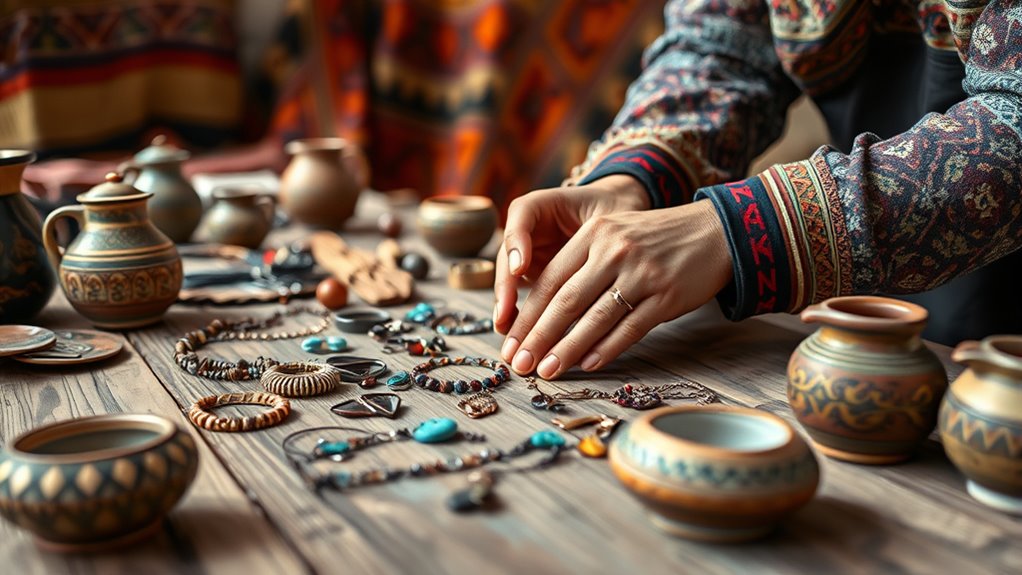

To practice ethical collecting, you should respect and understand the cultural significance of artifacts, avoiding their use as mere decorations. Support artisans fairly by purchasing from reputable sources that ensure fair wages and transparent provenance. Research the origins of items and choose those obtained through ethical channels. By doing so, you honor the cultures behind these objects and prevent exploitation. To learn how to build a respectful, meaningful collection, explore the key principles of ethical collecting and cultural sensitivity.
Open a free Amazon Business account
Business pricing, bulk buying and tax-exempt orders.
As an affiliate, we earn on qualifying purchases.
Key Takeaways
- Research the cultural significance and origins of artifacts before purchasing to ensure respectful appreciation.
- Purchase from reputable, fair trade sources that support artisans and guarantee ethical sourcing.
- Ask about provenance and verify that items were obtained legally and responsibly.
- Avoid acquiring items that may perpetuate stereotypes or misrepresentations of cultures.
- Support organizations committed to ethical practices and prioritize transparency and fair compensation for artisans.
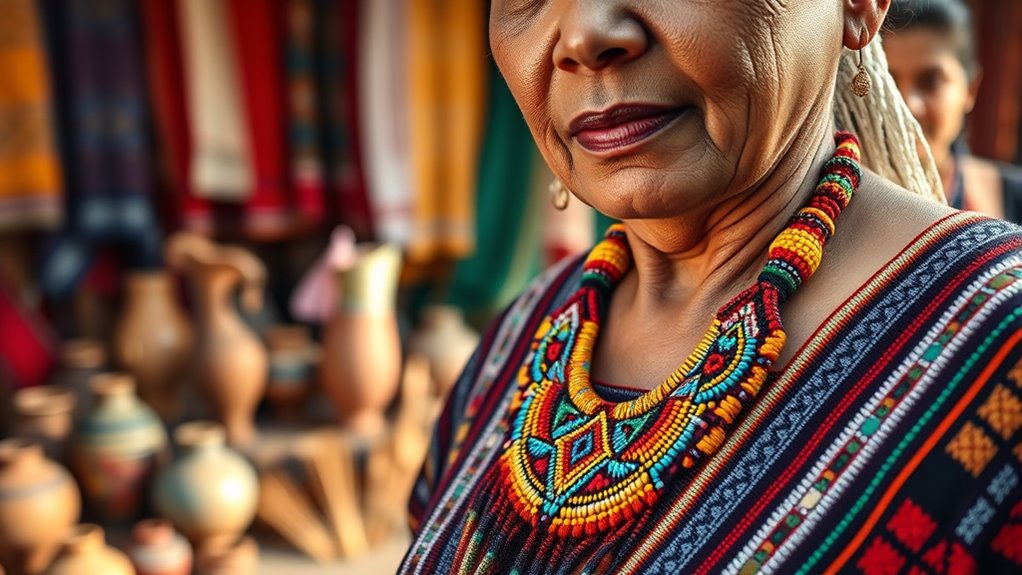
Have you ever wondered if your collecting habits align with ethical standards? It’s a valid question, especially in a world where cultural sensitivity is increasingly important. When you acquire items from different cultures, it’s essential to contemplate whether your actions respect the origins and significance of those objects. Cultural sensitivity involves understanding and honoring the traditions, symbols, and histories embedded in art and artifacts. Instead of viewing these items purely as decorative or trendy, take the time to learn about their cultural context. This awareness helps you avoid unintentionally perpetuating stereotypes or misrepresentations. Additionally, practicing fair trade practices ensures that your purchases benefit the artisans and communities who create these works. Fair trade means paying artisans a fair price and supporting sustainable livelihoods, rather than exploiting cheap labor or cheapening the value of their craftsmanship. Supporting ethical sourcing options can further ensure your collection aligns with these principles. To align your collecting habits with ethical standards, start by researching the provenance of the items you’re interested in. Ask questions about where they come from, who made them, and how they were acquired. If a piece was obtained through a reputable source that adheres to fair trade principles, you can feel more confident that it was produced ethically. Many organizations and shops now specialize in ethically sourced artifacts, making it easier to support artisans directly. Opting for items with certifications or clear documentation of their origins shows that you prioritize transparency and accountability. It’s also valuable to educate yourself about the cultural significance of objects to ensure respectful appreciation. Think about whether the item you’re considering truly belongs in your collection or if it might be better appreciated in its original community or context. Respect goes a long way in ethical collecting—think of your collection as a way to celebrate and honor the cultures, not exploit or commodify them.

Stone Artifacts of Texas Indians
As an affiliate, we earn on qualifying purchases.
As an affiliate, we earn on qualifying purchases.
Frequently Asked Questions
How Can I Verify the Authenticity of Cultural Artifacts?
To verify the authenticity of cultural artifacts, you should examine authenticity markers like craftsmanship details, materials, and signs of age. Always request provenance documentation that traces the item’s history and ownership. Research the artifact’s origin, consult experts or reputable appraisers, and compare it with verified examples. By doing this, you guarantee the artifact is genuine and ethically acquired, respecting its cultural significance and supporting responsible collecting practices.
What Are the Legal Considerations in Collecting Cultural Items?
You must prioritize legal compliance when collecting cultural items, ensuring you understand ownership rights and avoid illegal acquisitions. While it’s tempting to seek unique treasures, remember that laws protect cultural heritage, and violating them can lead to severe penalties. Respect ownership rights by verifying provenance and obtaining proper permits. Balancing passion with responsibility safeguards both your collection and the cultural significance it holds, making your collecting efforts ethical and lawful.
How Do I Identify Ethically Sourced Artwork?
To identify ethically sourced artwork, start by researching provenance using techniques like examining documentation, appraisals, and seller transparency. Avoid marketplaces to avoid, which often lack proper oversight or sell questionable items. Look for certified provenance, clear origins, and support artisans directly. Trust reputable galleries or organizations committed to ethical standards. If unsure, ask questions about the piece’s history and provenance to ensure it’s sourced responsibly and respects cultural heritage.
Can I Display Indigenous Art Without Cultural Insensitivity?
Yes, you can display indigenous art respectfully by practicing cultural appreciation. Make certain you understand its significance and context before showing it. Display the artwork in a way that honors the origin and avoids misrepresentation. You might include information about the artist and culture, and avoid commercializing or fetishizing it. By doing so, you promote respectful display and celebrate the art’s cultural importance without causing insensitivity.
What Resources Are Available for Learning About Cultural Significance?
Did you know that understanding cultural context can deepen your appreciation for indigenous art? To learn about its historical significance, explore resources like museum websites, academic journals, and books dedicated to specific cultures. Many organizations also offer workshops and online courses. Engaging with these resources helps you appreciate the art’s true meaning and guarantees respectful, informed display practices, fostering a deeper connection to the culture behind each piece.
Conclusion
By choosing to ethically collect, you’re not just acquiring beautiful pieces—you’re honoring cultures and supporting artisans worldwide. Imagine your collection as a bridge, connecting your world to theirs with respect and integrity. Don’t let cultural appropriation fade into silence; instead, let your actions speak volumes. Every mindful purchase becomes a powerful act of appreciation. So, will you be a guardian of authenticity or let cultural richness be lost in the shadows? The choice is yours.
Grilling season Picks
grills
As an affiliate, we earn on qualifying purchases.