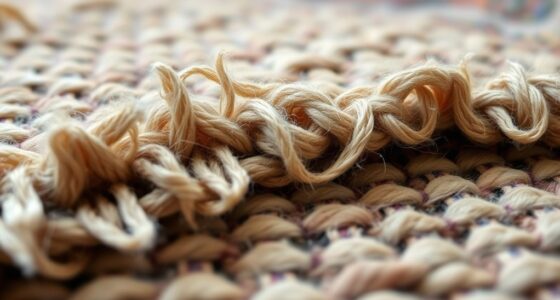
A rug becomes a masterpiece when it combines exceptional craftsmanship, intricate weaving techniques, and high-quality, often rare, materials. Its cultural significance, historical provenance, and connection to a specific region or era add to its prestige. Collectors value pieces that tell a story, demonstrate expert skill, and stand the test of time. If you want to uncover what truly sets a masterpiece apart, you’ll find compelling insights ahead.

Get cleaning gear delivered free — and shop member deals
- Fast, free delivery on millions of items
- Access to Prime Big Deal Days deals on October 6–7
- Prime Video, Amazon Music and more included
Key Takeaways
- Exceptional craftsmanship, intricate weaving techniques, and high knot density demonstrate skill and elevate a rug’s status.
- Use of rare, high-quality materials and natural dyes enhances authenticity and durability.
- Provenance from renowned regions or periods adds cultural and historical significance.
- A true masterpiece reflects strong cultural heritage, storytelling, and regional identity.
- Overall, a combination of artistic mastery, historical importance, and visual impact appeals to collectors.

Are you wondering what makes a rug worth collecting? The answer often lies in its craftsmanship and story. Masterpieces are not just about beautiful patterns; they embody exceptional weaving techniques and carry deep historical significance. When evaluating a rug, these elements help distinguish a true masterpiece from a common piece. Weaving techniques are fundamental. The more intricate and refined the craftsmanship, the more valuable the rug. For example, hand-knotted rugs with fine knots per square inch demonstrate a high level of skill and patience. Techniques such as symmetrical or asymmetrical knotting, complex dyeing methods, or the use of rare materials elevate a rug’s status. These details reveal the artisan’s mastery and dedication, making the piece stand out in a collection. The precision and complexity of weaving also influence durability, ensuring the rug’s longevity and preserving its beauty over generations. Additionally, the choice of materials plays a crucial role in the rug’s quality and authenticity.
Beyond craftsmanship, the historical significance of a rug adds to its allure. Rugs that originate from renowned regions or specific periods often carry stories that resonate with collectors. For instance, ancient Persian or Caucasian rugs aren’t just decorative; they embody cultural traditions, regional identities, and historical events. Identifying the origins of a rug can uncover its importance, making it more than just a home décor item. Some rugs may have been created during significant eras, reflecting the artistic styles and societal values of their time. Others might be linked to notable weavers or workshops, adding an extra layer of provenance and prestige. When you understand a rug’s historical context, you appreciate its place within a broader cultural narrative. This connection enhances its desirability and value, especially when backed by documentation or expert appraisal.
In essence, a true masterpiece combines superior weaving techniques with compelling historical significance. It’s about more than just aesthetic appeal; it’s about the story, the craftsmanship, and the cultural heritage embedded in every fiber. As a collector, you’re looking for pieces that tell a story, demonstrate expert craftsmanship, and stand the test of time. These qualities ensure that your collection isn’t just visually impressive but also rich with history and artistry. When you find a rug that meets these criteria, you’re not simply acquiring a decorative item—you’re investing in a piece of history, a work of art that embodies the skill and culture of its creators. That’s what truly makes a rug a masterpiece worth cherishing.
As an affiliate, we earn on qualifying purchases.
Frequently Asked Questions
How Do Provenance and History Influence a Rug’s Classification as a Masterpiece?
Provenance and history greatly influence a rug’s classification as a masterpiece by highlighting its artistic integrity and historical context. You see, a rug with a well-documented background demonstrates authenticity and rare craftsmanship, elevating its value. Its story adds depth, connecting it to cultural moments or renowned artisans. This rich history not only validates its status but also enhances its allure, making it a treasured piece for collectors who appreciate both artistry and heritage.
Can Modern Rugs Be Considered Masterpieces or Only Antique Pieces?
Like a fresh painting on a gallery wall, modern rugs can be masterpieces too. Contemporary craftsmanship and modern artistry push boundaries, creating pieces that rival antique works. If you see a rug with innovative design, perfect execution, and cultural significance, it’s a masterpiece regardless of age. Just as a new symphony can move you deeply, a contemporary rug can embody timeless beauty, proving that mastery isn’t limited by history alone.
What Role Does Craftsmanship Quality Play in Defining a Rug as a Masterpiece?
Craftsmanship quality is essential in defining a rug as a masterpiece. You’ll notice fiber durability ensures the rug’s longevity, reflecting expert material selection. Dye consistency highlights meticulous craftsmanship, creating vibrant, harmonious patterns that stand out. When these elements come together with intricate weaving and attention to detail, your rug elevates from ordinary to extraordinary, showcasing the skill and artistry that collectors deeply value in a true masterpiece.
Are Rare Color Palettes a Significant Factor in a Rug’s Value as a Masterpiece?
Rare color palettes definitely boost a rug’s value as a masterpiece, as you’ll notice their color uniqueness sets them apart. When combined with pattern complexity, these distinctive hues enhance the overall artistry and rarity, making the rug more desirable. As a collector, you recognize that the interplay of unusual colors and intricate designs elevates a rug’s status, turning it into a true masterpiece that captures attention and admiration.
How Do Cultural Significance and Symbolism Impact a Rug’s Collectible Status?
Think of a rug as the Mona Lisa of textiles; its cultural symbolism and artistic representation elevate it beyond mere decor. You see, when a rug embodies deep cultural significance, it resonates on a personal and historical level, making it highly collectible. Its symbolism tells stories and preserves traditions, which adds layers of meaning that collectors value immensely. This rich cultural context transforms a beautiful rug into a revered masterpiece, making it truly special.
Conclusion
Ultimately, a masterpiece rug is like a symphony woven in silk and wool, where every thread sings with purpose and passion. It’s a rare jewel that captures history, artistry, and soul within its intricate patterns. When you see a rug that whispers stories of craft and culture, you’re witnessing more than fabric—you’re embracing a timeless masterpiece. Trust your gaze and let your heart be the final judge in this exquisite dance of design.
Fall Picks
fall essentials
As an affiliate, we earn on qualifying purchases.