Investing in antique rugs offers enduring value, especially when you focus on authentic pieces with strong provenance and cultural significance. Market demand is rising for well-crafted, rare, and documented rugs from regions like Persia or Central Asia. Trends show collectors favor pieces that highlight craftsmanship and historical importance, which can appreciate over time. Proper restoration and maintaining provenance are key to maximizing value. Keep exploring to discover detailed tips on making these treasures a smart investment.
Key Takeaways
- Provenance and authentic origin verification significantly enhance an antique rug’s market value and long-term investment potential.
- Limited editions, rare regional designs, and high craftsmanship attract increased collector demand and appreciation over time.
- Proper restoration by experts preserves the rug’s cultural significance and aesthetic appeal, boosting resale value.
- Staying informed on current market trends, including auction results and dealer inventories, helps identify in-demand styles.
- Diversifying collections across different cultures, periods, and techniques reduces risk and maximizes investment stability.

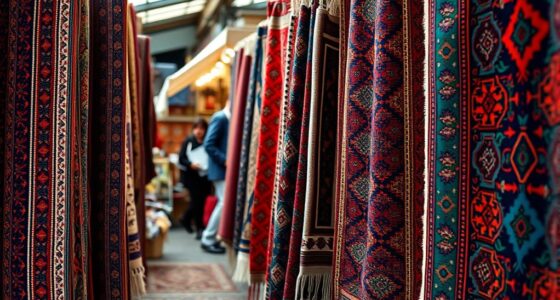
Investing in antique rugs can be a smart way to diversify your portfolio and enjoy timeless beauty. These textiles aren’t just decorative pieces; they hold deep cultural significance that adds to their value. Many antique rugs originate from specific regions or cultures, such as Persia, Turkey, or Central Asia, each with unique motifs and weaving techniques that tell a story. When you consider acquiring one, it’s essential to understand the cultural context behind the design. This knowledge helps you appreciate the rug’s historical importance and authenticity, factors that often influence market value. Authenticity is crucial in the antique rug market, so verifying provenance and origin can make a significant difference in your investment’s long-term worth.
Another vital aspect to consider is restoration techniques. Proper restoration can preserve or even enhance a rug’s value, but it must be done carefully and skillfully. Poor restoration can diminish a rug’s authenticity and appeal, so it’s wise to consult experts who specialize in antique textiles. Techniques such as reweaving, patching, or cleaning need to be performed with respect to the original craftsmanship. When done correctly, restoration can stabilize fragile dyes and fibers, ensuring the rug remains durable and visually appealing for decades. This process not only preserves the cultural significance embedded in the rug but also guarantees that its aesthetic appeal remains intact, which is appealing to collectors and investors alike.
Market trends reveal that antique rugs are increasingly sought after, especially pieces with well-documented provenance and clear cultural significance. As collectors become more knowledgeable, they value authenticity and craftsmanship more highly, which benefits you as an investor. Limited editions, rare regional designs, or rugs from notable periods tend to appreciate over time, especially if they’re carefully restored and maintained. Keeping an eye on auction results, dealer inventories, and exhibition shows can give you insight into what styles and origins are currently in demand. Building a collection that balances various cultures, periods, and weaving techniques can diversify your portfolio and increase the potential for appreciation. Additionally, understanding Kia Tuning concepts such as upgrades and modifications can inspire ideas for personalized preservation or display of your collection, blending aesthetic appeal with value.
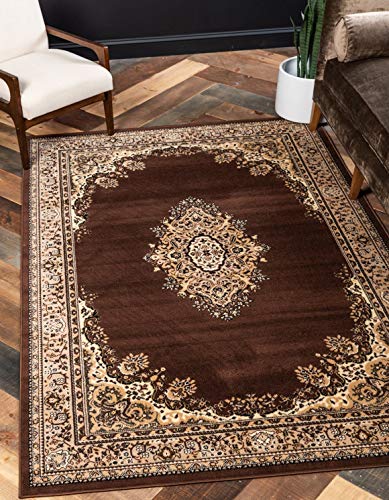
Unique Loom Reza Collection Traditional Persian Style Area Rug, 8 x 10 ft, Brown/Ivory
Pile: Polypropylene – Backing: Cotton – Weave: Machine Made (Power-Loomed) – Made in: Turkey
As an affiliate, we earn on qualifying purchases.
As an affiliate, we earn on qualifying purchases.
Frequently Asked Questions
How Do Antique Rug Prices Fluctuate During Economic Downturns?
During economic downturns, antique rug prices often decline due to market volatility, but their economic resilience can help stabilize value over time. You might see short-term price fluctuations, yet quality and rarity keep some rugs more resilient. If you’re investing, consider market conditions carefully, as downturns can affect liquidity. Staying informed about market trends enables you to make strategic decisions, potentially benefiting from long-term appreciation despite short-term volatility.
What Are the Most Valuable Antique Rug Regions Today?
You’ll find the most valuable antique rugs today from Persian, Turkish, and Caucasian regions, known for their exceptional craftsmanship. Did you know Persian rugs alone can fetch prices over $100,000? Their value depends on regional craftsmanship, rarity, and historical significance. Keep in mind, export regulations can influence availability and price. To invest wisely, research regional trends and stay aware of legal restrictions impacting antique rug trading.
How Can I Authenticate an Antique Rug’s Age and Origin?
You can authenticate an antique rug’s age and origin by examining its rug provenance and craftsmanship details. Look for specific weaving techniques, dyes, and motifs unique to certain regions and periods. Consult experts or appraisers for age verification, and request detailed provenance documentation. Comparing your rug to verified examples helps confirm authenticity, ensuring you understand its true origin and age before investing or displaying.
What Maintenance Is Required to Preserve Antique Rug Value?
Think of your antique rug as a cherished garden; it needs gentle care to thrive. Regular cleaning techniques like vacuuming with a soft brush and avoiding harsh chemicals help conserve its beauty. Store it in a cool, dry place, rolled rather than folded, to prevent creases. Periodic professional inspections ensure any damage is caught early. Proper maintenance keeps your rug vibrant, safeguarding its value for generations.
Are There Specific Colors or Patterns That Increase Investment Appeal?
You’ll find that antique rugs with rich, vibrant colors linked to strong color symbolism, like deep reds or blues, tend to attract more investment interest. Additionally, patterns that are rare or unique increase their appeal, signaling exclusivity and craftsmanship. Focus on rugs with distinctive, well-preserved patterns and meaningful color schemes, as these elements enhance both aesthetic value and investment potential, making them more desirable to collectors and investors alike.

Rusty Crow Rag Rug Book and Tool
Rusty Crow Rag Rug Book and Tool is easy to turn scraps into wonderful rugs
As an affiliate, we earn on qualifying purchases.
As an affiliate, we earn on qualifying purchases.
Conclusion
Investing in antique rugs can be rewarding, but it’s vital to understand market trends and authenticity. Some believe that antique rugs always appreciate in value, but recent data shows that demand fluctuates, making timing critical. Do your research, trust reputable appraisers, and stay informed about market shifts. With careful planning, your antique rug collection can become a valuable asset—proving that, when approached wisely, these timeless pieces truly hold lasting investment potential.

Loloi Amber Lewis Billie Collection, Tobacco & Rust 6'-0" x 9'-0" Area Rug – Antique & Distressed Accent Rugs for Living Room, Bedroom, Entryway & Hallway, No Shed High Traffic Area Home Decor Rug
Timeless Area Rug for Living Room and More: The Billie Collection area rugs capture the look of a…
As an affiliate, we earn on qualifying purchases.
As an affiliate, we earn on qualifying purchases.
antique rug provenance verification
As an affiliate, we earn on qualifying purchases.
As an affiliate, we earn on qualifying purchases.